

Battle over changes for matric results in South Africa


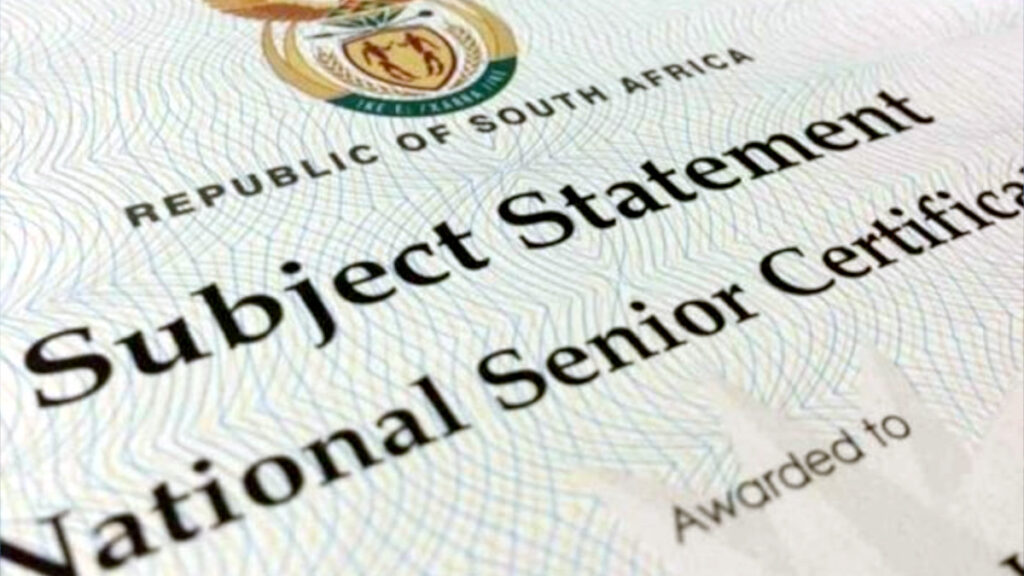
The Supreme Court of Appeal has granted the Information Regulator (IR) leave to appeal an earlier ruling that matric results can be published in newspapers across the country.
The decision follows months of legal battles between the IR and education advocacy groups, including AfriForum.
The issue started in 2022, when the Department of Education adjusted how matric results are announced in newspapers.
Before this, matric results were published in newspapers, with each learner’s full name next to their results.
This practice came under scrutiny from mental health and student rights groups, which believed the practice was detrimental to learners.
The department then removed full names from the announcements and replaced them with examination numbers, after which it planned to scrap the announcements altogether.
Groups, including AfriForum, challenged the decision to scrap newspaper announcements, which was made after the Protection of Personal Information Act (POPIA) came into effect.
In 2024, the IR said publishing results using examination numbers still contravened the POPI Act, and issued an enforcement notice.
The education department did not comply with the enforcement notice and chose to publish results using the examination numbers for that year—a decision which the court deemed correct.
The court ruled that the department could continue publishing matric results in the newspaper, using examination numbers to hide identities.
The regulator then requested leave to appeal this decision with the High Court, which was denied in June 2026.
However, this was short-lived, as the matter is now facing further litigation.
About more than matric results.

AfriForum’s head of cultural affairs, Alana Bailey, said the case is about more than matric results; it is about what can be published in the public interest.
“The IR neither realises the futility of this case, nor the risks that a ruling in its favour would entail,” she said.
“While the IR is playing power games, it is the future of information that must be disclosed in the public interest that is at stake.”
AfriForum has consistently argued against the IR on the issue of publishing matric results and believes that the ability to publish information denoted by codes is vital to many industries.
“In various fields, research depends on the use of information of individuals who can only be identified by numbers or codes,” it said.
“This is specifically done to protect their anonymity and privacy, just as is the case with matric results.”
“This is therefore a case with wide implications, as it deals with the challenge to find a balance between the right to privacy and public interest.”
If the IR’s argument against matric results publications is upheld, it could affect other industries which publish information using similar methods.
The regulator has previously argued that publishing personal information, which in this case is each matriculant’s results, is a breach of the POPI Act, even if examination numbers are used.
In its appeal request to the High Court, the IR said it still believed that judicial processes would help identify the obligations of groups regarding compliance with POPIA.
“The Regulator stands firm in its position that the importance of judicial processes may help illuminate certain aspects of POPIA,” it said.
This is particularly in relation to the obligations of responsible parties, such as the Department of Basic Education, in complying with the Regulator’s orders and in protecting personal information that they hold about data subjects.


















 Loading ...