

The municipality that paid just R2,780 of a R12 million monthly bill


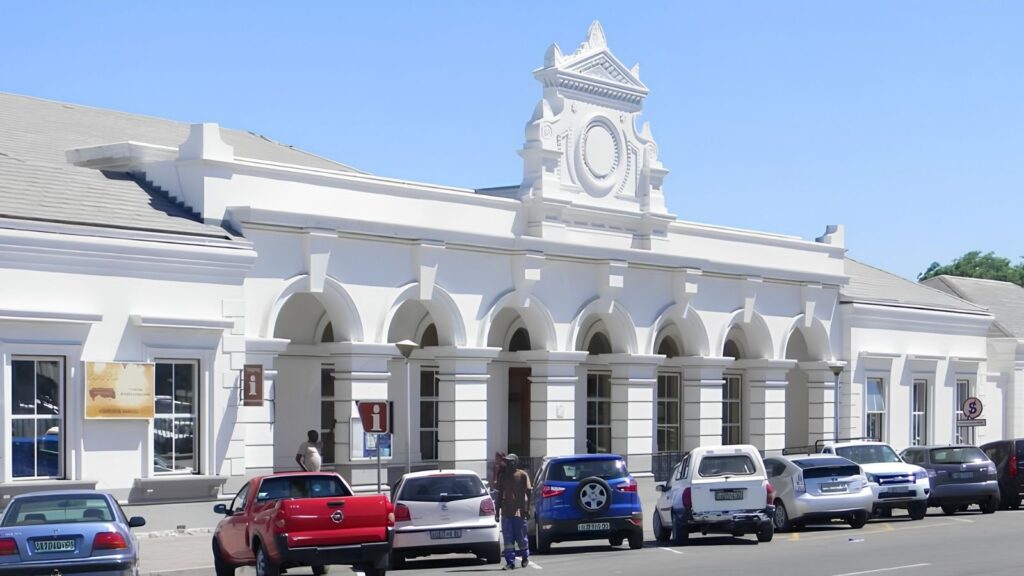
The Inxuba Yethemba Local Municipality in the Eastern Cape paid just R2,780.02 towards an Eskom bill of almost R12.8 million in one month.
This is just one example of the scale of the municipality’s financial problems and its failure to keep up with electricity payments.
The figures were revealed after DA Eastern Cape MPL Heinrich Müller questioned Cooperative Governance and Traditional Affairs MEC Zolile Williams about the municipality’s Eskom debt.
According to documents, Inxuba Yethemba’s Eskom debt had reached approximately R799.8 million by August 2025.
An Eskom presentation dated 10 October 2025 shows that the municipality was billed R111.1 million across six billing cycles between April and September 2025.
It paid only about R2 million during that period, meaning it settled less than 2% of the electricity billed. In one example, the municipality paid R2,780.02 toward a monthly Eskom bill of nearly R12.8 million.
The payments were also made despite an agreement intended to prevent the municipality’s debt from increasing further.
Under an April 2025 cooperation agreement, Inxuba Yethemba was required to pay its current Eskom account in full while contributing at least R500,000 a month towards its outstanding arrears.
The municipality’s failure to meet those obligations meant it continued to accumulate new debt while struggling to address its existing liabilities.
Eskom told the National Council of Provinces in August 2026 that Inxuba Yethemba’s overdue debt had reached approximately R943 million by the end of June 2026.
Eskom has also said that the municipality’s proposed monthly payment was not enough to cover its current electricity account.
The municipality had also not committed to implementing a Distribution Agency Agreement, which Eskom has promoted as a mechanism to improve electricity revenue collection and payment.
In May 2026, Eskom moved Inxuba Yethemba onto a bulk prepayment arrangement. Under this system, the municipality can only receive electricity corresponding to the amount it has paid for in advance.
Part of a bigger problem for Eskom
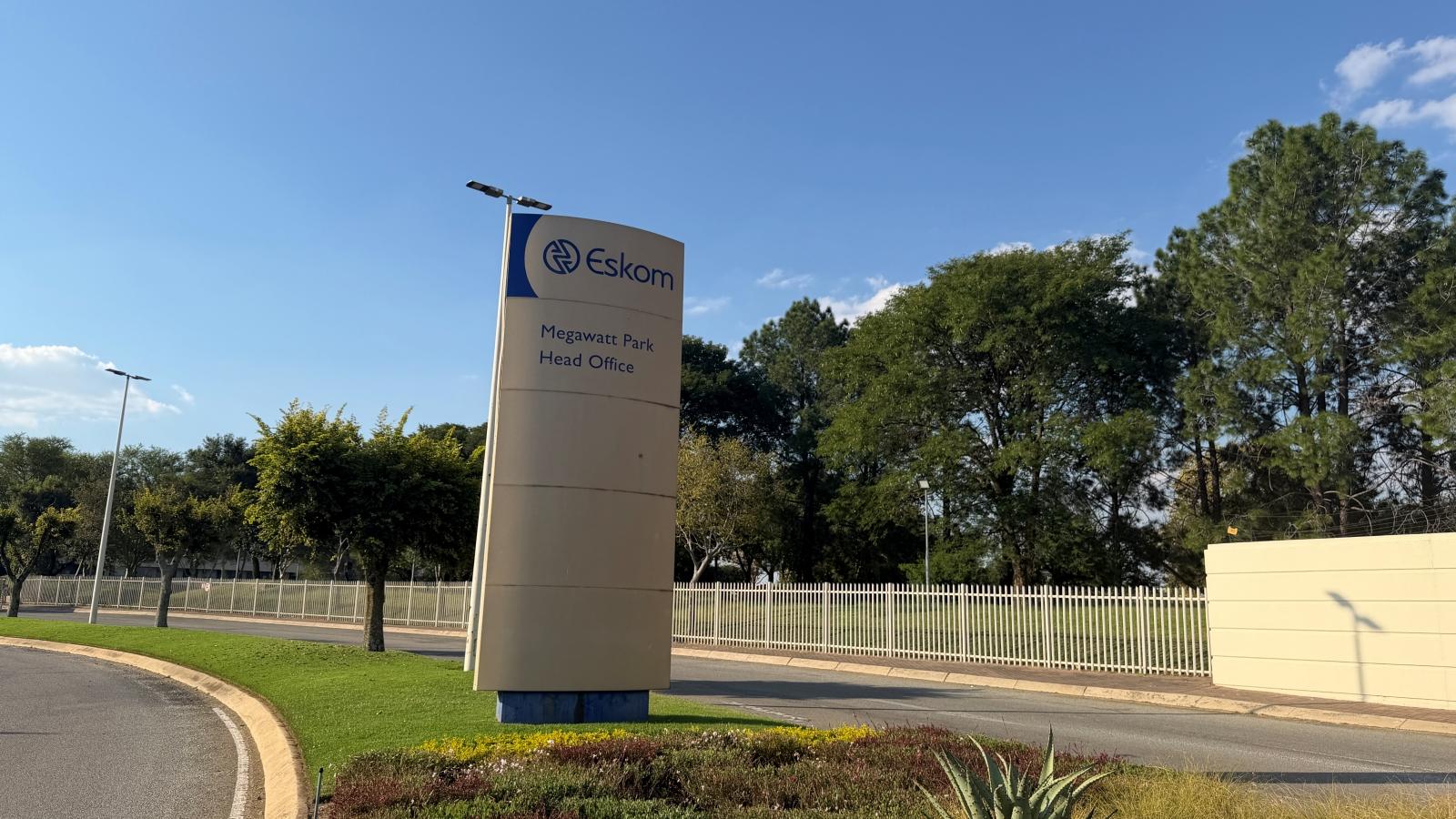
Eskom has also warned that it could proceed with a process under the Promotion of Administrative Justice Act (PAJA) if the situation is not resolved.
Eskom has been pursuing similar interventions against other municipalities as municipal arrears continue to grow.
The power utility said in 2026 that municipal debt had reached R111.6 billion, despite the National Treasury’s municipal debt relief programme.
Eskom has described municipal debt as a major threat to its financial sustainability. Its latest reporting said arrears had reached about R119 billion by June 2026.
The utility’s projections also showed the figure could rise to about R358 billion by the financial year 2031 if decisive intervention is not implemented.
The problem is significant because municipalities account for a substantial portion of Eskom’s electricity sales.
Eskom’s 2025 integrated report said municipalities accounted for 42% of its sales and that poor payment levels significantly affected its revenue and financial sustainability.
Müller said he would submit a formal question to the Eastern Cape Legislature seeking the municipality’s latest Eskom balance.
This would include a reconciliation of electricity revenue collected, payments made to Eskom, and details of its compliance with the debt-relief programme.
“Residents who pay for electricity deserve to know what happened to that revenue and why the municipality repeatedly failed to honour its obligations,” he said.
He also questioned why Inxuba Yethemba had not committed to the Distribution Agency Agreement.
The DA said it wants electricity revenue to be ring-fenced, with the current Eskom account prioritised and a repayment plan put in place for historic debt.
“Inxuba Yethemba cannot begin reducing its historic debt while it continues creating new debt,” Müller said.














 Loading ...