

Discovery sees claims for weight-loss drugs nearly triple in three years


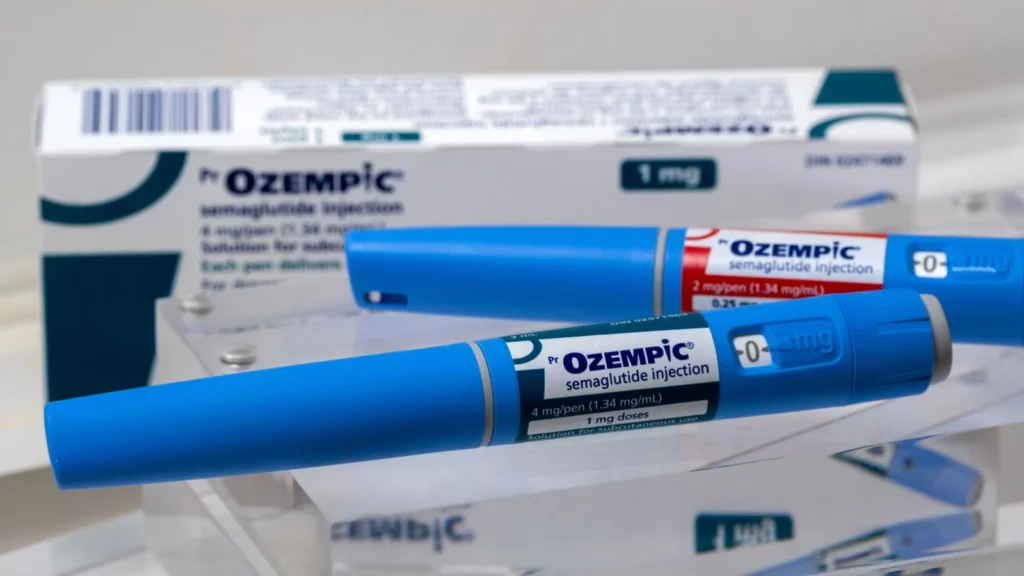
A surge in South Africans’ claims for blockbuster GLP-1 medicines used for weight loss is creating new business opportunities in the booming market as insurers, drugmakers and startups look for ways to make expensive treatments that may require long-term use financially sustainable.
The number of people claiming for blockbuster GLP-1 medicines through Discovery, which administers the country’s largest private-health plan, has almost tripled to 61,200 members in the three years through 2025, even as they claim for the drugs for an average of just 5.4 months.
Yet the plan doesn’t provide a dedicated chronic-medicine benefit for the drugs when used specifically for obesity, leaving patients to draw on day-to-day benefits, including medical savings, or pay themselves.
Discovery cautions that the claims data don’t necessarily reflect how long patients remain on treatment and says it can’t determine how many stop claiming because of cost.
Still, affordability has become a central challenge in the rapidly growing market.
“Cost is therefore an important barrier, particularly where treatment is paid for out of pocket,” said Mosima Mabunda, chief clinical officer of Discovery Vitality, the company’s wellness-benefits program.
Obiflex, a doctor-led weight-management company that’s partnering with Novo Nordisk, is allowing patients to finance GLP-1 programmes through interest-free instalments.
Novo is financially supporting development of the buy-now, pay-later platform and a WhatsApp-based patient-support programme, though it doesn’t bear any of the credit risk, the drugmaker said.
The firm expects a default rate of about 5% and is initially carrying that risk on its own balance sheet while using credit checks and requiring payment before subsequent medication is dispatched.
“We didn’t want to just make the medicine more affordable,” said Shaun Barns, co-founder and chief executive officer of Obiflex.
“We want to offer proper medical support, coaching and a way to pay for GLP-1s.” The company is also planning to approach companies about employer-subsidised access, he said.
Discovery is taking another route, expanding its HealthyWeight programme to include doctor-led assessments for anti-obesity medicines where clinically appropriate, alongside nutrition, exercise and behavioral support.
The medicines generally remain for the member’s account, but under a new benefit, qualifying members of its Group Risk business can earn incentive points for meeting physical-activity goals, helping offset some of the drug cost.
Meanwhile, Aspen Pharmacare, which generated about R1.5 billion in South African sales of Eli Lilly & Co.’s Mounjaro, is preparing a generic semaglutide.
CEO Stephen Saad has said he expects generic GLP-1s globally to cost at least 50% less than current branded medicines.
Novo is also seeking to bring down the cost of treatment through price adjustments and lower-priced authorised copies of its medicines, while working with health plans and insurers to expand coverage.
The combination of lower drug prices and new ways to finance treatment could ultimately determine how far South Africa’s rapidly growing GLP-1 market can expand.
“My hope and dream is that we can offer these programs cheaper and cheaper continuously,” Barns said.

















 Loading ...