

Criminals have a new target in South Africa



Criminals are increasingly targeting deceased estates in South Africa to steal inheritances by exploiting weaknesses in the system.
This is according to Helen du Toit, a member of the ASISA Forensic Standing Committee and an expert on deceased estate fraud.
In an interview with The Money Show, she said the administration of deceased estates is exposed because the process remains fragmented, involving various parties and institutions.
“The estate process is complicated, but besides being complicated, it is highly manual and fragmented across various actors, and criminals are exploiting that,” she said.
Du Toit said moving more of the process online could help, but would not completely solve the problem.
She added that the main issue was establishing a reliable way to verify the identities of beneficiaries and other people involved in an estate.
She compared the situation with financial institutions, which increasingly use biometric verification when providing services such as loans.
“Currently, you can’t get a loan without going through biometric identification, because how would we know as a financial institution that we’re actually dealing with Helen?” she said.
“The problem is identifying who the actual beneficiaries of this estate are. Just doing it online or creating the documentation on that platform is not going to take away the fact that we can’t say what the source of truth is.”
Du Toit said criminals were exploiting the lack of a definitive source of truth in the deceased estate process. She said the financial losses were significant, although she did not provide a specific figure.
“The attempts are not that many, but the value of money is significant. I wouldn’t think it would be best for me to quote numbers, but it is quite significant,” she said.
For people expecting an inheritance, Du Toit said one of the most important steps was to remove the information gap between beneficiaries and the financial institutions holding the assets.
“Identify the relevant financial institutions, make contact with them, and make sure that they know exactly who the executor is and what your contact details are,” she said.
The system could be improved
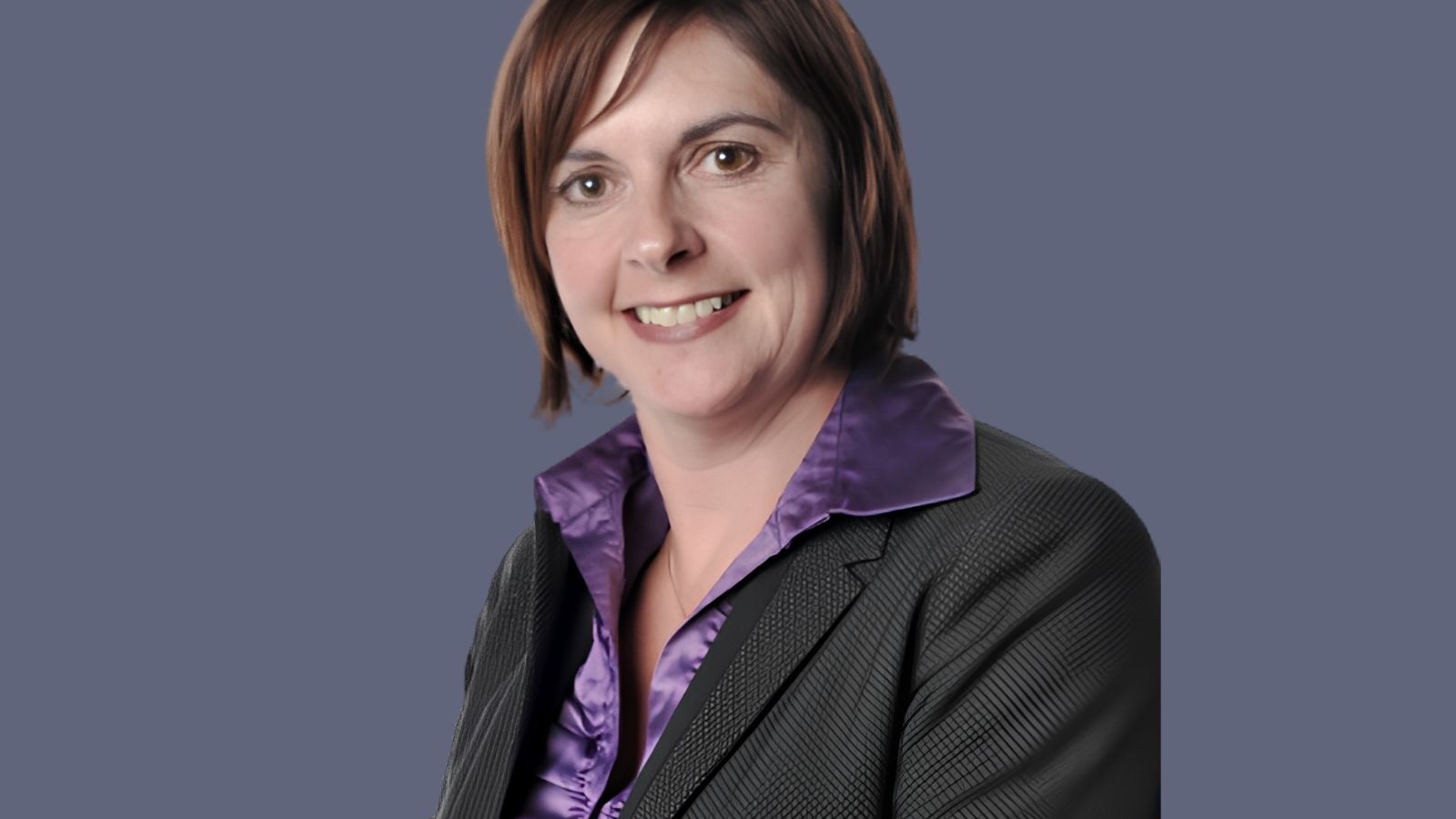
She said this could make it more difficult for criminals to successfully use intercepted documents, such as powers of attorney, to redirect an inheritance. Du Toit explained that criminals often intercept a power-of-attorney letter.
If the financial institution knows who that single source of truth is or who the beneficiary is, and that is independently verified by you, then you have a better chance of protecting yourself against that.
Du Toit also urged people to have a valid will and carefully consider who they appoint as executor. “It is important to appoint somebody who will not have to appoint an attorney,” she said.
“If an executor is not actually capable of being an executor, it creates a huge loophole because now that executor will have to provide a power of attorney.”
She warned that these powers of attorney could themselves become targets for criminals. “Just think about how easy it is to intercept that and to manipulate that,” she said.
Du Toit said there were also practical measures that the government and Master’s Offices could consider, including greater digitalisation of the deceased estate process.
This includes creating centralised systems where people could create and manage wills, while allowing users to authenticate themselves and access only the information and documentation relevant to them.
“We can log on to a central thing, be authenticated as the right person, and have access to only that documentation and information we need,” she said.
Du Toit added that the private sector was also working on measures to address the problem.
“The private sector is also trying to do a lot. ASISA is also working a lot with the banking industry and the financial intelligence centres. There is a lot that can be done to curb this concerning crime that we are facing.”


















 Loading ...