

Plan to turn 13 farms into a new R22 billion international airport in Gauteng


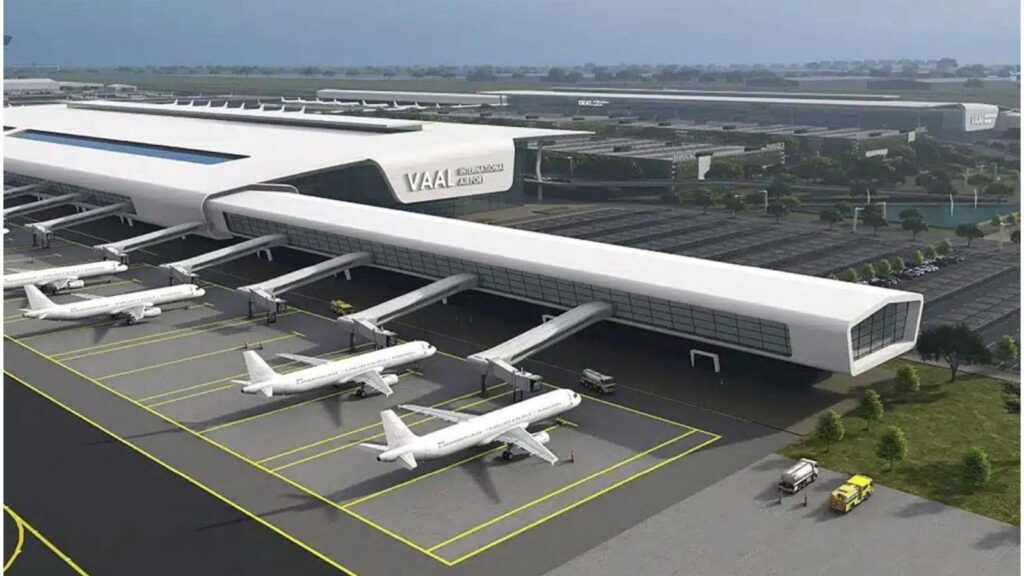
Plans to build a R22.6 billion international airport on 13 farms south of Johannesburg are moving forward, with developers now seeking environmental authorisation for the first phase of the proposed Vaal Aerotropolis.
The project, led by Vaal Aerozone, plans to establish an international airport and a major freight and logistics hub in the Emfuleni Local Municipality, about 9km west of the N1 highway and Vanderbijlpark.
The development will span parts of 13 farms and form a central component of the proposed Vaal Special Economic Zone (SEZ), which is intended to revive industrial activity and attract investment to the Vaal Triangle.
According to the Sedibeng District Municipality, the aerotropolis is expected to cost R22.6 billion, with R12.2 billion allocated to the airport itself.
The development is projected to create 12,000 jobs during construction and 6,000 permanent jobs once operational.
Vaal Aerozone said the project would be designed around freight and logistics, with integrated air cargo services prioritised alongside passenger operations.
“The aim of the Vaal Aerotropolis is to serve as a driving force and strategic investment for economic growth and global trade,” the company said.
“This development aims to serve as a key freight and logistics hub, thereby revitalising Emfuleni and creating sustainable value in the region.”
The aerotropolis is planned to be developed in three phases over 60 years, incorporating an international airport, a cargo terminal, an airport city, a solar farm, an agricultural zone, and a trade zone.
The current environmental authorisation application covers only the first phase, which will establish the core airport infrastructure.
This includes a 4.2km runway designed to accommodate Code F aircraft, among the largest aircraft categories, as well as two rapid-exit taxiways.
The passenger terminal is planned to handle 7.2 million passengers annually, while the cargo terminal will have a capacity of 150,000 tonnes of freight per year.
What to expect
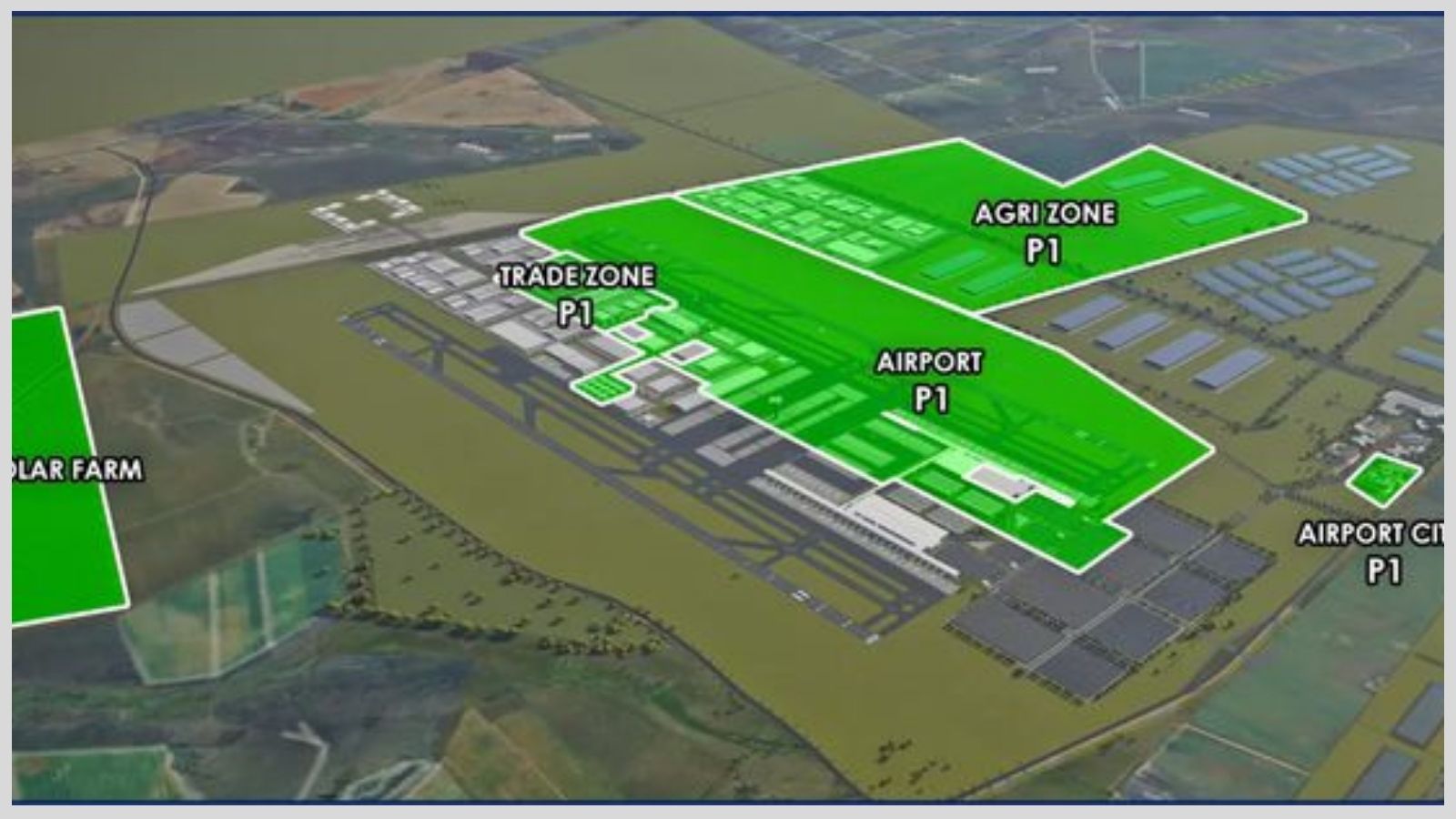
The first phase will also include an airport city, a hotel with more than 90 rooms, premium office space, and medical consulting facilities.
Additional infrastructure is planned for aircraft parking, maintenance, fuel storage, road access and municipal services, including water supply, wastewater treatment, electricity and stormwater systems.
The wider development will incorporate an agricultural zone with climate-controlled greenhouses, hydroponic farming, tissue culture facilities and infrastructure for exporting perishable goods.
A trade zone is also planned, with manufacturing, warehousing and distribution facilities intended to connect air freight with rail, ports, factories and major roads.
The Vaal Aerotropolis forms part of a broader plan to establish the Vaal SEZ, first announced by former Gauteng Premier David Makhura during his State of the Province address in February 2020.
At the time, Makhura said the planned developments were intended to attract R40 billion in investment to the Vaal Triangle economy.
In 2023, Citibank South Africa pledged R1.38 billion in financing for the first phase of the aerotropolis. The bank said the investment could help attract further capital to the region over several decades.
More recently, Deputy Trade, Industry and Competition Minister Zuko Godlimpi told community stakeholders and local entrepreneurs that the proposed SEZ could support reindustrialisation and help restore manufacturing in the Vaal area.
Vaal Aerozone published a background information document on 30 September as part of the environmental assessment process.
Interested and affected parties have been invited to submit written comments to the environmental assessment practitioner, EMS Africa, by 2 December 2026.
The comments will inform the final environmental scoping report, which will be submitted to the Gauteng Department of Environment.
Construction of the first phase is planned for 2029 to 2031, with the airport scheduled to begin operations in 2032. These dates remain dependent on the project’s approval and implementation processes.













 Loading ...