

Mafia group taking control in one of the busiest suburbs in Cape Town


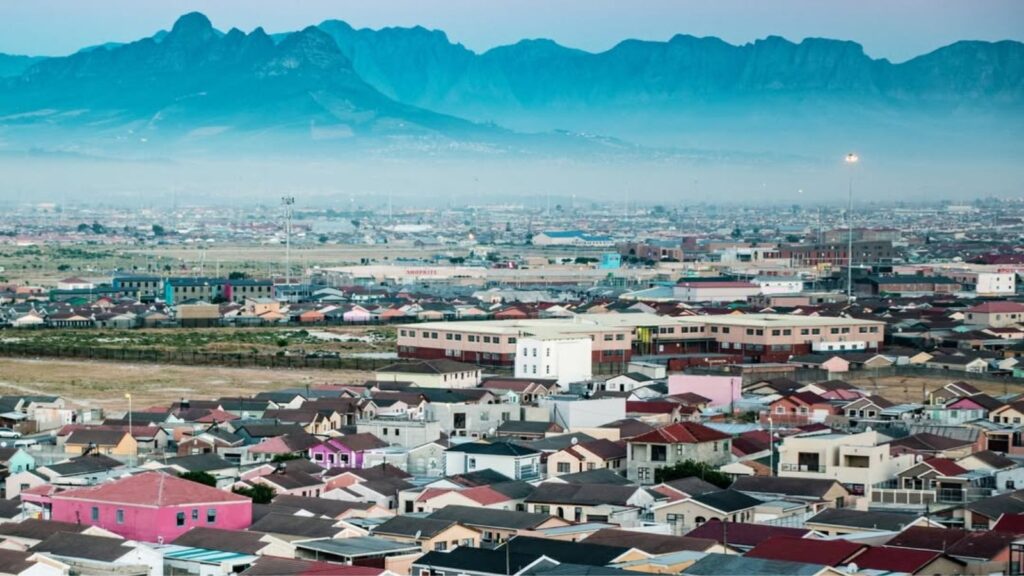
Khayelitsha, one of Cape Town’s largest townships, is being overrun by mafia-style extortion gangs.
These gangs demand a share of residents’ income, with community organisations warning that threats of violence are making it increasingly difficult for businesses and traders to operate.
The Khayelitsha Development Forum (KDF) said it receives daily complaints from business owners about extortion, which has become a major problem in a community where small businesses provide essential livelihoods and employment opportunities.
Khayelitsha has approximately 3,500 informal businesses, many of which operate on limited margins and cannot easily absorb additional costs imposed by criminal groups.
KDF chairperson Mawande Jwara said in an interview with Eyewitness News that the threats were restricting businesses’ ability to operate freely and discouraging potential investors from entering the area.
“We get that on a daily basis. To say weekly, I would be understating it. Khayelitsha Development Forum is getting those complaints from local businesses that [they’re] unable to operate [their] businesses freely because of this threat of extortion,” Jwara said.
Mpumzi Mange, a community liaison officer at the Khayelitsha Community Trust, said some business owners were being forced to hand over a substantial portion of their earnings.
“Some demand 15% to 20% on total earnings. It affects their businesses because there is living proof that if you don’t comply, they will shoot you, and it has happened many times,” Mange said.
Research by the Global Initiative Against Transnational Organised Crime has identified Khayelitsha, Nyanga and Gugulethu among the Cape Town communities particularly affected by extortion.
According to the research, although smaller-scale extortion existed previously, large-scale extortion targeting township businesses first emerged in Khayelitsha.
One gang expert described the township as having the “bragging rights” when it comes to extortion.
The report also highlighted how criminal groups have diversified their income streams, with extortion becoming as lucrative as illicit drug sales in areas such as Khayelitsha and Nyanga.
“Your capital outlay is less; you don’t have to source and store a product, you just have to have foot soldiers who go out and collect the money,” the expert said.
Western Cape is South Africa’s extortion capital

These demands have expanded beyond informal traders to include formal supermarkets, municipal service contractors, waste removal workers, and health personnel.
South African Police Service statistics showed that protection rackets are a significant component of the crime in the township.
The Western Cape accounts for a disproportionately large share of these cases nationally.
During the first quarter of the 2026/2027 financial year, the province recorded 52 of the 112 protection racket cases in the national sample, representing 46.4%.
It also accounted for 46 of the 85 sampled cases in which a direct protection fee was demanded, or 54.1% of the national total.
The demands often target small businesses, including spaza shops, taverns, and other informal traders, which are particularly vulnerable due to their limited financial resources.
Community representatives have described shootings and other acts of violence used to enforce payments, which have left traders facing a choice between surrendering their earnings and risking their lives.
The KDF noted that, in communities where informal enterprises are a vital source of employment, extortion can undermine livelihoods, discourage new investment, and increase the cost of doing business.

















 Loading ...