

Close call for interest rates in South Africa


South Africa could see interest rates rise next week, but economists say it is too close to call as the next Monetary Policy Committee (MPC) meeting approaches.
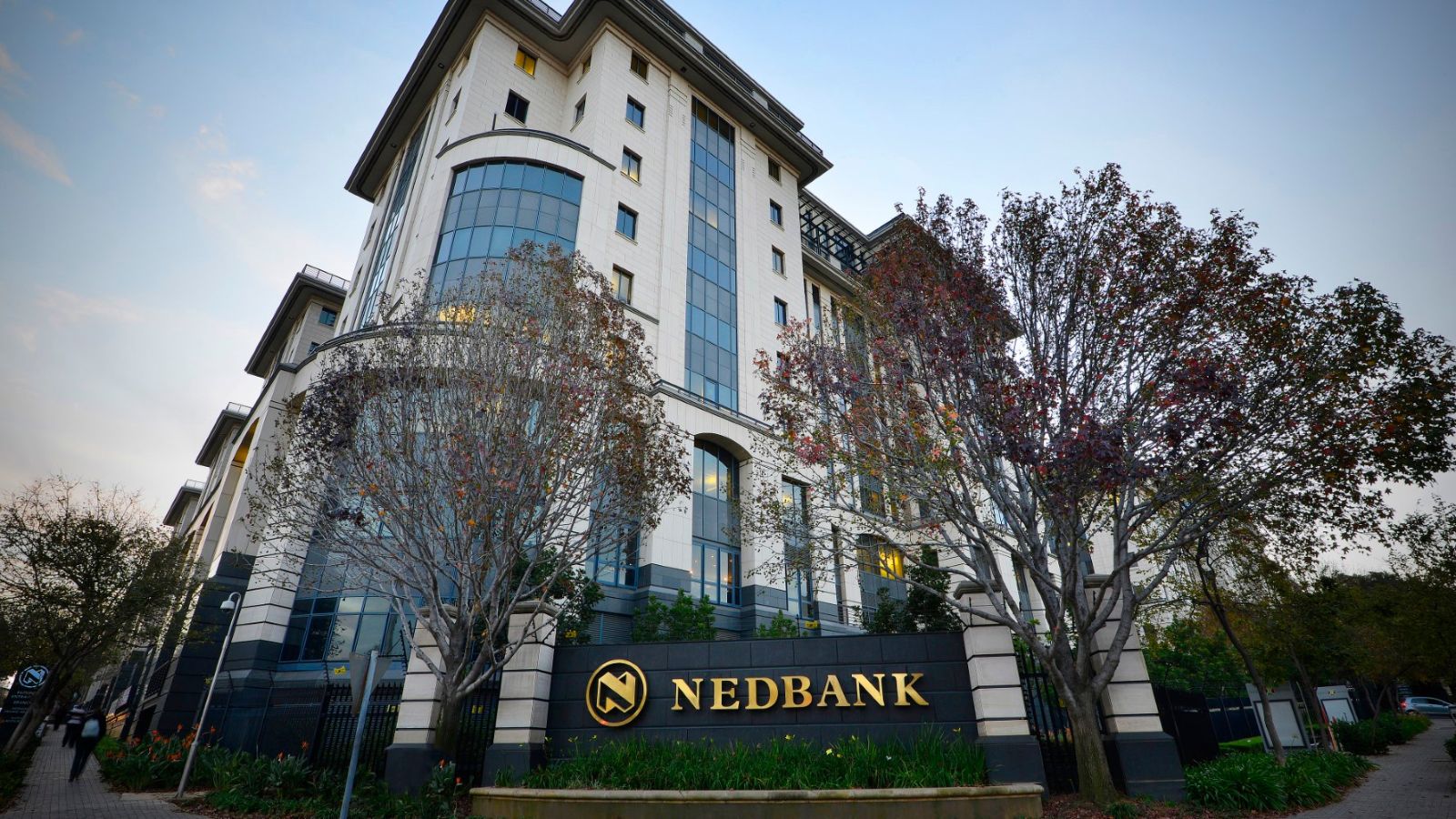
According to Nedbank economists, the committee has two options as it enters its final meeting for 2026: hike or hold.
The group said that both options are viable, making it difficult to predict what the South African Reserve Bank will choose to do.
“We think a reasonable case can be made for both options, making next week’s decision a difficult one to call,” Nedbank said.
The group said a 25-basis-point rate hike could make sense to counter a widely anticipated rate hike from the US Federal Reserve.
The Fed is set to decide on interest rate changes at the start of December, with CME Group’s Fedwatch indicating an 88% chance of a 25-basis-point hike and a 12% chance of a 50-basis-point hike.
“A November hike would help counter the impact on the rand of a widely anticipated Fed rate hike in December,” Nedbank said.
The group noted that a rate hike would also demonstrate the country’s commitment to its current 3% inflation target.
It said a rate hike would “reinforce policymakers’ commitment to the 3% target as inflation climbs and the upside risks to the outlook remain too high for comfort.”
South Africa’s inflation rate has remained elevated throughout 2026, largely due to high fuel prices that are affecting consumers and businesses.
The high fuel prices were driven by international conflicts that disrupted global trade and caused a surge in oil prices.
The inflation rate peaked at 5% in June and has remained above 4%, the country’s upper tolerance band, for most of the year.
In September 2026, South Africa’s inflation rose by 4.5% year-on-year, above the country’s target range but below many economists’ forecasts.
It could be a hold
While there is a clear case for a rate hike, Nedbank said the argument for holding interest rates is also compelling.
The group pointed to September’s softer-than-expected inflation data as a potential indicator of softer economic demand.
“While headline inflation increased further in September, it rose by less than consensus forecasts, services inflation eased for the first time in 6 months, and the core measure also softened,” it said.
“This moderation may be an early indication of softer demand conditions, forcing companies to absorb a greater portion of the rise in transport costs.”
A positive outlook on fuel prices could also justify a hold, following the government intervention announced by Finance Minister Enoch Godongwana.
During the Medium-Term Budget Policy Statement (MTBPS), the minister announced that the General Fuel Levy (GFL) would be reduced through November and December to curb the sharp rise in fuel prices.
Along with the reduced levy, current data indicates that petrol and diesel prices will decrease in December, even when government intervention is excluded from the calculations.
“The outlook for fuel prices looks more encouraging,” Nedbank said. “Fuel prices rose sharply in October, but the fuel levy relief provided by National Treasury prevented another hike in November and will likely amplify the size of the cut in December.”
The bank also noted that conflict in the Middle East had eased recently, likely due to the US’s reluctance to launch new offensives in Iran.
“Together, these developments could suggest that South Africa’s underlying inflation impulse may be weaker than in past cycles and that the impact of the energy shock on inflation will fade relatively soon,” Nedbank said.
“If this reasoning dominates, the MPC will likely opt to hold interest rates at current levels until inflation adopts a clear downward trend.”
While both options have their own arguments, Nedbank said it could not say which one the Reserve Bank committee would opt for.
“We think a reasonable case can be made for both options, making it a difficult one to call.”
















 Loading ...