

The 201-year-old South African town becoming a new semigration hotspot


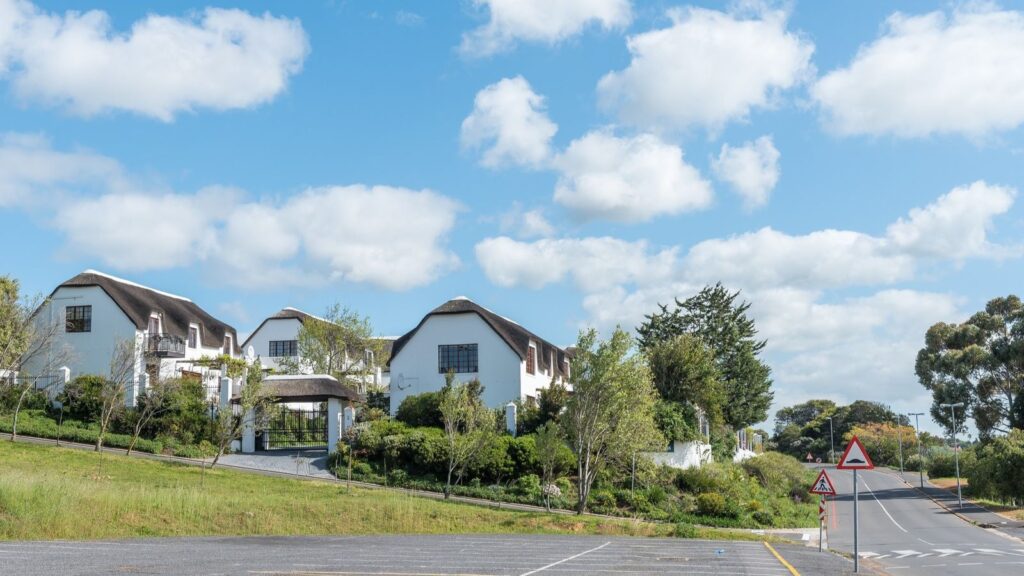
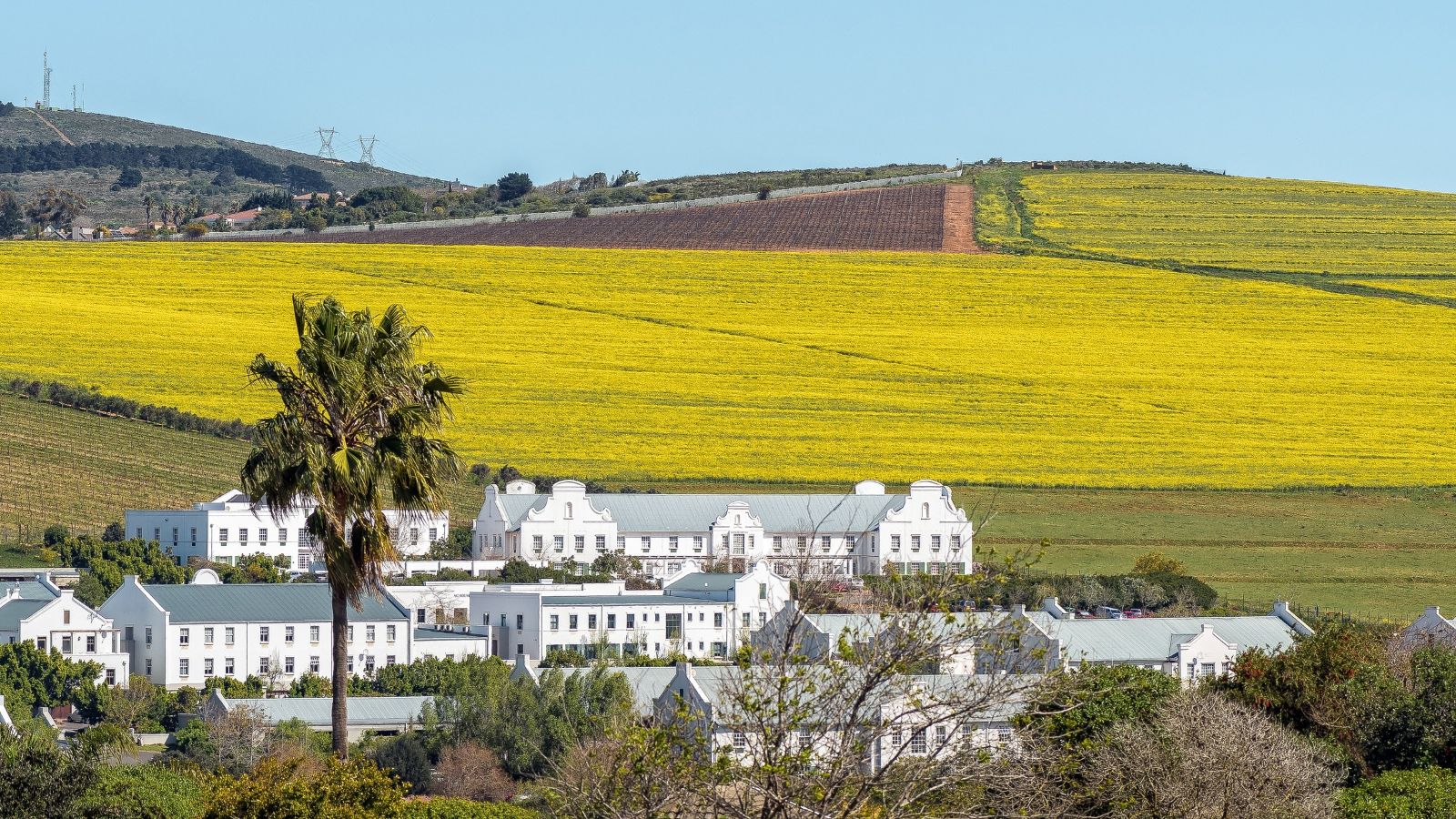
Durbanville is becoming one of the Western Cape’s most sought-after semigration destinations.
Property experts have noted that the town is attracting families from Gauteng and other parts of South Africa who are looking for larger homes, established schools, and a quieter lifestyle.
The town started when the Dutch East India Company (VOC) identified a natural freshwater spring in the Tygerberg Hills as an important replenishment point for travellers heading inland from Cape Town.
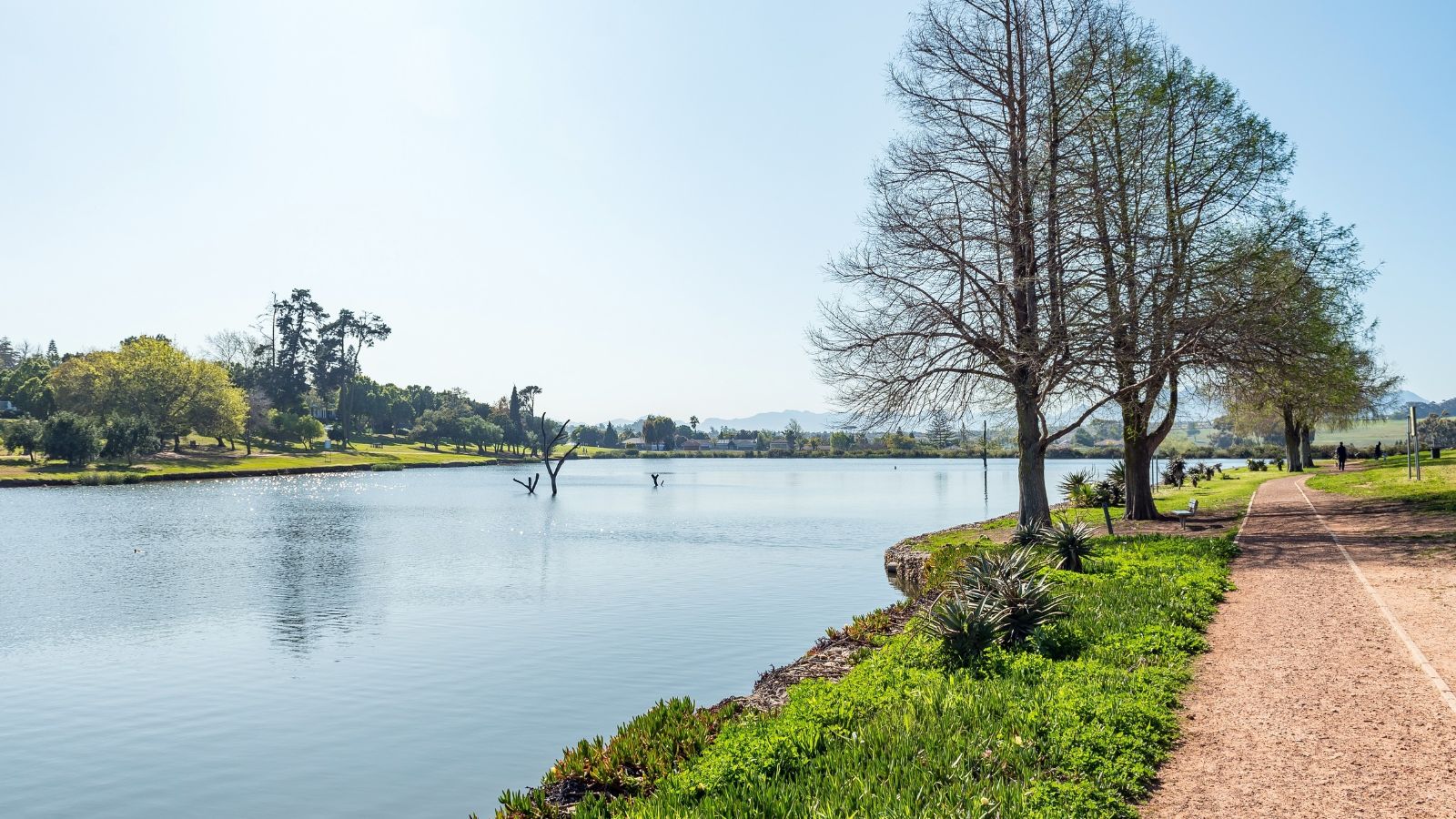
A pumpkin patch growing beside a nearby dam gave the settlement its original name, Pampoenkraal, meaning pumpkin corral.
Before European settlement, the surrounding area was inhabited by San and Khoi communities.
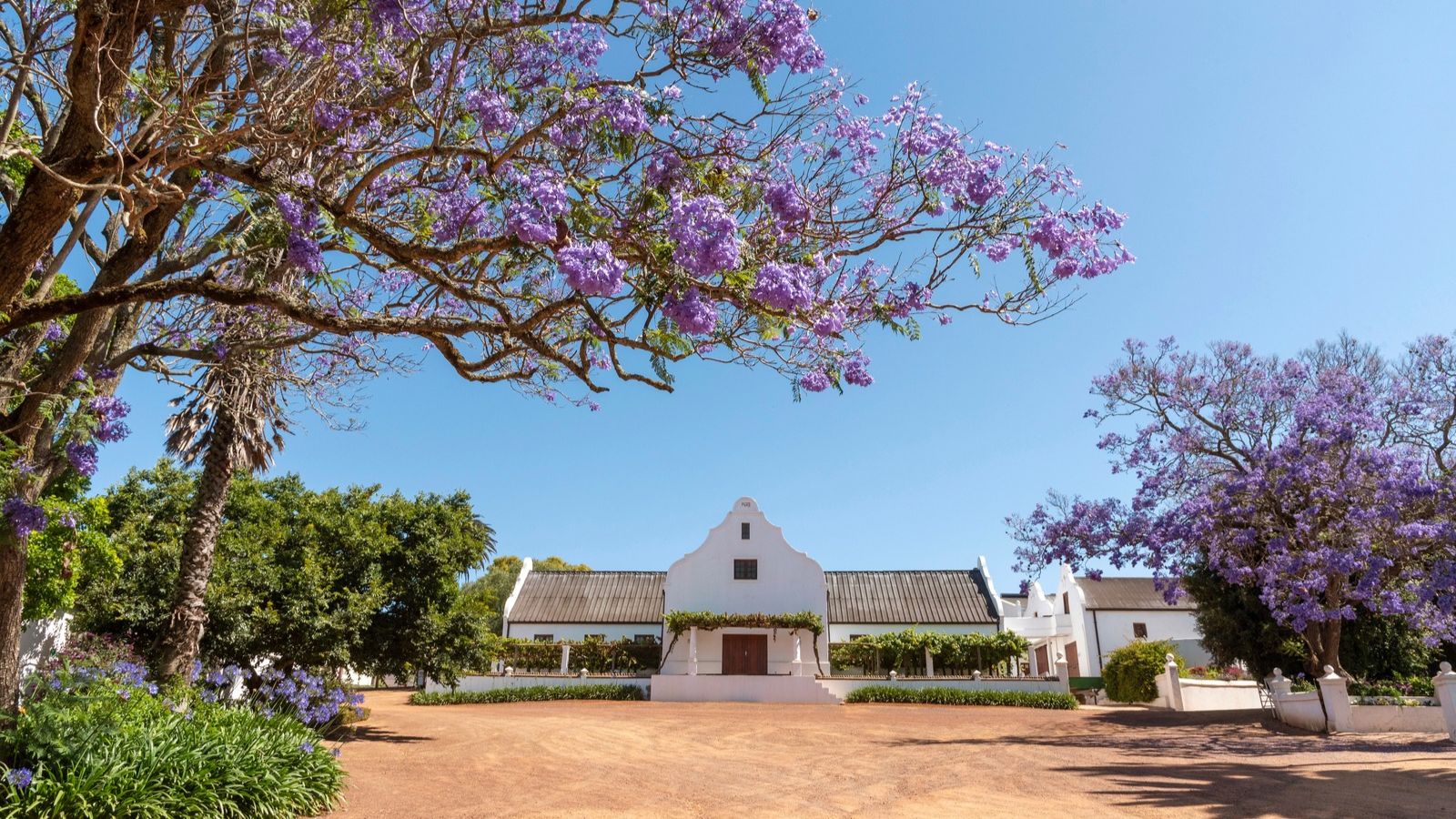
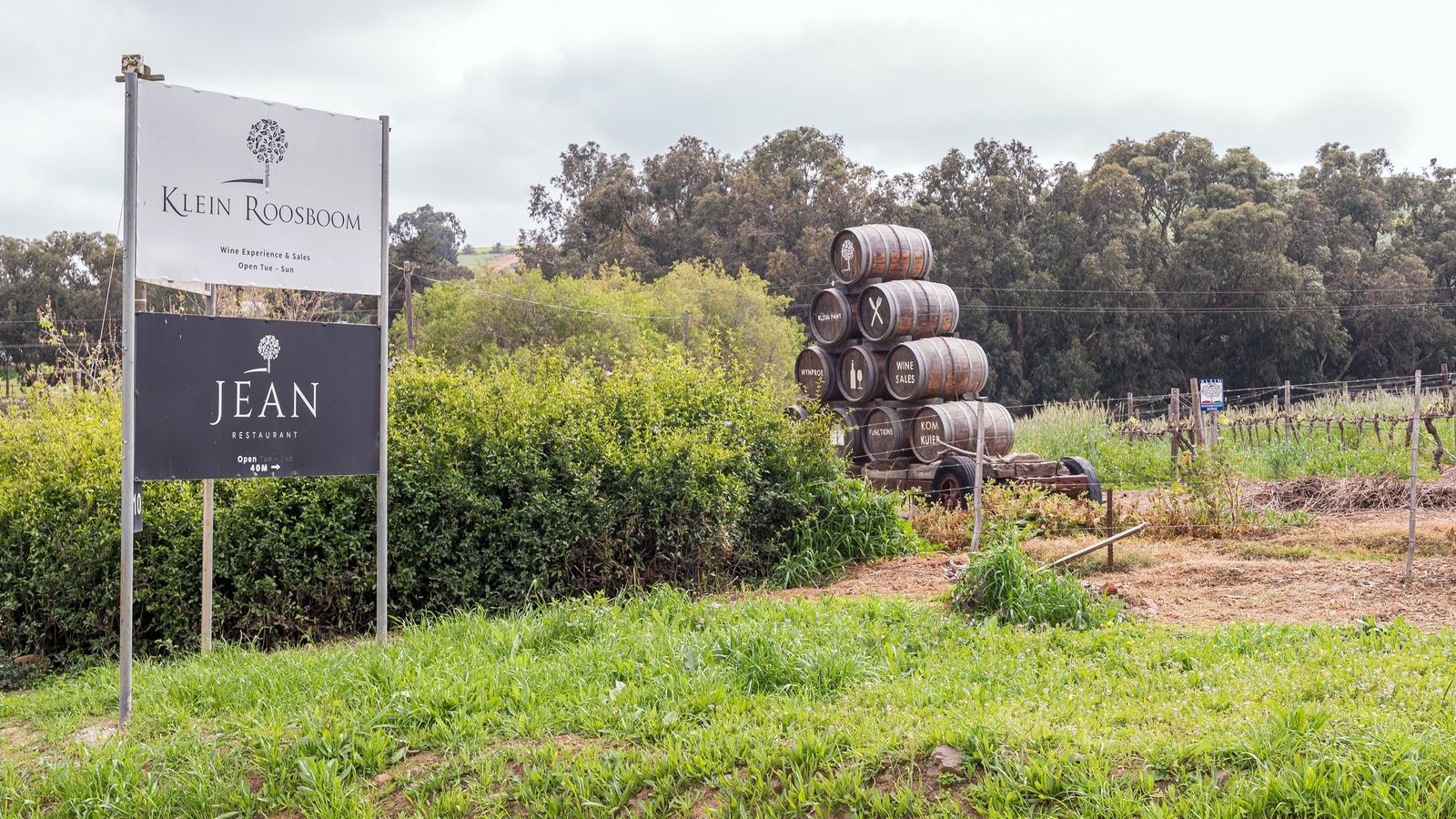
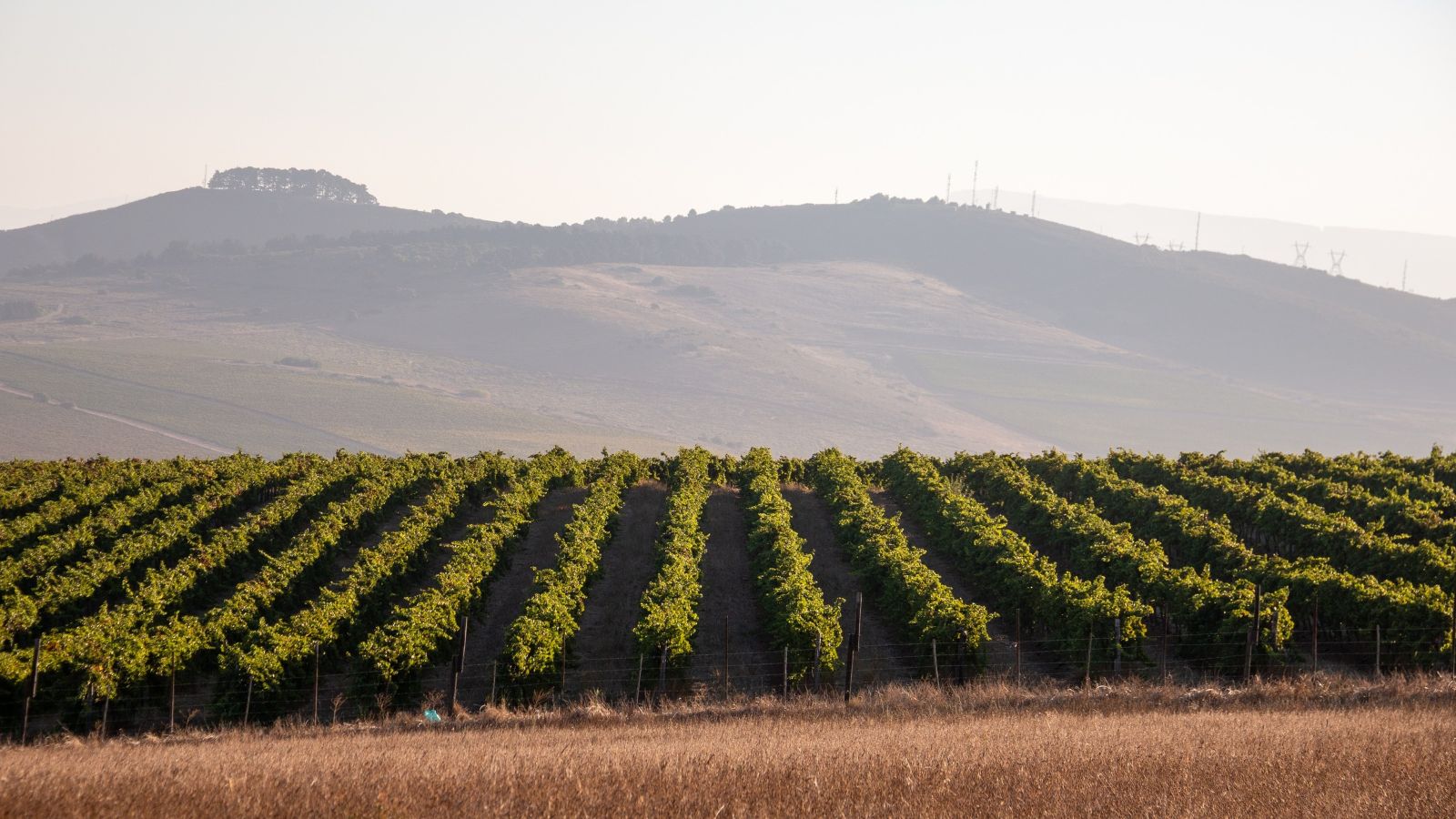
During the late 1600s, the VOC began allocating land to free burghers, leading to the establishment of wine farms including Meerendal, Bloemendal, Diemersdal and Altydgedacht, several of which remain operational today.
Residential plots were laid out in 1806, while the village was formally established in 1825 following the construction of a Dutch Reformed Church.
Residents renamed it D’Urban in 1836, after Cape Governor Sir Benjamin D’Urban. In 1886, the name was changed to Durbanville to avoid confusion with the growing port city of Durban in Natal.
The town also developed an important manufacturing industry during the 19th century. The King Brothers Wagon Works became the largest wagon manufacturer in South Africa, helping establish Durbanville as an economic centre in its own right.
Today, its appeal is increasingly evident in the property market, with buyers drawn to the availability of larger family homes, secure estates, and access to schools and commercial centres.
Fanie Marais, licensee for Seeff Durbanville and Welgedacht, said the broader Durbanville market had experienced sustained growth, with freehold house prices increasing by more than 40% over the past five years.
He said the growth was supported by demand from local buyers and semigration from other provinces, particularly Pretoria and Gauteng.
“A major drawcard for Gauteng families is the strong concentration of top-performing Afrikaans-medium schools,” Marais said.
What buyers are paying
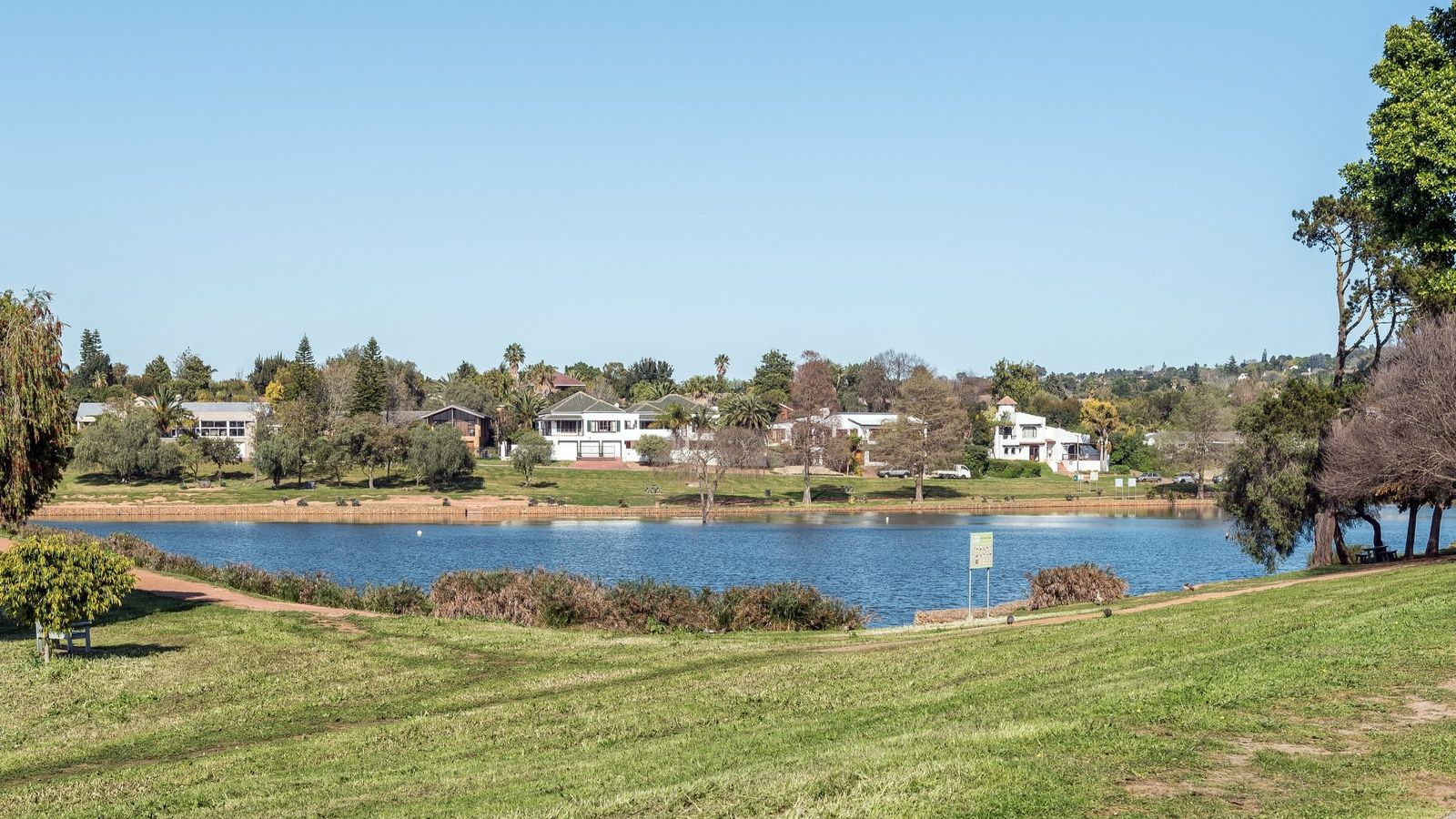
Families also benefit from a range of public and private education options, including Curro Durbanville, Reddam House, and Fairmont High, as well as healthcare facilities such as Mediclinic Durbanville.
Another factor is the amount of property buyers can secure relative to the more expensive parts of Cape Town.
Neighbourhoods such as Welgemoed offer larger stands, private gardens, swimming pools and space for home offices compared with similarly priced properties on the Atlantic Seaboard and in the Southern Suburbs.
The high-end market has also expanded. Welgedacht Estate and Eversdal Heights have average property values ranging between R6 million and R7.25 million, while Kanonberg Lifestyle Estate averages between R8.5 million and R8.7 million.
Clara Anna Fontein has median property prices of approximately R13 million, with some homes selling for between R15 million and more than R24 million.
The market’s growing appeal was highlighted by the sale of a five-bedroom home in Welgemoed for R19.995 million, setting a new record for Cape Town’s Northern Suburbs.
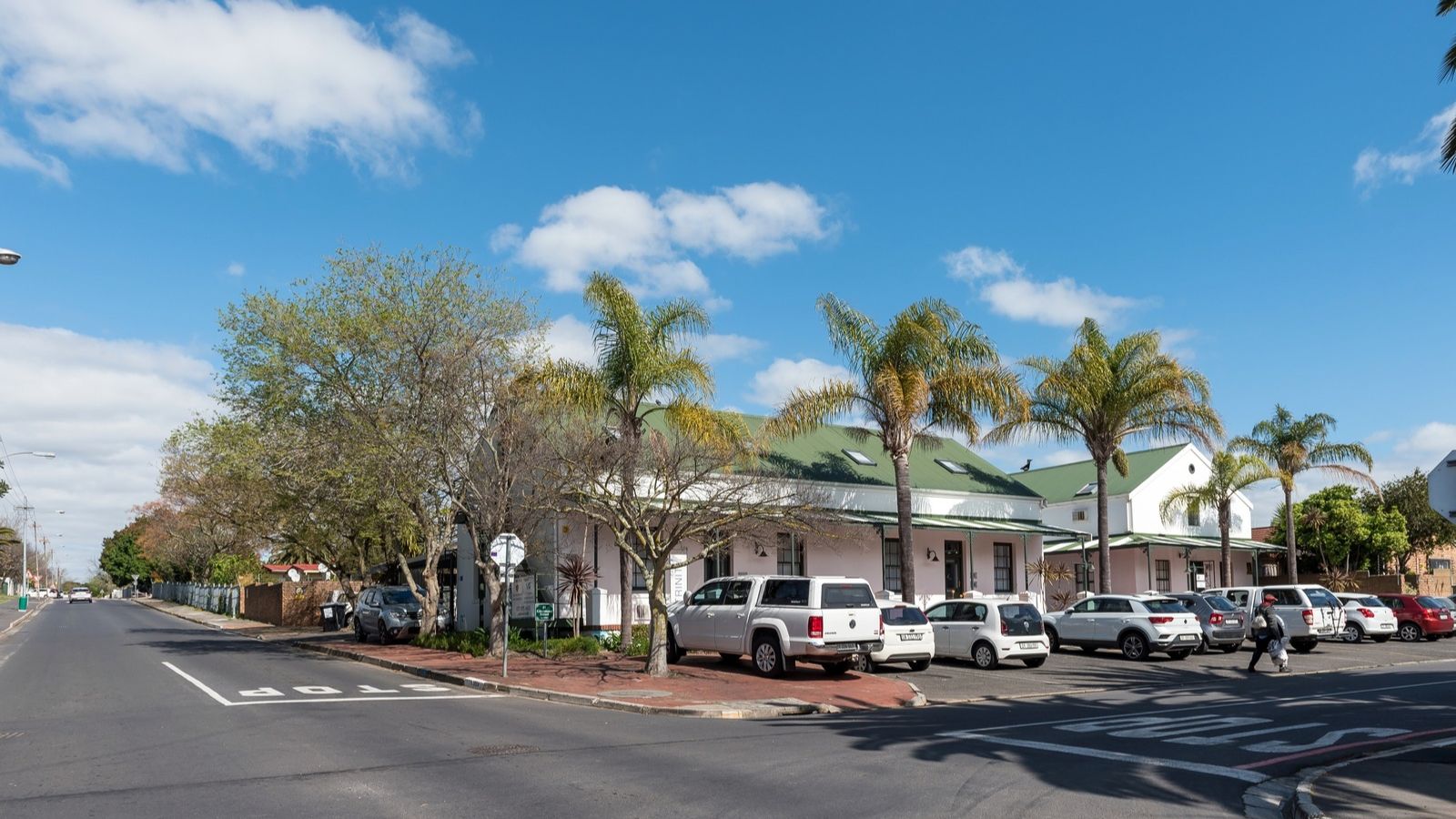
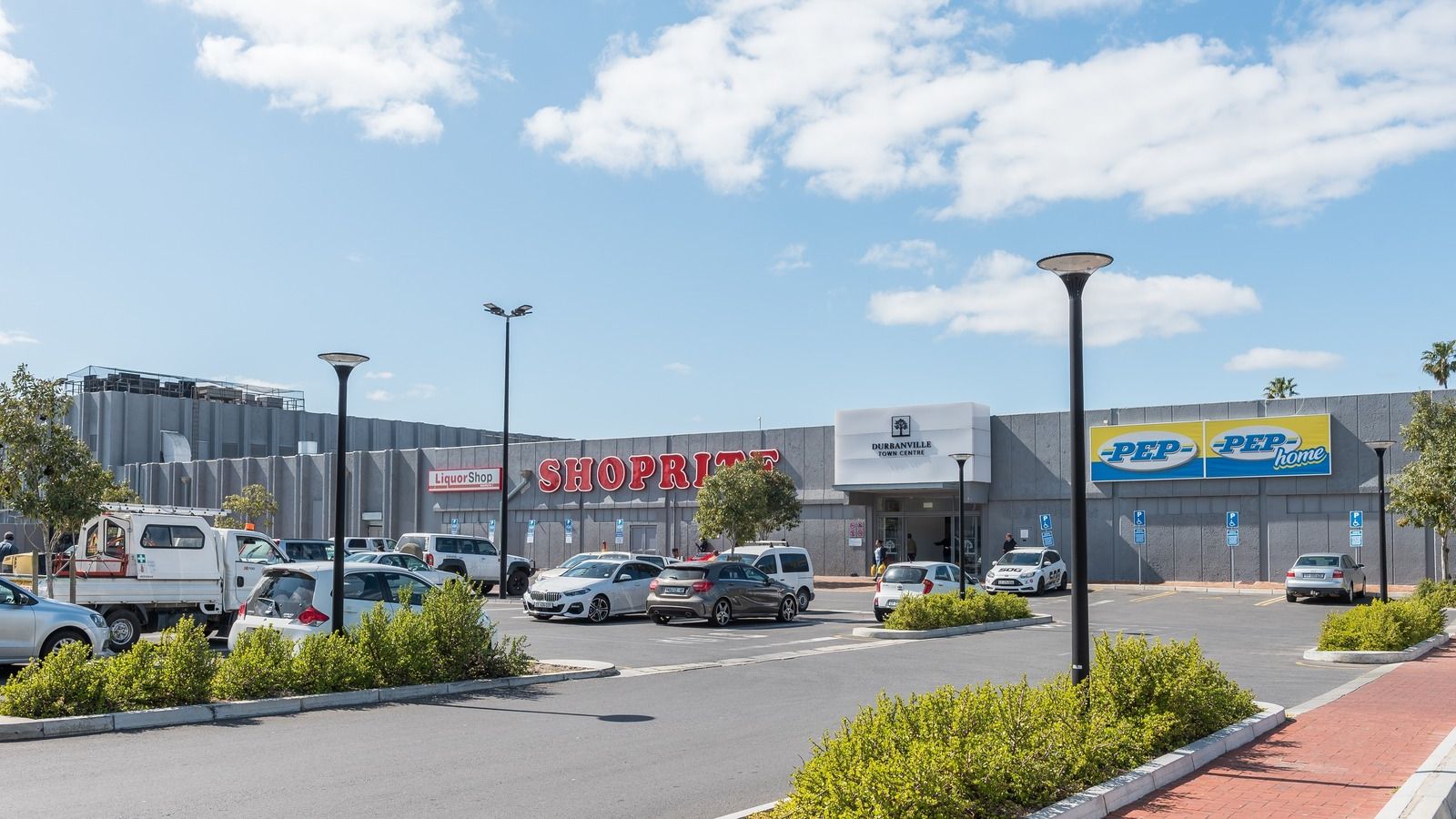
The area also offers access to major shopping centres, including Tyger Valley and Willowbridge, as well as the commercial centres of Bellville and Century City.
Its proximity to the N1 highway and Cape Town International Airport provides connections to the wider metropolitan area.
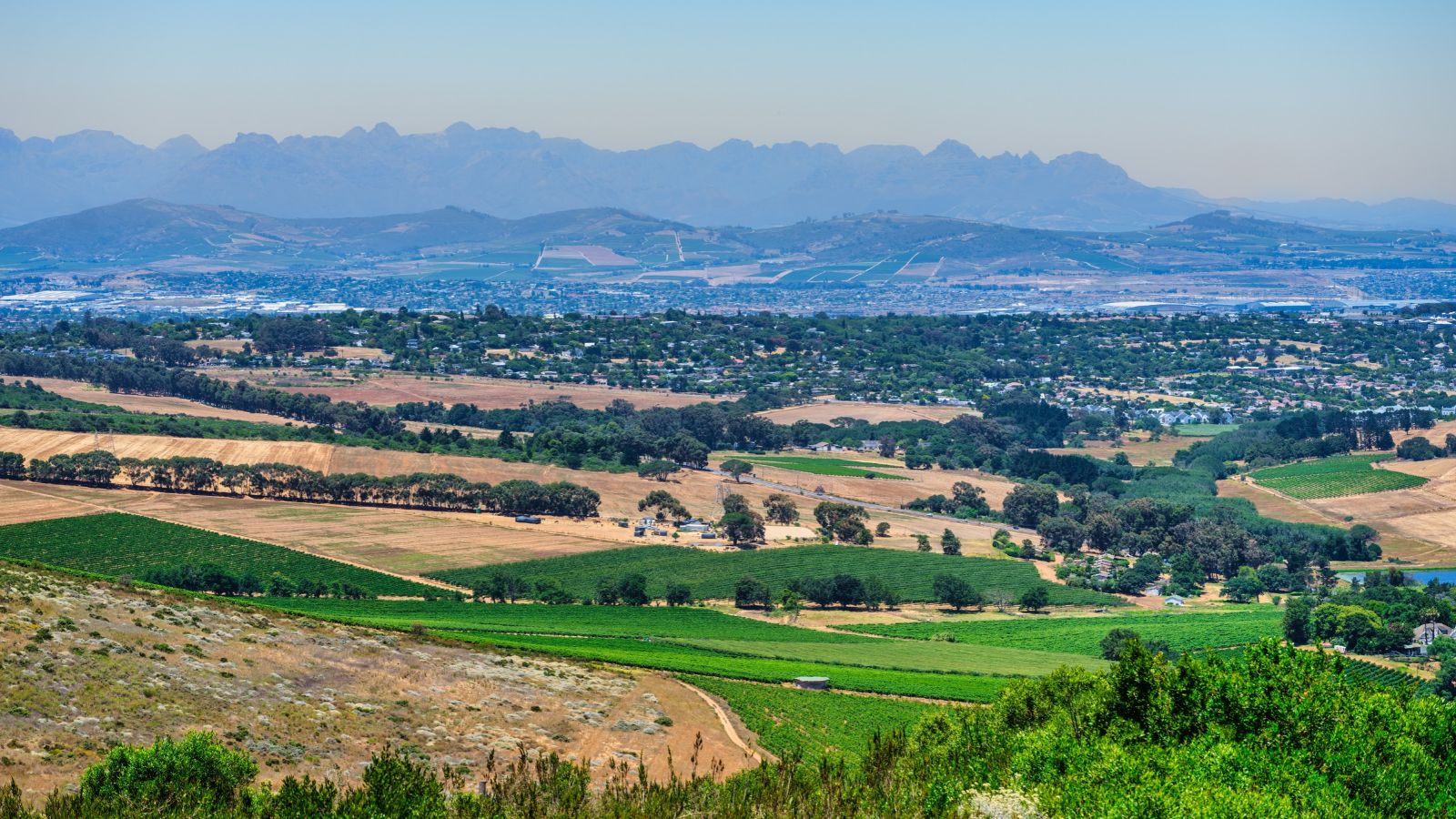
Durbanville’s surrounding wine farms, including Meerendal, D’Aria and Diemersdal, also contribute to its appeal.
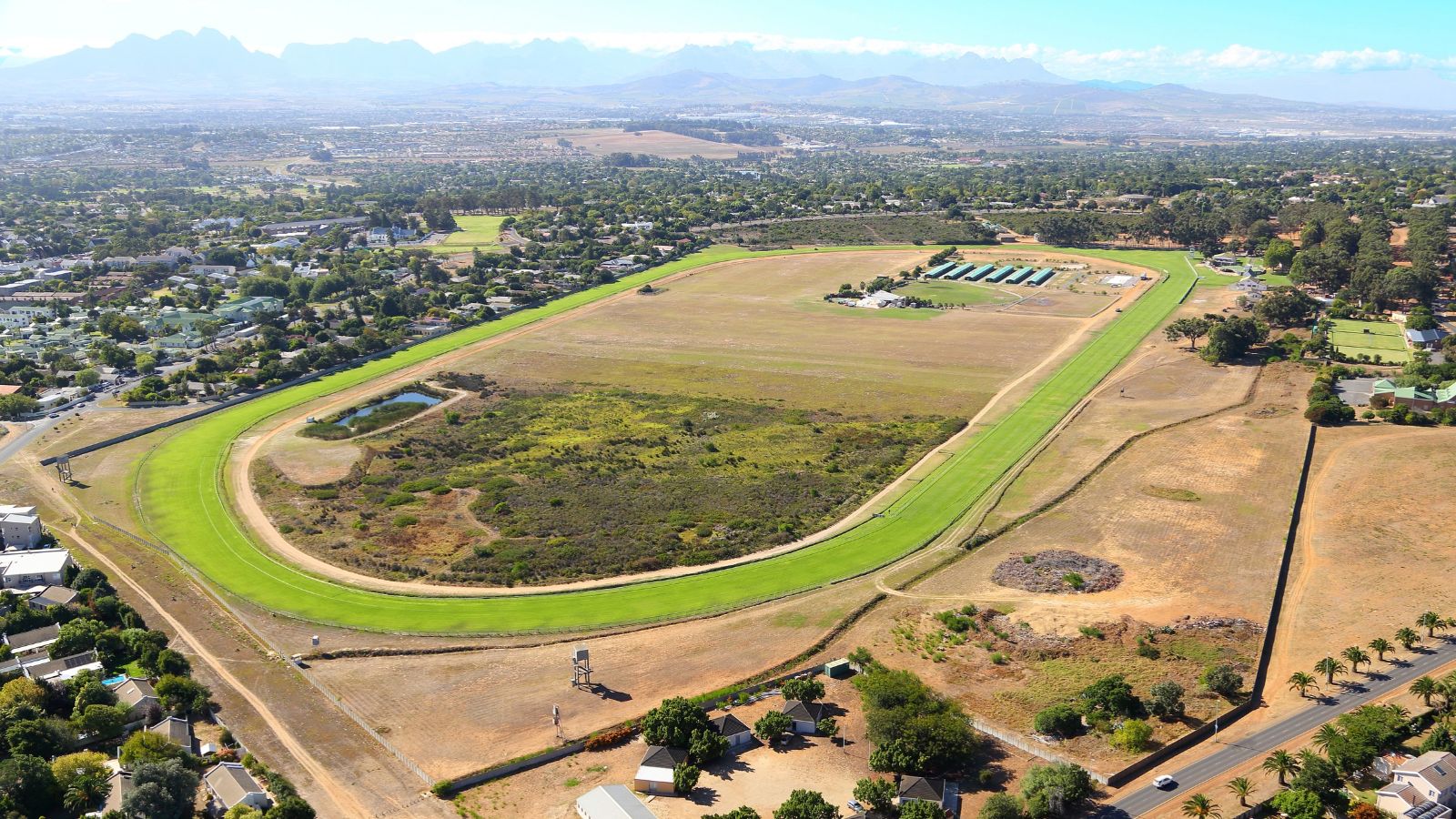
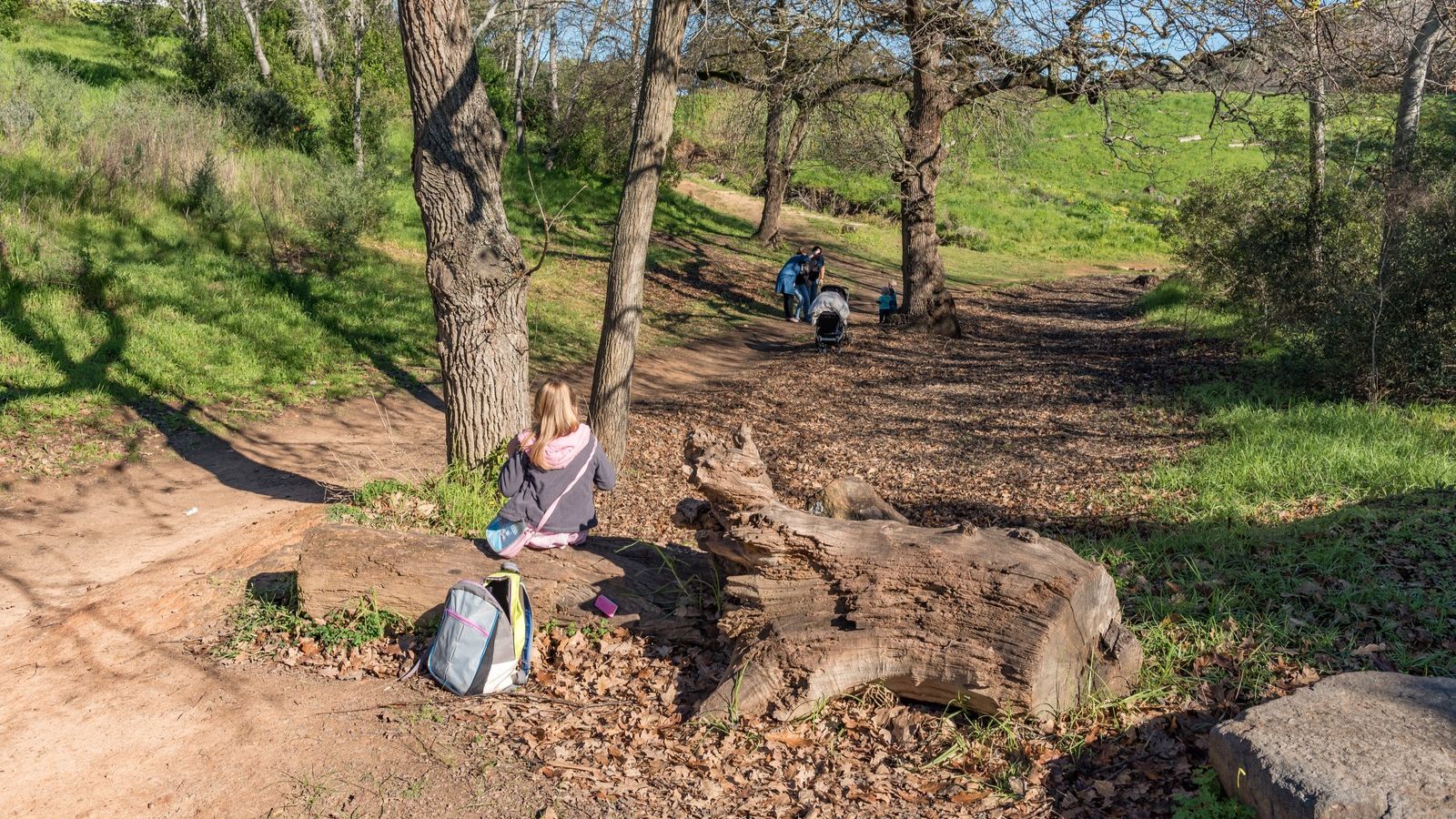
Residents also have access to mountain biking and cycling routes, golf courses, and outdoor spaces such as Majik Forest and the Tygerberg Nature Reserve.
More images of Durbanville and surrounds















 Loading ...