

Reserve Bank holds interest rates in South Africa


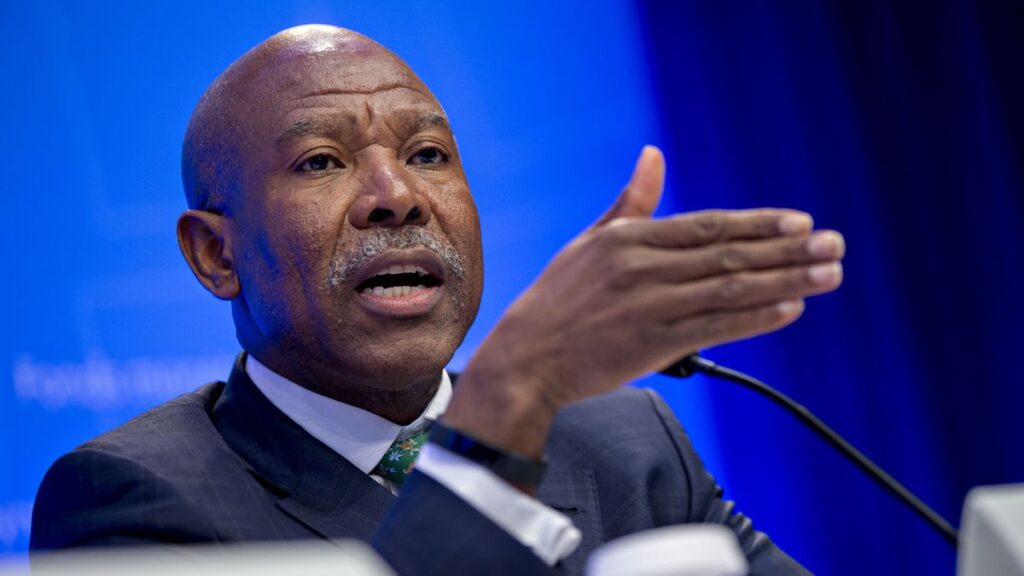
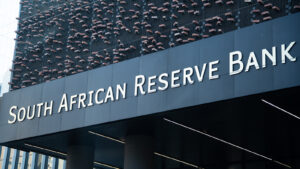
The South African Reserve Bank Monetary Policy Committee has elected to hold interest rates in its final meeting for the year.
This keeps the country’s repo rate at 7.25%. Four members voted for the hold, while three voted for a 25-basis-point increase.
According to Reserve Bank governor Lesetja Kganyago, the committee decided to pause “for now”, and said that the bank would not hesitate to hike rates if needed in the future.
“The global economy is still in a difficult position. Although oil prices have eased over the past few weeks, they remain elevated,” he said.
“Further pressure on fuel costs is coming from higher refinery margins and shipping rates, both linked to geopolitical conflicts. Global food inflation is also accelerating.”
Near-term inflation is above 5%, he said, reflecting on the 5.2% reading from Stats SA this week.
This is mainly due to fuel costs, with fuel inflation currently around 40%. High inflation prints, over 5%, are expected to persist into early next year.
“After that, the forecast starts showing somewhat lower inflation. The main reason is that we will no longer be comparing against pre-war fuel prices,” the governor said.
However, after two policy adjustments this year, and with a moderately restrictive policy stance, the bank said that it will pause “for now”.
“We are mindful of risks, and will not hesitate to raise rates if needed, to return inflation to target over the policy horizon,” Kganyago said.
Ahead of the announcement, most economists anticipated a hold, with very few leaving room for a surprise hike.
The split in the vote shows that this was not unfounded.
Consensus was that, despite elevated inflation due to higher fuel costs, markets were likely to turn in the short term, giving the SARB room to look past the temporary shock.
Despite this being the case, Kganyago warned that there are multiple inflationary risks ahead, including water restrictions, El Niño weather patterns, and international geopolitical shocks.
An upward trend in core inflation is also a worry, he said.
“2026 has been a challenging year. Inflation has been much higher than expected at the start of the year, and growth has been lower, with unemployment rising,” he said.
“It is unclear how conditions will evolve from here—but we remain committed to steering inflation back to the 3% target.”
With lower inflation, an improving fiscal position, and ongoing structural reforms, he said South Africa has clear potential to achieve higher growth in the years ahead.













 Loading ...