

South Africa is getting looted


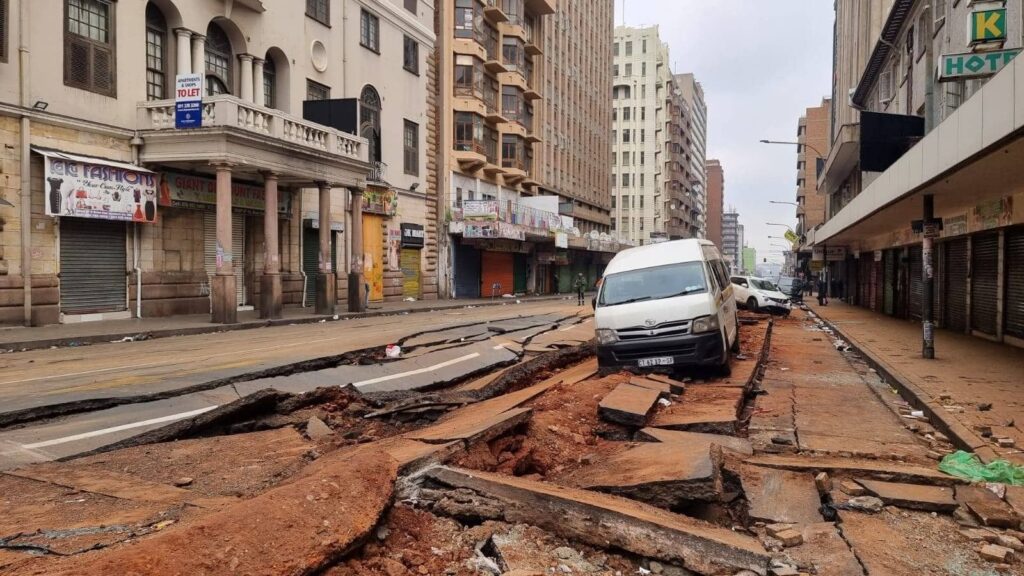
South Africa is still getting looted by an entrenched system of extraction that has spread through every level of the state.
This is the feedback from the Organisation Undoing Tax Abuse (OUTA) CEO, Wayne Duvenage, who said South Africa once showed real promise.
In his address during the BizNews conference in Hermanus in March, he said the country has, in the past, enjoyed average growth rates of 3.5% and 4% for a couple of years in a row, while debt and tax burdens were being reduced.
“Corporate taxes also came down from 35% to 28%… This was brilliant,” he said, pointing to former finance minister Trevor Manuel’s reforms at the time.
But that momentum, he argued, was derailed when Zuma came into power, bringing with it “a very extractive mindset that has been established and permeated throughout government.”
According to Duvenage, this culture of looting spread from national to provincial to local government.
It created a system designed not to serve citizens, but to protect itself and keep siphoning money out of the state.
He explained that major contracts, infrastructure deals, policies and systems increasingly became opportunities to channel money into political networks.
“Every deal, every big deal, there had to be a funding flow to the pockets of the politically connected,” he said.
Duvenage did not mince his words when describing the governing party’s role. “It is a criminal entity. Nothing short of that,” he said.
He argued that leading political parties themselves have lost control, even over the scale of theft within their own structures.
He said the consequences of this are visible everywhere, especially in crumbling municipalities.
Duvenage rejected the idea that local governments are simply underfunded. “Municipalities are not broke, the money is there,” he argued.
He noted that municipal revenues have surged from R155 billion in 2008 to R600, R615 billion today, yet services have collapsed.
“They’re failing. They’re not paying the electricity,” he said, despite the vastly larger budgets.
South Africans are not powerless
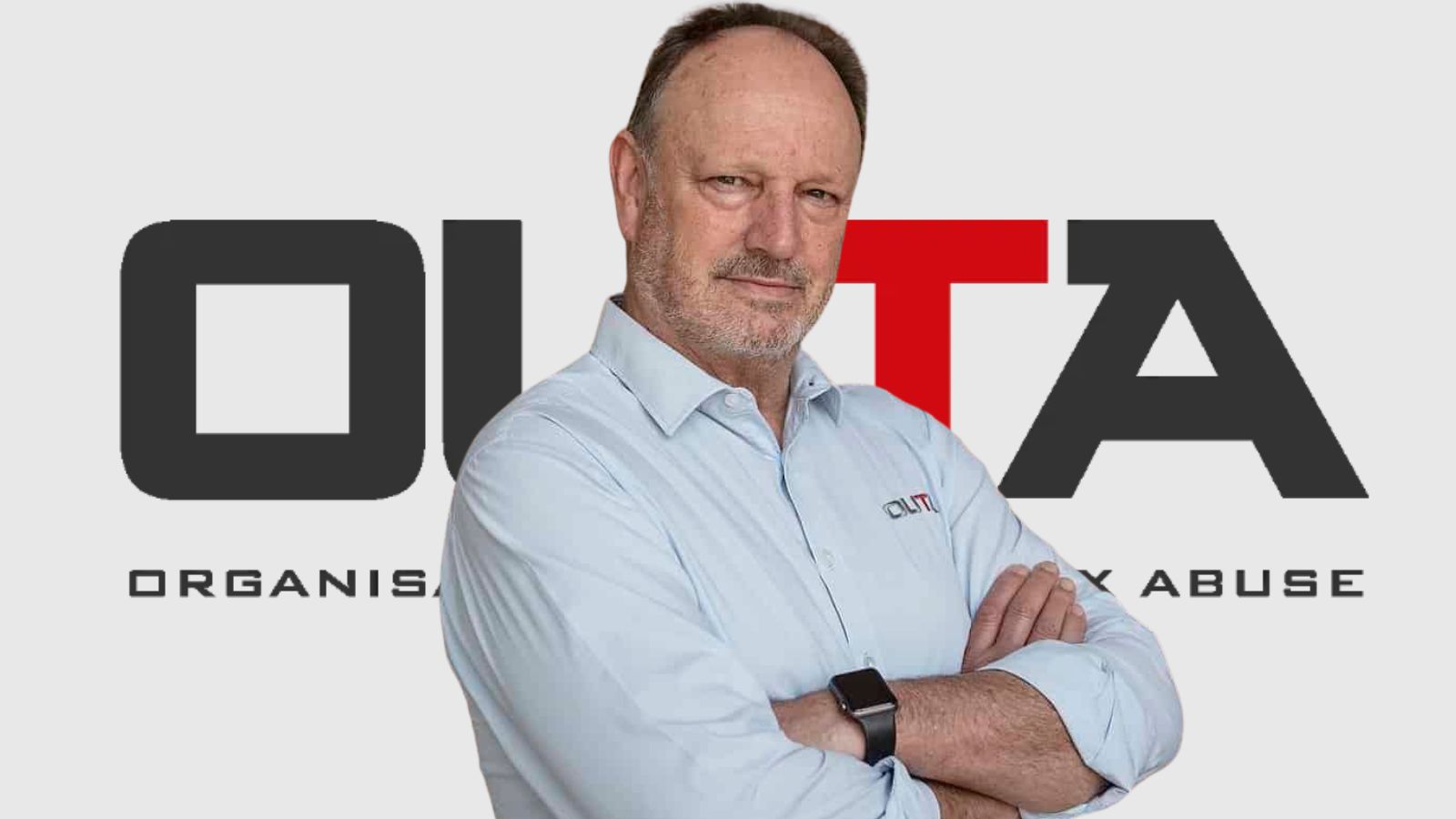
Duvenage said this proves that South Africans are not suffering because the state lacks resources, but because those resources are being diverted.
“There are more middlemen, but you get fewer RDP houses, fewer clinics, and no medicines,” he said.
He also warned that looting is often hidden inside complicated public-interest schemes. He pointed to e-tolls as one example of an “extractive system” disguised behind “a user pays principle” and “using technology.”
In reality, the scheme was designed to overcharge motorists, with what he said was 27% of revenue going to administration, rather than the global norm of about 10%.
The same pattern has appeared in energy policy, including the attempted powership deal during load shedding.
He argued that South Africans were almost locked into a deal of R240 billion for 20 years for power the country did not need, with layers of contractors and suppliers positioned to benefit.
His broader warning is that corruption doesn’t just steal money—it strips away freedom. “This cadre deployment and extractive process is a serious attack on our liberties,” Duvenage said.
As taxes rise, services fail, and households are forced to pay privately for security, electricity and basic infrastructure, citizens are left carrying the cost of a looted state.
However, he insisted South Africans are not powerless. “You, the people, have more power than you think,” he said.
The danger, he warned, is complacency. “The greatest danger is when we as citizens just become complacent, when we resign to the fact that this is our new reality.”
“Liberty is not protected by governments. It’s protected by people like you and me who refuse to stop asking the tough questions,” Duvenage said.

















 Loading ...