

The man who built a R250 million company and then lost it all in South Africa


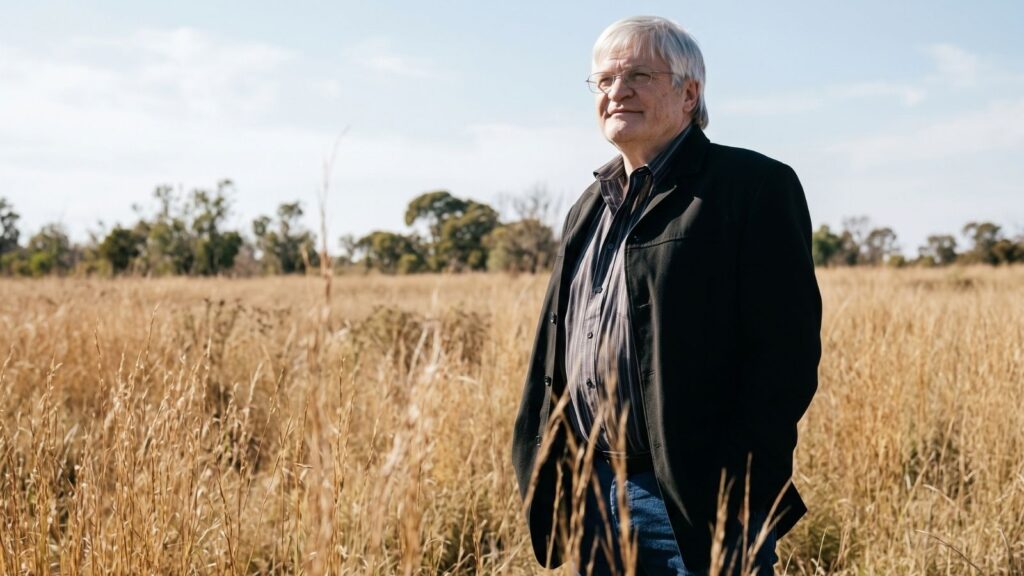
Barry Philip Lok built a company that was valued at the equivalent of R250 million in today’s money, and lost it all in five years.
Lok founded William Tell, which grew from a small joinery operation into a large manufacturer of wood-based panels, furniture and building components.
The company eventually became a JSE-listed business before expansion, debt and a severe liquidity crisis brought its operations to an end in 2012.
Lok’s entrepreneurial journey began while he was working as an auditor. In 1976, he started making furniture on the side, including three tables for a typist at his audit firm.
He later made built-in cupboards for a widow who was so pleased with the work that she gave him a bonus.
“I used that money to buy my first car together with a loan from my father,” he said in an interview with HOT Business.
Although auditing offered him a stable career, Lok was drawn to the process of making things himself.
“What drives me is visualising something, measuring it, designing it, making it, and installing it. I’m a builder by heart. And I think that’s what drove me to build,” he said.
At first, his ambitions were relatively modest. He wanted to establish a small workshop that could provide him with a living.
“My initial ambitions were just really to have my own little factory one day, and have my own little workshop and make enough money to live,” he said.
However, that ambition changed as William Tell grew. Lok travelled overseas, visited trade fairs, and toured large manufacturing plants, giving him a view of an industry that was far bigger than his original operation.
“My fascination grew. And that’s what drove me, just doing the next big thing,” he said.
William Tell eventually became a mass producer in the wood-based panel industry, manufacturing products including chipboard, particleboard and melamine-faced boards.
Its operations expanded into decorative surfaces, furniture and building components, with the company ultimately listing on the Johannesburg Stock Exchange.
Bigger isn’t always better
The listing gave Lok access to substantial capital. He said William Tell raised the equivalent of about R250 million in today’s money in 2007, alongside an equivalent loan from Nedbank.
The money was used to pursue a major investment in a new chipboard plant. However, the move from an entrepreneurial business to a listed company also changed how the business was run.
“The listing changed things so dramatically. From being an entrepreneurial-driven business right from 1980 all the way to 2007, all of a sudden, we had a committee directing the business. And that was, for me, very frustrating,” Lok said.
The aggressive expansion left the company exposed to significant financial pressure. Rising debt, expansion costs and the effects of the global financial crisis contributed to a severe liquidity crunch. By 2012, William Tell Industries had ceased operating.
The collapse cost Lok not only the business he had spent decades building, but also damaged important family relationships. He described the period as one of the most difficult points of his life.
“Having family turn on you at a very vulnerable moment in your life, where they should have gathered around you, essentially betraying me, and through that I lost my business for a number of months,” he said.
The experience also changed his thinking about involving family members in businesses, particularly when ownership and different approaches to growth are involved.
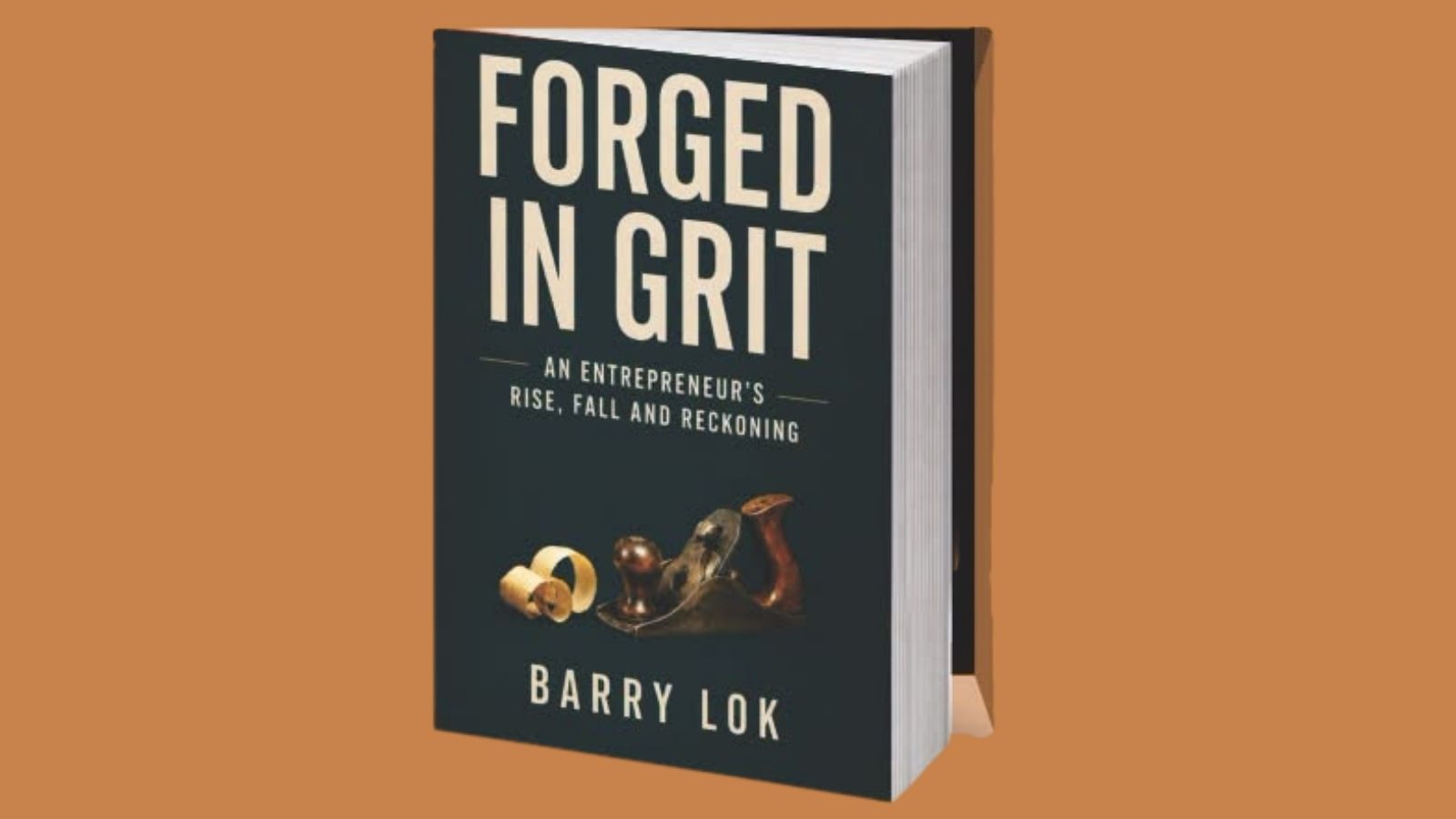
Rather than trying to simply move on from the experience, Lok eventually began documenting it. In February 2024, he started writing thoughts on his phone, which developed into his book, Forged in Grit: An Entrepreneur’s Rise, Fall and Reckoning.
“I had a lot of anger, a lot of hurt, a lot of self-doubt even. The process of writing this down opened up my way of thinking clearly again,” he said.
Lok said he is now comfortable with where he is, although relationships with his siblings remain strained. He hopes that confronting the events publicly may eventually help repair those relationships.













 Loading ...