

5 things you need to know in South Africa today
·14 Jul 2016


Here’s what is happening in and affecting South Africa today:
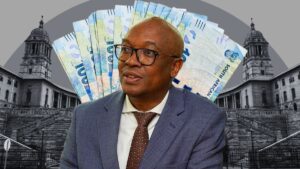
- President Jacob Zuma continues to deny that his appointment of Des van Rooyen to replace Nhlanhla Nene as finance minister in December had anything to do with the subsequent economic fallout. The president blames “speculative attacks” – referring to global shocks to the market. Economists, analysts and almost every financial group disagrees, saying that Zuma’s actions had a profound effect.
- South Africa may narrowly avoid a technical recession in the first half of 2016 thanks to retailers showing an uptick in sales data. South Africa’s economy contracted by 1.2% in the first quarter of the year, with analysts fearing the second quarter would show a similar trend. However, with manufacturing data and now sales data showing larger growth than expected, things are looking far more positive.
- South Africa’s rand backtracked on Wednesday as global demand for risk assets eased and investors held off making major bets ahead of policy decision by the Bank of England. Stocks were slightly higher, in line with emerging markets as investors’ continued search for higher yields helped equities hold on to recent gains. On Thursday the rand was trading at R14.37 to the dollar, R19.03 to the pound and R15.98 to the euro.
- In global news: Asian shares remained near an eight-month high on Thursday as investors bet the Bank of England will cut rates to ward off recession following Britain’s vote to leave the European Union.U.S. stocks ticked up on Wednesday, just enough for the S&P 500 and Dow industrials to set record highs.
- Crude prices rose on Thursday to recoup some of their big losses from the previous session, but gains are likely to be limited by mounting concerns the global glut in oil is not going away soon after two major agencies issued bearish reports. Brent crude was up 44 cents at $46.70 a barre. U.S. crude rose 43 cents to $45.18 a barrel.
In other news: Seven months later, and former finance minister Nhlanhla Nene has still not been approached for any job related to the BRICS bank – the job he was told he was losing the position over.
















 Loading ...