

Major international companies accused of price fixing in South Africa


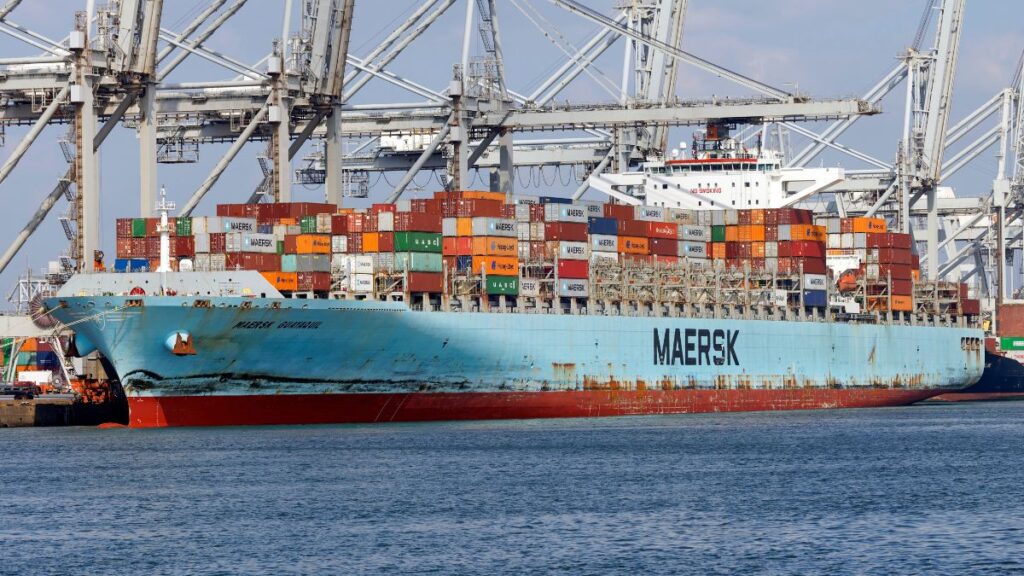
Eight cargo shipping companies have been referred to the Competition Tribunal for alleged price fixing.
These shipping companies include Maersk, Mediterranean Shipping Company (MSC), CMA CGM, Pacific International Lines, Mitsui, Evergreen, COSCO, and K Line Shipping.
The companies allegedly fixed rates for the transportation of goods between Durban and several Asian cities between 2008 and 2018.
The Competition Commission stated that these shipping liners are alleged to have been involved in fixing rates, known as General Rate Increases (GRIs), over a period of more than a decade.
These rates are charged to customers for the shipment of general cargo en route from South Africa to Asia and back, as well as to and from South Africa and West Africa.
“The Commission’s investigation found that the respondents charged the same GRI for the routes from Shanghai, Ningbo and Shekou to Durban, from Durban to Hong Kong, and from Qingdao to Durban,” the Commission said.
Makgale Mohlala, head of the Cartels division at the Competition Commission, explained that the Commission has been investigating the matter for some time now.
According to Mohlala, the Commission is confident it has enough evidence to move forward.
“We have come to a point where we are satisfied that the evidence we have is enough for the Commission to secure a conviction against these companies for price fixing,” he said.
While identical pricing raised the first red flags, Mohlala stressed that investigators uncovered more than just suspiciously similar quotes.
“Of course, we wouldn’t refer it if there was no such kind of evidence in addition to the pricing,” he noted.
“We do have evidence, and it’s pleaded in the documents, so they now know what we have against them.”
The investigation began in 2016 after a customer approached the Commission with concerns.
Mohlala explained that the customer received price-increase letters from multiple shipping firms, all showing the exact same increase, and was refused a discount by all of them.
The Commission then initiated the investigation, which led to a dawn raid at several major operators.
“We seized a lot of documents as well as electronic data. We have been analysing this. It’s quite voluminous with the limited resources we have, but we managed to crack it,” Mohlala said.
It’s possible that they have not stopped
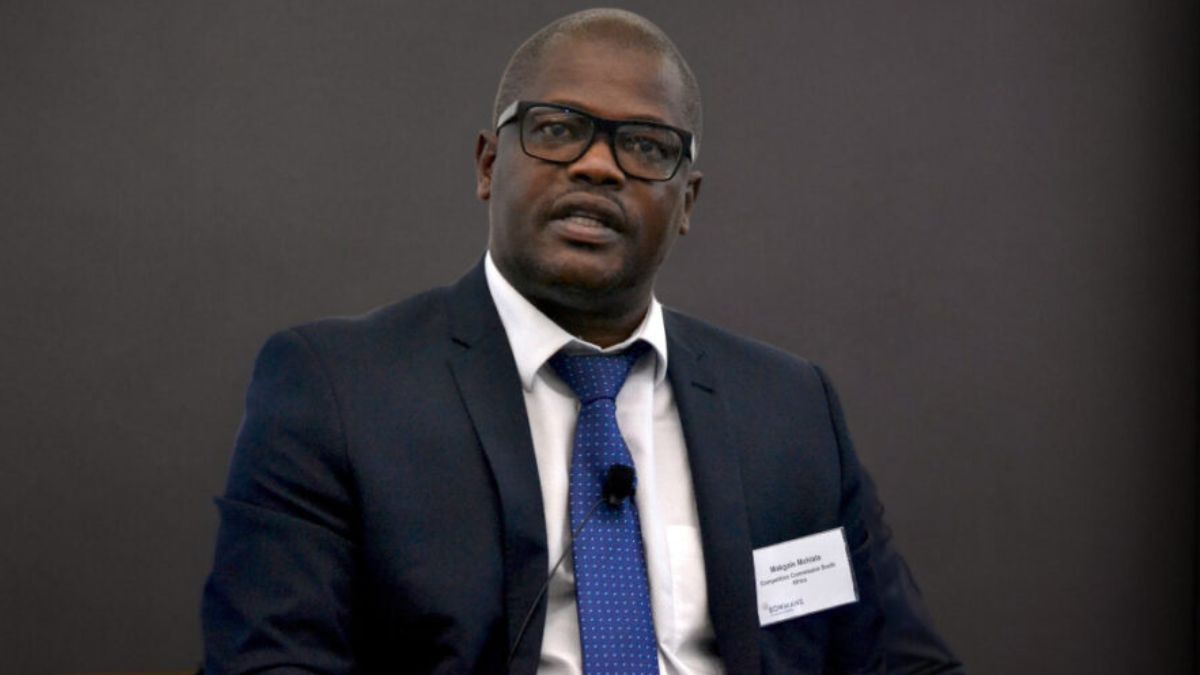
Asked why the case has taken years to finalise, Mohlala said the scale and complexity of the investigation made it unavoidable.
“It’s simply not easy,” he said. “You can say, well, I’m not cracking it, I’m dropping the investigation, or I’m continuing because I’m getting a glimpse of a problem. I’m limited by resources, but I keep on going.”
The Commission is also not convinced that the conduct necessarily ended in 2018.
“It’s possible that they have not stopped. As part of the prosecution, we will reach the point where we request discovery, allowing us to assess whether they stopped in 2018 or continued.”
Because the companies involved are large international operators, questions have been raised about whether similar behaviour could have occurred elsewhere.
Mohlala said this remains unclear. “We suspect… but we don’t know,” he said. While the investigation in South Africa focuses on local subsidiaries, he noted that global firms often behave differently across jurisdictions.
“Sometimes they decide which jurisdiction they want to respect and which one they don’t want to respect,” he said.
“Those that they respect, they’ll get exemptions, and jurisdictions that they don’t respect, they’ll just do as if it is allowed.”
Given this, Mohlala said it would not be surprising if the same conduct appeared in other markets. “We suspect that if they’re doing it here, they’re doing it somewhere else,” he said.















 Loading ...