

International giant building R2 billion factory in the best-run municipality in Gauteng


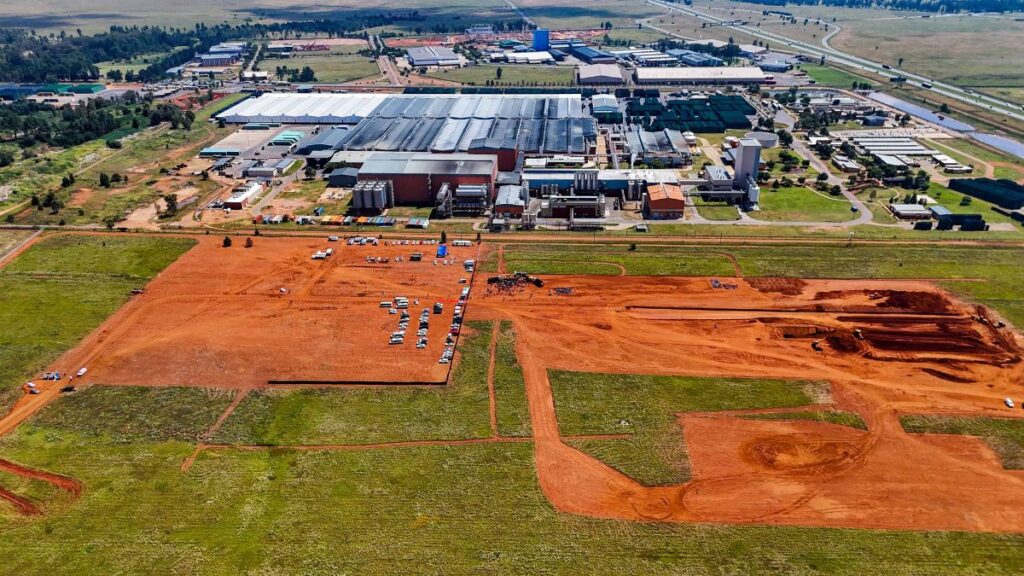
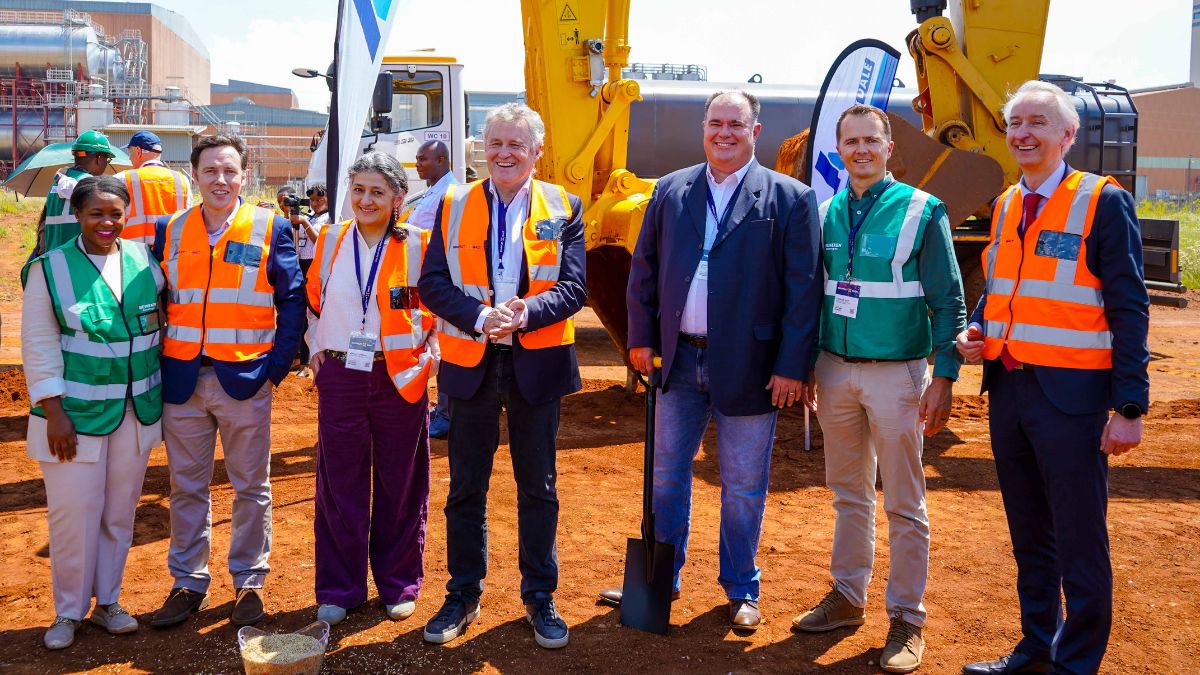
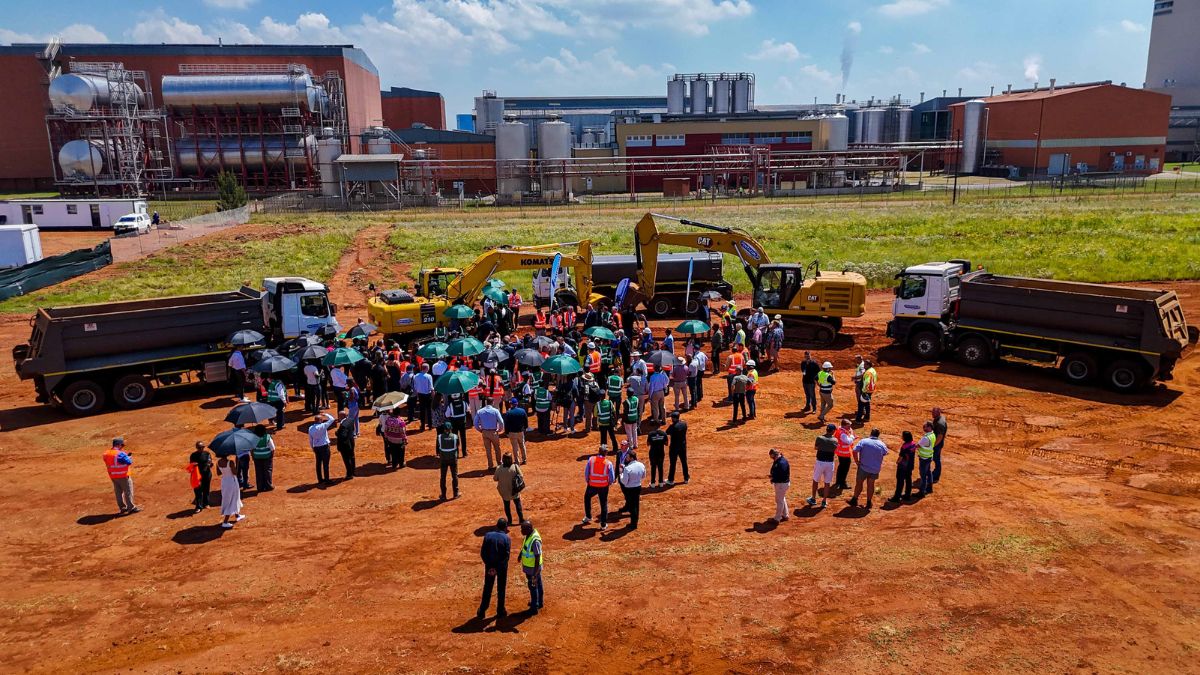
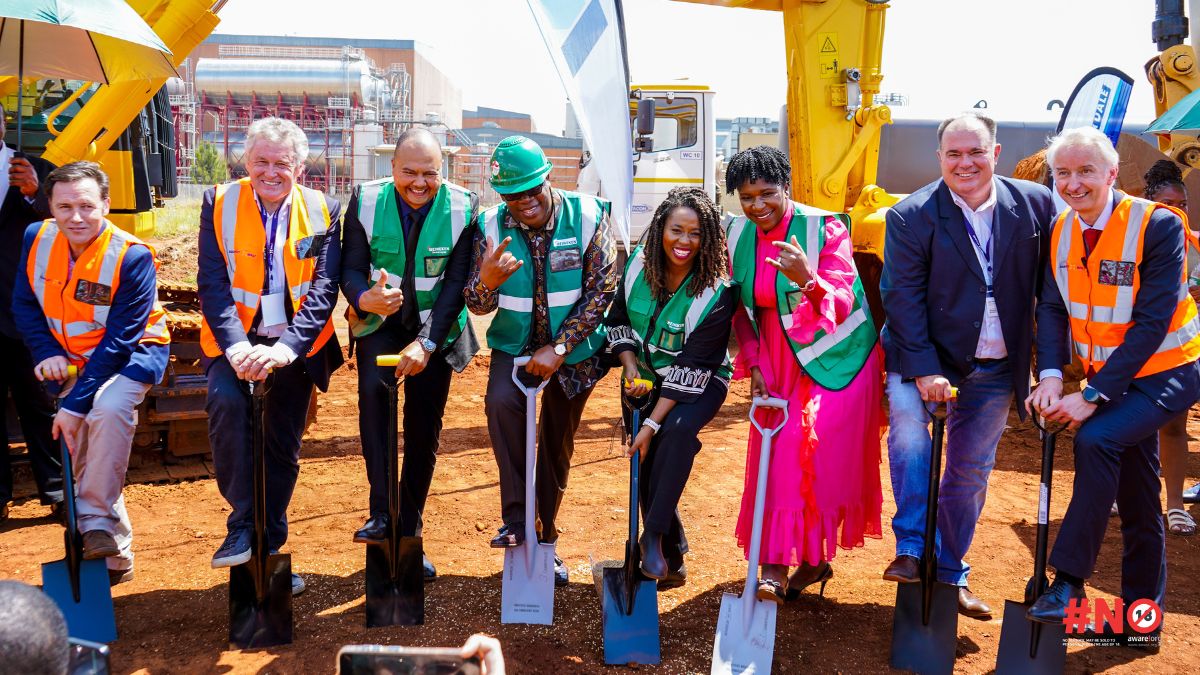
An international giant has broken ground on a R2 billion investment in South Africa, a new malting facility in Midvaal, widely regarded as the best-run municipality in Gauteng.
The project by Soufflet Malt, one of the world’s largest malt producers, is a major vote of confidence in South Africa’s agricultural and brewing sectors at a time when large-scale industrial investments remain rare.
Soufflet Malt is the world’s leading maltster, with 40 malting plants across 20 countries in Europe, Asia, Africa, Australia and America.
With more than 2,300 employees, Soufflet Malt has a production capacity of 3.7 million tonnes of malt annually to meet customer demand.
These customers include large, global breweries and artisan craft brewers, distillers and other industrial players around the world.
The €100 million (R2 billion) facility is being developed next to Heineken Beverages’ Sedibeng Brewery, south of Johannesburg, following a commercial partnership signed between the two companies in March 2025.
Once operational, the plant will supply malt directly to Heineken’s South African brewing operations, which produce brands including Heineken®, Amstel Lager, Sol and Windhoek.
The malting facility is expected to have an annual production capacity of about 100,000 tonnes and will ultimately source all of its barley from local farmers.
Construction is being undertaken by Abbeydale Projects and is scheduled to continue through 2026, with commissioning planned for mid-2027.
During operation, the plant is expected to create 55 permanent jobs, support hundreds of farmers across the country, and generate between 200 and 300 indirect jobs in agriculture, logistics and related services.
Soufflet Malt has positioned the project as a cornerstone of its global MALTiply 2030 strategy, which focuses on sustainable malt production using advanced technology and low-carbon design.
The Midvaal facility is set to become the most technologically advanced malthouse in South Africa and is expected to produce around 50% fewer emissions than the industry average through the use of trigeneration.
Its location alongside the Sedibeng Brewery will also allow malt to be transferred via conveyors rather than trucks, reducing transport emissions and lowering operating costs.
Soufflet Malt chief executive Jorge Solis said the investment reflects long-term confidence in South Africa’s agricultural potential.
“This project is a strong vote of confidence in South Africa’s agricultural sector and will strengthen South Africa’s brewing value chain,” he said.
Supporting local agriculture and long-term economic growth
A key component of the investment is its focus on farmer development and inclusive participation.
Since 2018, Soufflet Malt and Heineken Beverages have been working with both commercial and emerging farmers to build a reliable local barley supply.
This groundwork has included agronomy programmes offering training, mentoring and commercial support to help farmers adopt best-practice methods and consistently produce high-quality barley at scale.
Through a partnership with Heineken Beverages and the Industrial Development Corporation (IDC), emerging farmers will also have access to funding for agricultural equipment.
Heineken Beverages managing director Jordi Borrut said the malthouse demonstrates the brewer’s global Brew a Better World 2030 strategy in action.
He said sourcing barley locally and producing malt alongside the brewery would reduce imports, cut transport emissions and build a more resilient, lower-carbon supply chain, while supporting local agriculture and long-term economic growth.
The IDC said the investment would help deepen South Africa’s agricultural and industrial value chains while enabling black emerging farmers to participate meaningfully in high-value markets.
The development is expected to contribute to job creation and rural development, particularly in barley-producing regions such as the North West.
The choice of Midvaal as the site for the R2 billion facility is also notable. The local municipality is widely regarded as the best-run in Gauteng, having maintained a clean audit since the 2019/20 financial year.
According to the Auditor-General of South Africa, Midvaal has achieved clean audits for eleven consecutive years, an uncommon level of consistency in local government.
A clean audit means the municipality’s financial statements contain no material errors and that its reporting is compliant with legislation, providing a measure of how well it manages public funds and basic administration.
Midvaal forms part of the Sedibeng District Municipality and is home to just over 112,000 residents across towns including Meyerton, Randvaal, Daleside, Henley-on-Klip, Walkerville and De Deur.
R2 billion malting facility in Midvaal














 Loading ...