

Dark clouds for alcohol consumers and producers in South Africa


President Cyril Ramaphosa has announced a new government push to curb alcohol use in the country, which will impact both consumers and producers of these products.
Speaking in his 2025 State of the Nation Address (SONA), Ramaphosa said the state was forging ahead with several interventions, with many more on the way.
This was to tackle the many “social ills” that resulted from the abuse of alcohol, such as the stunting of childhood development, a high number of road traffic deaths, as well as violence and crime.
“A major contributor to child stunting is excessive alcohol consumption, which can affect a child’s development during pregnancy. Alcohol abuse leads to violence, road accidents and crime,” he said.
“To address this scourge, we call on provincial governments to strengthen the regulation of alcohol.”
Some of the key interventions mentioned by the president include:
- Limiting the density of liquor outlets
- Restricted trading hours
- Ending the sale of alcohol in large containers
- Curbing use through minimum unit pricing
- Raising excise duties on alcohol
- Imposing greater restrictions on alcohol advertising
While some of these measures are immediately actionable, others will take time and play out through consultation with stakeholders, he said.
Notably, the president’s intention to clamp down on alcohol consumption follows similar signals by other government departments.
The Department of Transport, for example, recently expressed its intention to reduce the allowable blood alcohol limit while driving down to zero.
DoT Minister Barbara Creecy laid out plans for a total ban on drinking and driving in South Africa, calling for the law to be implemented by the Easter holiday period.
This was endorsed by the Portfolio Committee on Transport.
The plan is in the context of the latest road crashes and fatality data for the 2025/26 festive season, which revealed that while cases reduced by 5% over the period, instances of alcohol abuse shot up.
Dome 8,561 drivers tested positive for alcohol consumption – an increase of 144% from the same period last year.
The department announced that it will therefore begin amending section 65 of the National Road Traffic Act to implement a zero-tolerance policy on drinking and driving.
The EFF also submitted a bill in September 2025 seeking a complete ban on alcohol advertising in the country. Lobby groups are also pushing for the legal drinking age to be raised to 21 or even 23.
Businesses will be hit hard
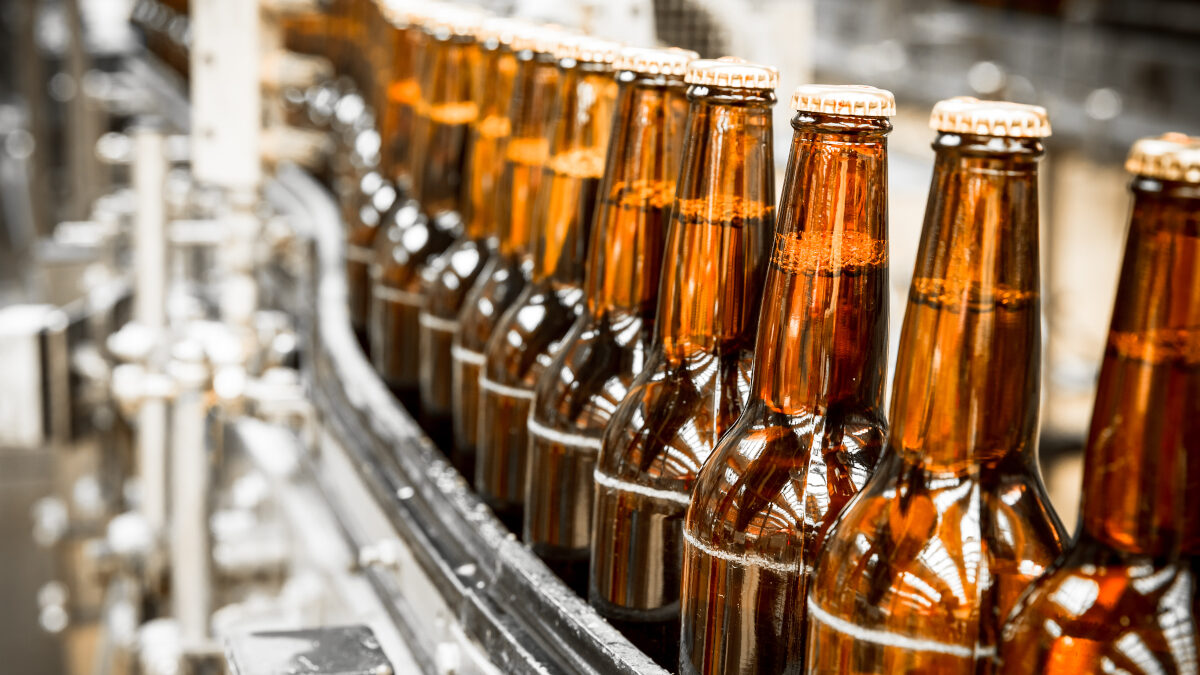
The president’s address also signalled to businesses in the alcohol industry that tough times are coming, with the first major blow expected later this month.
Finance Minister Enoch Godongwana will table the 2026 Budget on 25 February, with so-called “sin taxes” back in the crosshairs for targeted hikes.
The National Treasury has historically leaned heavily on excise duties on tobacco and alcohol products, typically raising taxes well above inflation.
In 2025, these sectors were hit with above-inflation increases of 4.8% for tobacco and 6.8% for alcoholic beverages.
This included malt beer, unfortified and fortified wine, sparkling wine, ciders, alcoholic fruit beverages, and spirits.
Ahead of the budget speech, industry groups such as the Beer Association of South Africa have been calling on the government to avoid above-inflation tax hikes. However, this now seems inevitable.
“Above-inflation increases place further pressure on already thin margins, stall investment, and undermine long-term planning across the beer value chain,” the group said.
It noted that beer producers’ input costs have risen faster than inflation for several years, with the additional tax burden thinning margins, limiting expansion, delaying recovery, and placing small brewers under particular pressure.
Not only do these hikes and regulatory pressures harm legitimate businesses, but they also push consumers to illicit traders and the black market, it added.
“The reality is that beer companies — large and small — already carry a double tax burden: corporate income tax and excise duty,” it said.
While the government may argue that excise is meant to influence consumption, the data show a more troubling outcome.
“Beer is largely consumed by middle- and lower-income South Africans who are already under severe financial pressure,” it said.
“Continued price increases on legal beer do not meaningfully curb consumption — they simply shift demand toward cheaper, unregulated, and unsafe alternatives.”
















 Loading ...