

Thousands of jobs saved from retrenchment after Eskom cuts electricity prices


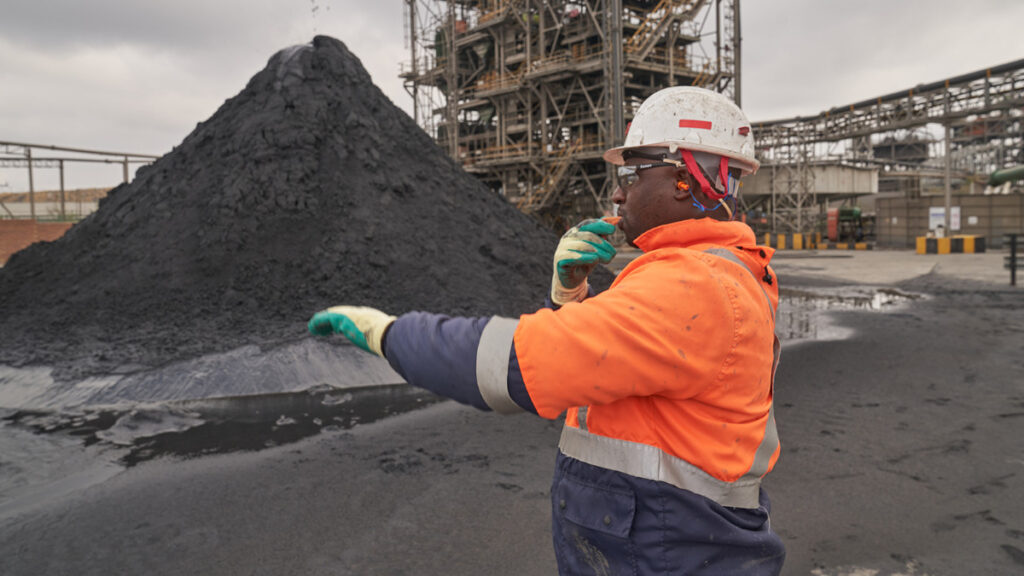
Merafe Resources has confirmed that its Section 189 retrenchment process at the Glencore-Merafe Chrome Venture has been called off following Eskom’s agreement to cut electricity prices.
The National Energy Regulator of South Africa (NERSA) has allowed for a new electricity tariff of 62 cents per kWh for ferrochrome smelters.
In 2025, the joint venture began its Section 189 retrenchment process, noting that it couldn’t operate under the power tariffs at the time, which it claimed were the biggest pressure point.
Glencore then announced that it would idle the Boshoek and Wonderkop smelters. Trade union Solidarity warned that a large chunk of the venture’s 2,400 employees were affected by the retrenchment process.
In December 2025, Eskom signed a Memorandum of Understanding (MoU) with Samancor Chrome and the Glencore–Merafe Chrome Venture. Samancor Chrome also planned to retrench 2,500 staff members.
The MOU was dependent on an interim tariff adjustment for the smelters, with the ferrochrome smelters agreeing to suspend their Section 189 processes for the period.
Eskom and NERSA then approved a 12-month interim electricity tariff of 87.74 cents per kWh. While this was enough to temporarily halt the retrenchment processes, the smelters said that more needed to be done.
While the Glencore–Merafe venture was able to return some of its smelters to operation with the short-term tariff, it warned that it needed 62 cents per kWh for longer-term sustainability.
Either way, the tariffs that the ferrochrome smelters face are far less than what households in the country have to pay. Households generally spend R2 per kWh.
As reported by Business Day, Eskom Group CEO Dan Marokane previously warned that negotiated electricity pricing discounts for energy-intensive firms will ultimately mean the costs fall on households.
Nevertheless, Eskom would agree to the 62 cents per kWh tariff with the ferrochrome smelters in April, subject to Nersa approval.
Marokane said that Eskom would not have been able to support the ferrochrome industry or play a role in preventing job losses without the utility’s turnaround over the last three years.
With South Africa having not experienced load shedding in over a year, the CEO said that the consistent baseload electricity supply from Eskom is the only available source of energy for energy-intensive users.
Jobs saved

NERSA initially held a public participation process on the tariff on 25 May 2026, and the final decision in respect of the Proposed Tariff would be published by 15 June 2026.
However, the joint venture requested that the submission be made by the end of May 2026, and the regulator agreed. The approval of the 62 cents per kWh tariff has now been agreed.
“Discussions with Eskom are ongoing to finalise the detailed terms and conditions of the Negotiated Price Agreement to give effect to the Proposed Tariff,” said Merafe Resources.
“These terms remain critical in determining the commercial viability and long-term sustainability of the tariff solution.”
It confirmed that the Section 189 process has been withdrawn, which marks a “further step towards stabilising operations and progressing the phased restart of the business.”
The venture said that it will now engage with Eskom and other stakeholders to conclude the discussions that ensure a sustainable future for ferrochrome production.














 Loading ...