

Sasol sings as war sends oil profits surging


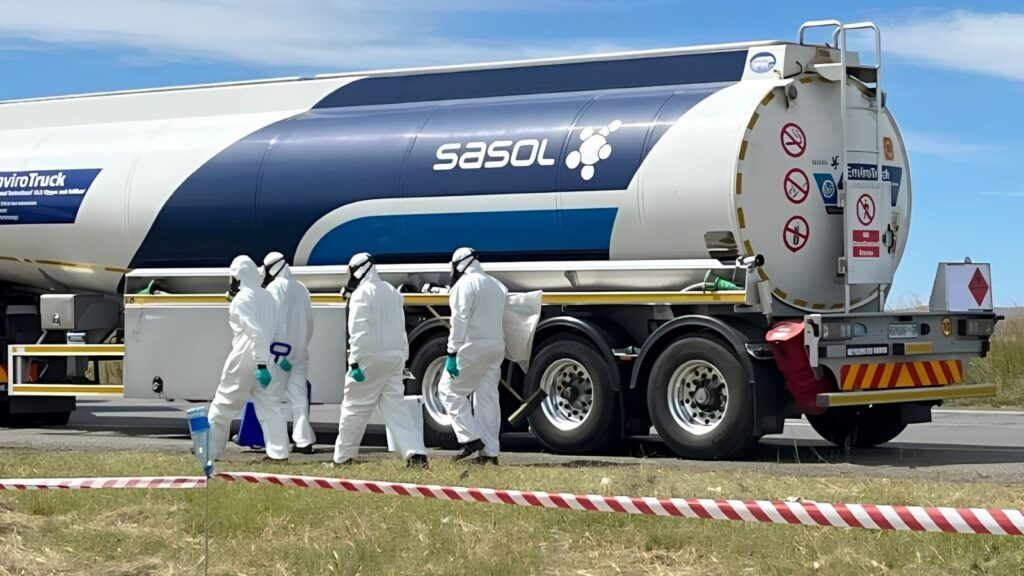
Sasol has reported over R14 billion in profit for the last financial year, as higher global oil prices boosted the company’s returns.
Sasol is South Africa’s sole inland fuel producer and one of the country’s two fuel suppliers, operating the NATREF and Secunda oil refineries.
Founded in 1950, the company started its operations in Sasolburg, where its NATREF facility is located today.
Sasol is one of two refiners in the country, with Astron Energy operating a facility in Cape Town since 2018.
The company’s Secunda operation is one of the only coal-to-liquid refineries in the world, helping the country lessen its reliance on global crude oil.
In its latest financial results, Sasol reported a year-on-year increase in profits of approximately R6.7 billion, to R14.5 billion.
This represents a R58 billion turnaround for the company, following its R44 billion in losses for the 2024 financial year.
Sasol’s overall turnover was R272 billion for the year, up from R249 billion in the previous reporting period.
In its earnings before interest and taxes (EBIT), the company reported losses across several areas, including its mining operations, gas sales, and its chemicals business in South Africa.
In contrast, Sasol’s fuel operations saw its EBIT increase by over 100% to R19.9 billion, supported by global fuel price increases and improved performance at key refineries.
At its Secunda facility, production volumes increased by 8%, which Sasol attributed to improved equipment availability and better coal quality.
NATREF production was 76% higher year-on-year, aided by improved operational reliability and the utilisation of Prax, a British energy conglomerate.
Its liquid fuels sales rose by 13%, supported by improved reliability at its two refineries and higher demand in commercial and mobility channels.
Basic earnings per share rose for Sasol by 79% to R18.99, while headline earnings per share increased to R38.31.
The war in Iran
Sasol’s operations have been boosted since the end of February 2026, after the outbreak of the war in Iran.
The conflict between the U.S. and Iran triggered the closure of the Strait of Hormuz, a critical supply channel for the world’s oil trade.
The closure of the Strait led to major shocks to global oil prices, which peaked at over $100 per barrel and have consistently remained above pre-war levels.
While the oil price shocks were bad news for many consumers, Sasol was able to sell its fuel products at higher prices, without large exposure to the conflict in the Middle East.
The company’s coal-to-liquid refineries rely on local coal deposits to function, limiting the reliance on crude oil imports.
Investors noticed Sasol’s strong position following the start of the war in Iran, with the company’s share price jumping in the weeks that followed.
Between 2 March 2026 and 16 March 2026, the two weeks following the start of the war, Sasol’s share price rose from R14.45 to R19.52.
While the company has continued to see strong financial performances, it has increasingly come under pressure from environmental groups over its carbon emissions.
Sasol’s refineries are some of the largest carbon dioxide producers in the world, and a recent study has linked them to approximately 1,000 deaths per year.
The study noted that Sasol is one of the two largest polluters in South Africa, alongside Eskom, and that it currently has exemptions from the country’s pollution laws.
Alongside its large environmental impact, the company produces roughly a third of the country’s fuel and is one of the largest single contributors to its GDP.
Sasol financial results
| Year ended 30 June 2026 | Year ended 30 June 2025 | |
| Revenue | R272 billion | R249 billion |
| Profit | R14.5 billion | R7.7 billion |
| Basic earnings per share | R18.99 | R10.60 |
| Diluted earnings per share | R18.73 | R10.54 |
| EBIT | R25.7 billion | R18.8 billion |


















 Loading ...