

Here is the expected petrol price for September


Mid-month data from the Central Energy Fund (CEF) shows that motorists in South Africa are in for pain at the pumps next month, as the resurgence of war in the Middle East batters oil markets.
According to the CEF’s data, petrol prices are showing an under-recovery of between 63 and 74 cents per litre.
Diesel prices, meanwhile, have a much larger under-recovery of R2.73-R2.89 per litre, with the impact from the Middle East exacerbated by strain on global diesel supplies.
The only consolation in the mid-month data is that the under-recoveries have pulled back from higher levels at the start of the month.
The September review period started with petrol under-recoveries around R1 per litre, and diesel at about R5 per litre.
However, the easing of recoveries is little comfort to motorists, who have been paying R5.50 and R8.50 more per litre for petrol and diesel since the start of the war.
At current recovery levels, this will increase to over R6 and R11 per litre, respectively.
These are the recoveries at mid-month:
- Petrol 93: increase of R0.63 per litre
- Petrol 95: increase of R0.74 per litre
- Diesel 0.05% (wholesale): increase of R2.73 per litre
- Diesel 0.005% (wholesale): increase of R2.89 per litre
- Illuminating paraffin: increase of R2.15 per litre
With half the month still to go, the recovery data can change—as seen in the swing from positive to negative in July—but at this point, the hikes are much more likely.
According to Investec Chief Economist, a stronger rand versus the dollar and oil prices sticking under $90 a barrel have spurred some sentiment that recoveries will be flat by the end of the month.
However, this is entirely contingent on the United States-Iran War and whether the two nations can move towards peace.
To this end, Bishop said that a near-term peace deal is seen as unlikely.
Oil prices are currently trading at $88 a barrel, having fluctuated wildly over the past few weeks as markets digested developments in the war.
After a period where it appeared that the United States and Iran would find a peaceful outcome to the conflict, talks between the two collapsed in mid-July.
This led to the Strait of Hormuz being shut down once again, sending oil prices shooting up to $100 a barrel.
The price eased after some shipping through the Strait managed to continue, but the critical passageway is not yet open.
Markets in wait-and-see mode
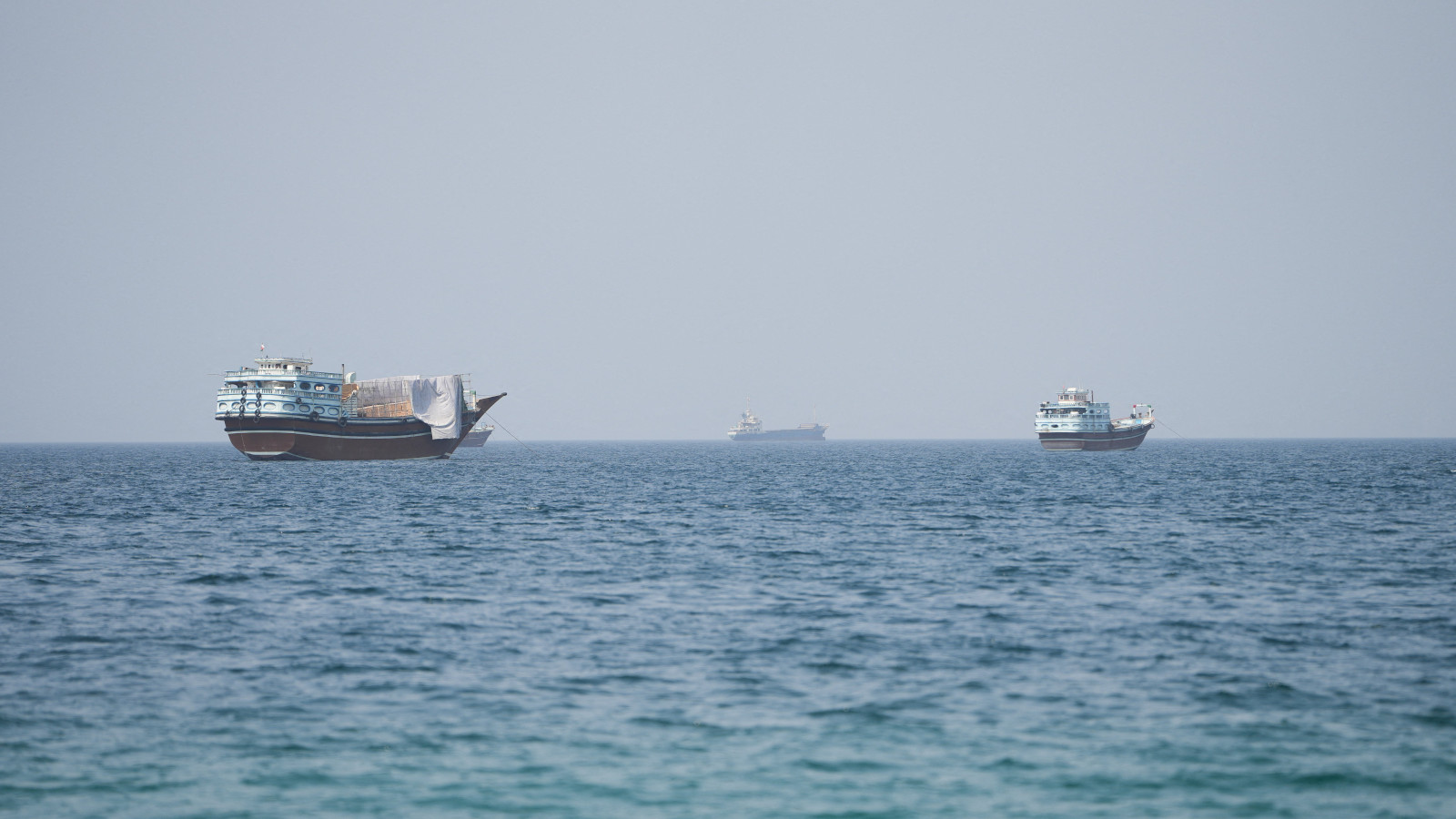
According to Bloomberg reports, Iran has been in talks with Oman about reopening Hormuz, but they’ve yet to strike a deal despite optimism earlier this week that an agreement was within reach.
Those efforts have likely been complicated by a hardening stance between Tehran and Washington, with President Donald Trump making sweeping new demands.
US Energy Secretary Chris Wright told Fox News that the capacity of US forces to escort ships through the strait is increasing, allowing flows to rise.
Tankers are often crossing with their transponders switched off in an effort to avoid targeted strikes, but transits remain risky.
Analysts have noted that, until another major development emerges, oil prices will likely remain in an $80-to-$90 range.
The other side of the local fuel-recovery picture is much more positive, with the rand strengthening against the dollar, cutting the under-recovery in price by around 10 cents per litre.
Currently trading at R16.20 to the dollar, the rand has gained on US profit-taking after its most recent jobs and inflation data cut expectations of interest rate hikes.
This followed the South African Reserve Bank also holding on local interest rates at the end of July, with prospects of a hike in the near-term diminishing as well.
According to Investec’s scenario projections, the rand is likely to remain in this resilient position over the near-term and strengthen further by year-end.
In the group’s baseline scenario, with a peaceful outcome to the Iran War, the rand could push under R16/$ again, with a move to R15.75/$ on the cards.
However, should the downside scenario occur, continued global pressures could send the unit in the opposite direction.
This is how the price changes are expected to reflect at the pumps (Diesel prices reflect wholesale, pump prices will differ):
| Inland | August Official | September Expected |
| 93 Petrol | R25.42 | R26.05 |
| 95 Petrol | R25.58 | R26.32 |
| Diesel 0.05% (wholesale) | R26.17 | R28.90 |
| Diesel 0.005% (wholesale) | R26.90 | R29.79 |
| Illuminating Paraffin | R18.76 | R20.91 |
| Coastal | August Official | September Expected |
| 93 Petrol | R24.63 | R25.26 |
| 95 Petrol | R24.71 | R25.45 |
| Diesel 0.05% (wholesale) | R25.30 | R28.03 |
| Diesel 0.005% (wholesale) | R25.64 | R28.53 |
| Illuminating Paraffin | R17.70 | R19.85 |
Post-Iran War price adjustments
| Month | Petrol 95 | Diesel 0.005% |
|---|---|---|
| March | +R0.20 | +R0.65 |
| April | +R3.06 | +R7.51 |
| May | +R3.27 | +R5.27 |
| June | +R1.43 | -R2.62 |
| July | -R1.96 | -R3.59 |
| August | -R0.52 | +R1.23 |
| Total difference | +R5.48 | +R8.45 |
| September (current recovery) | +R0.74 | +R2.89 |
| Projected difference | +R6.22 | +R11.34 |


















 Loading ...