

Nersa admits some households owed refunds for paying unlawful electricity tariffs


South African households and businesses could be owed refunds after the National Energy Regulator of South Africa (NERSA) admitted in the High Court in Pretoria that some electricity tariffs it approved were unlawful.
The regulator formally conceded in its court papers that tariffs approved for Johannesburg, Ekurhuleni and Nelson Mandela Bay metropolitan municipalities, as well as Emfuleni and Madibeng local municipalities, were based on calculations containing errors.
NERSA also acknowledged that it had approved the tariffs without properly checking the figures submitted by the municipalities for the 2025/26 financial year.
The problem was highlighted during court proceedings on 9 November, when it emerged that businesses in Nelson Mandela Bay were charged 76% more for electricity than it cost the municipality to provide the service.
The court must now consider how affected consumers should be compensated and how the unlawful tariffs should be corrected.
Ekurhuleni, which has strongly opposed the legal applications challenging its electricity tariffs, argued that it could not afford to refund customers.
Mpact, one of the parties challenging the tariffs, proposed that any adjustments should initially be limited to the parties involved in the court proceedings.
However, NERSA argued that this would unfairly exclude other consumers who had also paid unlawful tariffs. It said any corrections should apply to all electricity customers in the affected municipalities.
The regulator also asked the court to allow municipalities to phase in tariff corrections over several years, similar to the adjustments used when correcting Eskom’s tariffs, to avoid financial shocks.
Melanie Veness, CEO of the Pietermaritzburg and Midlands Chamber of Business, agreed that customers who overpaid for electricity must be compensated through credits on their accounts.
In an interview with The Money Show, she said the chamber has been involved in a lengthy legal battle over municipal electricity tariffs, arguing that municipalities have failed to properly account for how they manage their electricity businesses.
“You pay the excessive charges, the municipalities don’t spend the money on the electricity functions, so you’ve got failing infrastructure and the costs associated with that,” she said.
Municipalities advise members to continue paying their bills
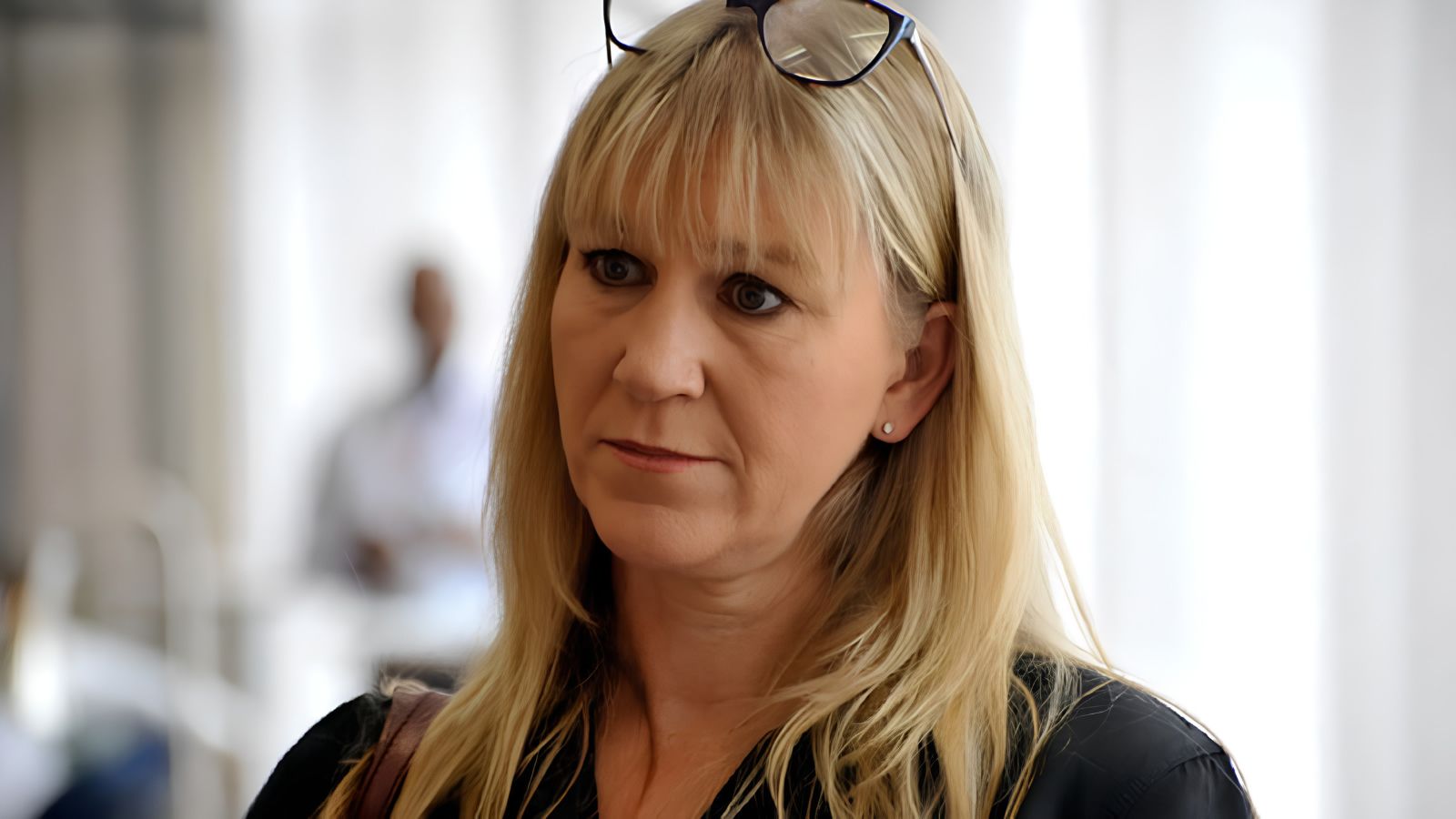
Veness said municipalities were continuing to charge excessive tariffs while failing to allocate sufficient money to electricity infrastructure, staff and spare parts.
The chamber, together with the Nelson Mandela Bay Business Chamber, took legal action to force municipalities to submit cost-of-supply studies showing the actual costs of operating their electricity businesses.
These studies provide information about municipal expenditure and revenue requirements, which are used to determine the tariffs customers pay.
Veness said municipalities could inflate their required revenue by overstating expenditure and understating the income generated through their ordinary electricity operations.
“That’s why you see a barrage of cases now. It’s because we’re able to make this information visible and obtain some accountability in the system,” Veness said.
She argued that consumers should not be forced to carry the financial consequences of municipalities and the regulator failing to ensure that tariffs were lawfully calculated.
“They need to be compensated. They need to enjoy the credits for the overpayments that they’ve made,” she said.
The chamber is already pursuing credits for members affected by unlawful tariffs through a court order requiring the relevant municipality to adjust their accounts.
It has also submitted formal disputes on the affected accounts, with members deducting the amounts they believe are owed from their monthly electricity bills.
Veness said the municipality had been warned that disconnecting electricity while the disputes remained unresolved would be unlawful.
The chamber was also prepared to approach the High Court for an urgent interdict if disconnections were threatened.
The municipality had advised members to continue paying their bills and indicated that credits would be applied once the matter was resolved.














 Loading ...