

Nuclear power station to be built next to exclusive town known as ‘Little Venice’ in South Africa


A new nuclear power station will be built next to the exclusive coastal town of St Francis Bay, popularly known as “Little Venice”.
The plan has moved a step closer, with Eskom completing preliminary public consultations for the proposed development.
The proposed nuclear power station at Thyspunt, between Oyster Bay and Cape St Francis in the Eastern Cape, forms part of the government’s latest Integrated Resource Plan (IRP), published in 2025.
The plan provides for the development of 5,200 MW of new nuclear generating capacity in South Africa.
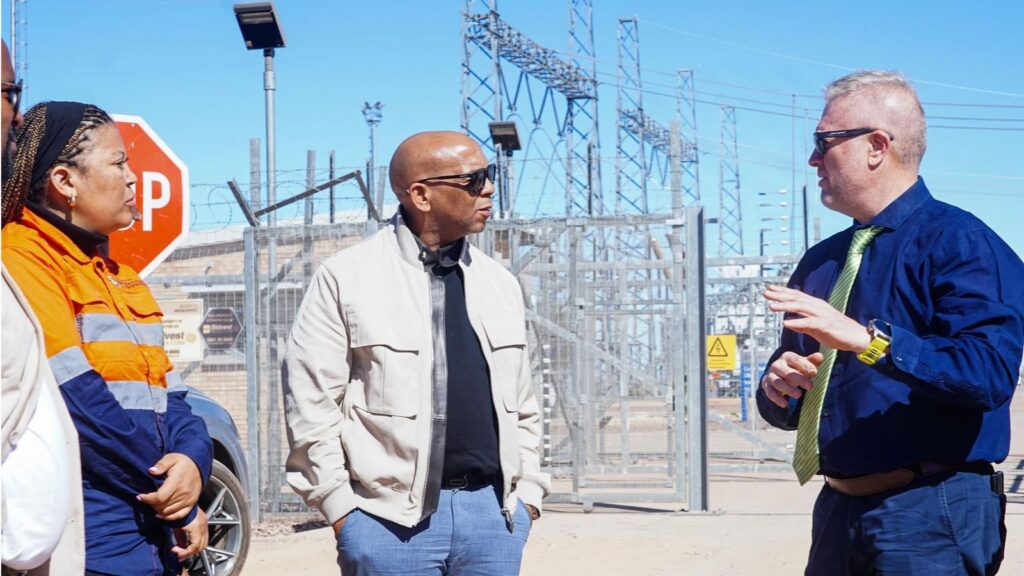
Electricity Minister Kgosientsho Ramokgopa confirmed that Eskom had completed the preliminary public participation activities required to begin the environmental impact assessment process.
Responding to a parliamentary question from MP Edwin Baptie, Ramokgopa said the environmental and nuclear regulatory processes were still underway.
“The environmental impact assessment and the nuclear regulatory process, which are being conducted in parallel, have not been concluded,” he said.
“The Final Scoping Report was submitted to the Department of Forestry, Fisheries and the Environment on 6 July 2026, and the project is proceeding to the detailed environmental impact assessment phase.”
The proposed power station is expected to add up to 5,200 MW of generation capacity, making it significantly larger than South Africa’s existing nuclear facility, Koeberg, in the Western Cape.
Koeberg has been operating since 1985 and has a nameplate capacity of 1,940 MW across its two units. Both reactors have recently received 20-year licence extensions, allowing them to continue operating into the 2040s.
However, Eskom has not yet selected a reactor supplier or finalised the technology that would be used at Thyspunt.
Ramokgopa said the environmental application was deliberately designed to accommodate different reactor technologies and to allow their potential environmental impacts to be assessed.
“The environmental application is based on a technology-neutral Plant Parameter Envelope that defines the parameters within which the environmental impacts can be assessed,” he said.
“The application provides for a nuclear power station with a total generating capacity of up to 5,200 MW and associated infrastructure.”
Residents of St Francis Bay are concerned
The final technology will be determined at a later stage, before procurement and the relevant nuclear licensing processes begin.
Thyspunt is the preferred location following preliminary environmental and technical investigations, which also considered alternative sites, including Bantamsklip.
An Environmental Scoping Report recommended that further investigations focus on Thyspunt, citing its existing electrical infrastructure, proximity to nearby wind farms, and the fact that the land is already owned by Eskom.
“From a spatial, technical, and infrastructure perspective, Thyspunt offers clear advantages,” the report stated.
It added that specialist investigations had not identified any environmental constraints that could not be mitigated, recommending Thyspunt as the preferred site for further assessment.
The next phase will involve updating environmental baseline information and examining transport networks, traffic, municipal services and supporting infrastructure.
Eskom will also assess the ability of local, provincial and national authorities to provide the services required for the development.
Despite this progress, residents of St Francis Bay and the South African Heritage Resources Agency have raised concerns about the proposed location.
The area was declared a Grade I Cultural Landscape in January 2025, adding to the heritage considerations surrounding the project.
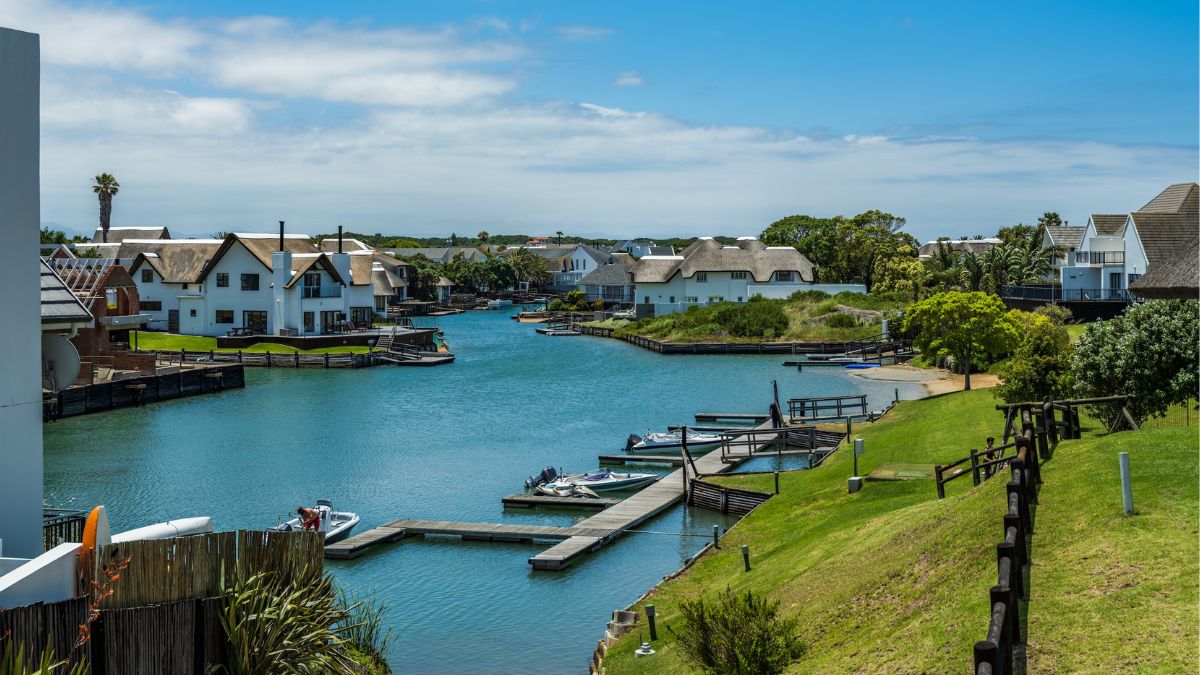
St Francis Bay, often called Little Venice, is known for its distinctive whitewashed houses, black thatched roofs, and extensive network of man-made canals.
The town was developed in the 1950s by Leighton Hulett and his wife, Ann, who transformed the coastal farm of Goedgeloof into a residential holiday destination.
Hulett later developed Marina Glades, a network of interconnected saltwater canals completed in 1976, making it Southern Africa’s first residential marina.
Today, the waterways allow homeowners to access the Kromme River by boat, with many properties having private jetties.
Ramokgopa has previously defended the nuclear programme and argued that political disagreements should not prevent the country from pursuing additional generating capacity.
“We conflated politics with engineering. It is a very simple engineering problem to build 5,200 MW of nuclear power without the intervention of politics,” he said.
He added that the government viewed nuclear energy as an important component of South Africa’s future electricity supply and industrial development.
“We are going to build those plants. We are talking about a nuclear industrialisation plan. It is not only about the reactors, but it is also about playing in the nuclear fuel cycle,” he said.
The minister could not provide an estimated cost for the Thyspunt project, saying this would depend on the reactor technology eventually selected.
Funding options being considered include private-sector participation, public-private partnerships and project finance.















 Loading ...