

The worst-run municipalities in South Africa with 16 years of financial distress re-elect the party that put them there


Three of the worst-run municipalities in South Africa, which have been in financial distress for 16 consecutive years, will continue to be run by the party that put them there.
The 2024-25 Consolidated General Report on Local Government Audit Outcomes found that 62 municipalities are in severe financial distress.
While this represents a long list of municipalities where a going concern is in doubt, the Auditor-General of South Africa flagged the worst offenders.
This was reflected in the municipalities where the financial distress has been ongoing for a number of years running, with three in the Free State standing out.
The report found that 20 municipalities have disclaimer opinions for at least 10 consecutive years, while another 24 have done so for between five and nine years.
The worst cases were Kopanong, Mafube and Matjhabeng in the Free State, each with 16 years of going concern uncertainty.
All three municipalities have been ANC-led through that time, and, following the 2026 election, this will continue to be the case.
While not all the municipalities have held their inaugural councils following the 2026 local government election, the one that has—Matjhabeng—shows how things are likely to go.
Matjhabeng is a local municipality within the Lejweleputswa District Municipality in the Free State, with its council seat in Welkom. It serves a population estimated at 440,000 people.
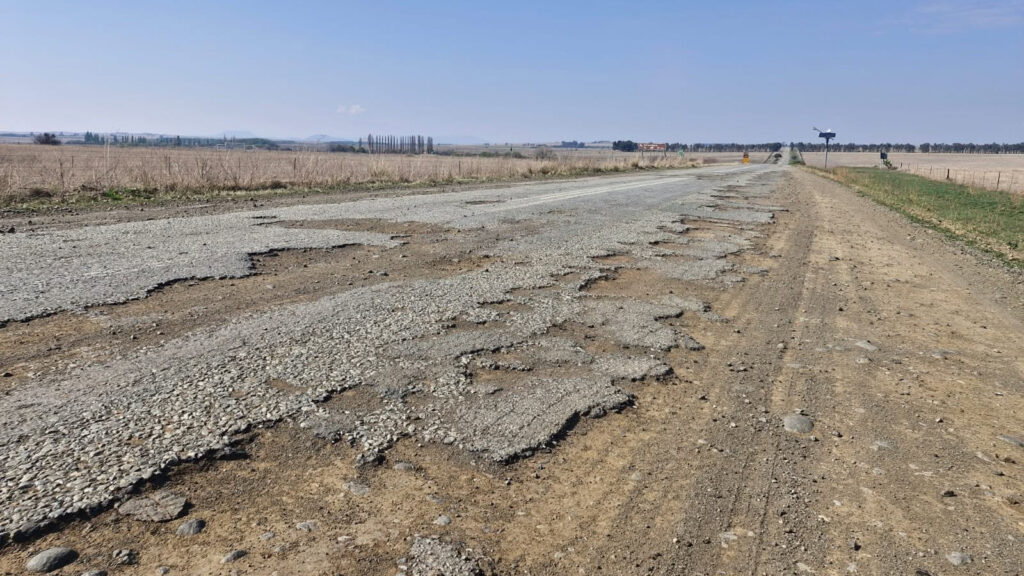
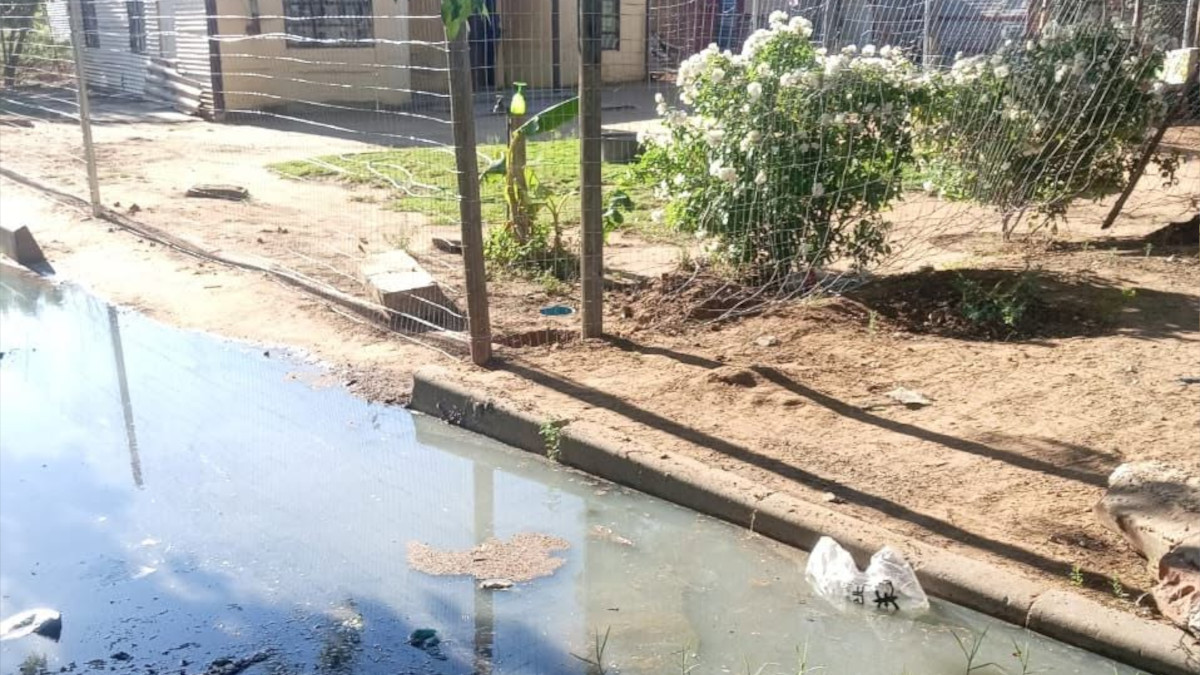
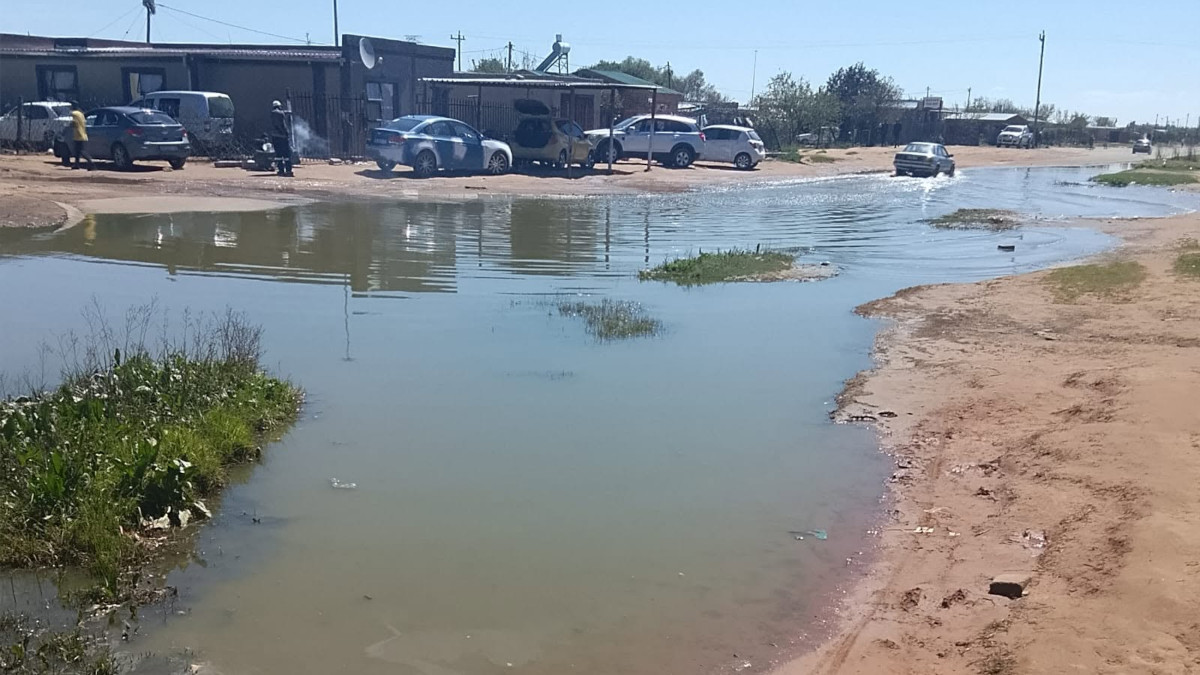
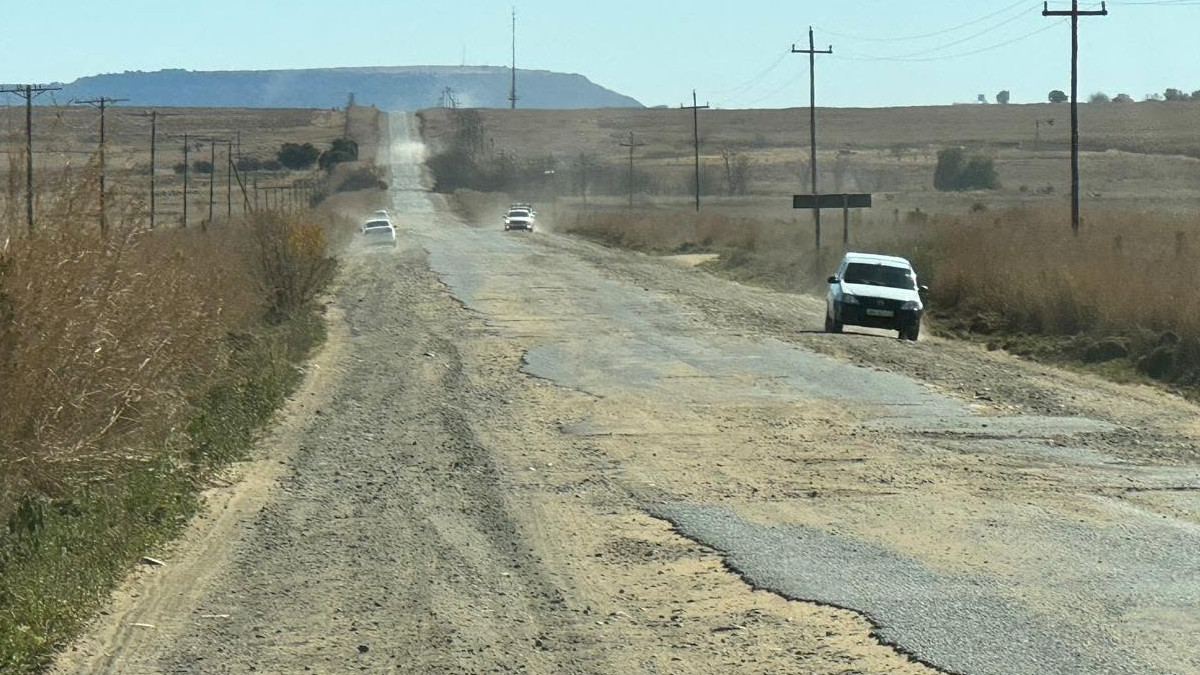
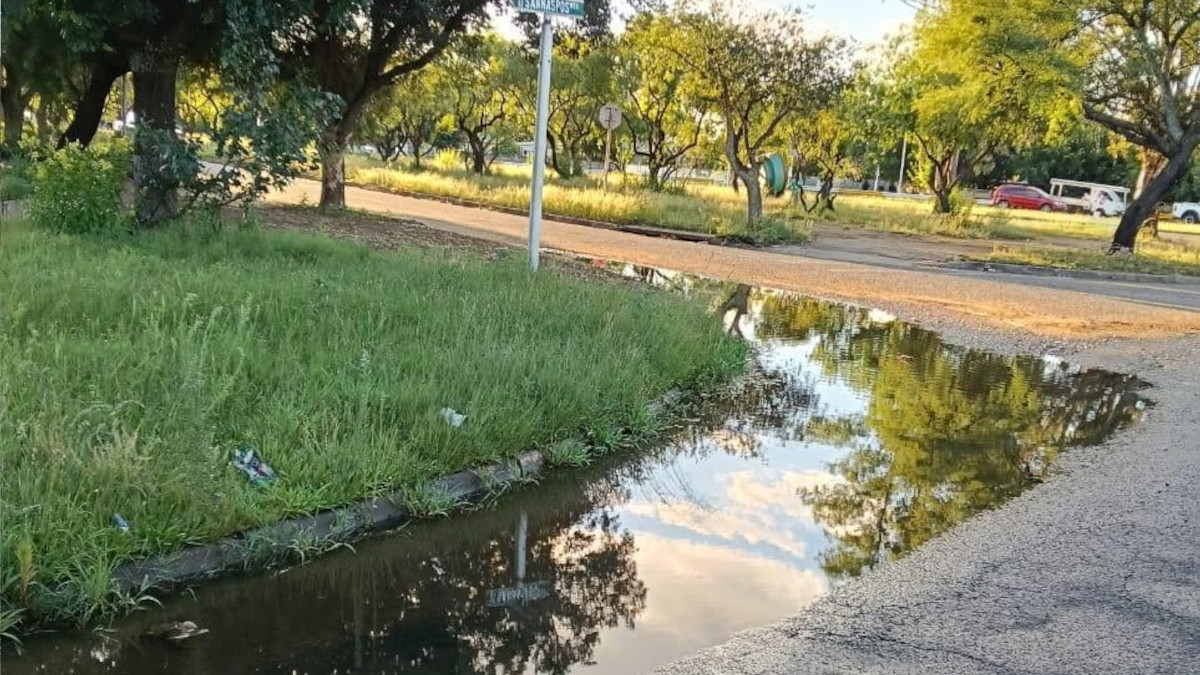
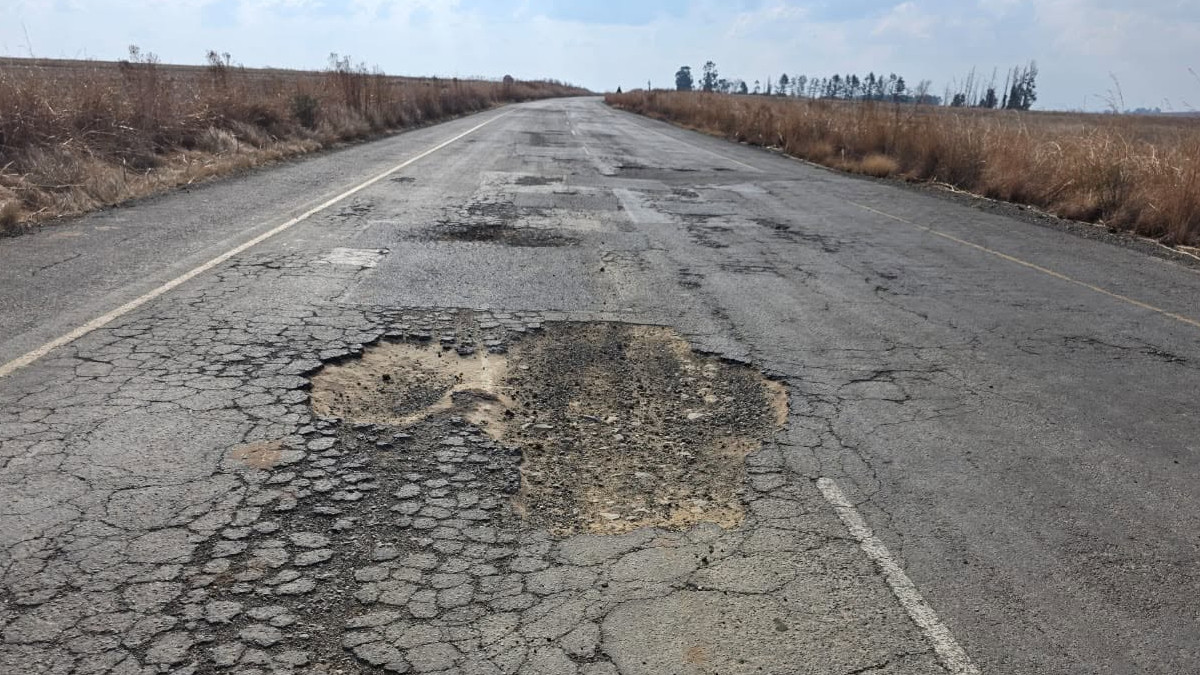
The region has been beset by multiple service delivery failures over the years, including raw sewage spills, prolonged water outages, uncollected refuse, and decaying roads.
This has come as the municipality’s finances collapsed, resulting in crumbling infrastructure and political instability.
Voters in Matjhabeng punished the ANC harshly in the 2026 election, with the party losing its outright majority.
The ANC’s vote declined by 18 percentage points, largely going to the Democratic Alliance, which gained almost 12 percentage points in the election.
The EFF, which secured 11.5% of the vote in 2021, also dropped over 4 percentage points to 7.1% in the 2026 election.
Despite the election outcome, voters will still have the ANC in control.
The municipality’s council has 72 seats, requiring 37 to form a majority government. Due to the ANC’s significant losses, it lacks a majority mandate.
No formal coalition agreement has yet been signed for the municipality, but a combination of ANC, EFF, and SACP councillors, along with other smaller parties, re-elected the ANC into power.
The Matjhabeng municipality held its inaugural council meeting on 20 November, electing the ANC’s Dikeledi Direko as Executive Mayor, through a tie-up between the ANC and the EFF.
The EFF’s Thomas Macingwane was elected as Council Speaker. In both cases, the votes went 41 to 31 in favour.
Matjhabeng Municipality Council Seats
| Leading Party | 2000 | 2006 | 2011 | 2016 | 2021 | 2026 |
|---|---|---|---|---|---|---|
| ANC | 77.2% | 78.9% | 71.6% | 62.2% | 53.5% | 35.4% |
| Party | 2026 seats | 2021 seats | Change |
|---|---|---|---|
| African National Congress | 26 | 39 | -13 |
| Democratic Alliance | 24 | 16 | +8 |
| Economic Freedom Fighters | 5 | 9 | -4 |
| South African Communist Party | 3 | – | +3 |
| Freedom Front Plus | 3 | 2 | +1 |
| Patriotic Alliance | 2 | – | +2 |
| Voice For Change | 2 | – | +2 |
| ActionSA | 2 | – | +2 |
| African Congress for Transformation | 2 | – | +2 |
| African Transformation Movement | 1 | 1 | – |
| United Residents Front | 1 | – | +1 |
| Inkatha Freedom Party | 1 | – | +1 |
| African Democratic Change | – | 2 | -2 |
| Independent South African National Civic Organisation | – | 2 | -2 |
| Congress of the People | – | 1 | -1 |
ANC to take charge of two more
Along with Matjhabeng, the Auditor General also flagged the municipalities of Kopanong and Mafube in the Free State for having 16 consecutive years of financial distress.
The Mafube Municipality is in a similar position to Matjhabeng, with the ANC losing its majority in 2026.
The party’s vote share dropped from 57% in 2021 to 39.4% in 2026, forcing the ANC to enter into coalitions with other parties.
As with Matjhabeng, the EFF was also a loser in the election, dropping from 14.3% in 2021 to 6.9% in 2026.
The gainers were the DA, which climbed to 18.5% in 2026 from 8.5% in 2021—a massive 10 percentage point jump—and the Freedom Front Plus, which rose to 13.7% from 9.4% before.
In terms of council seats, the 17-seat council requires 9 seats to form a majority, with the ANC needing just 2 to cross the line.
If the Matjhabeng grouping follows through, the EFF (one seat) and SACP (one seat) have enough to do the job, meaning another five years of ANC governance is likely.
The Kopanong Municipality will be the same.
While the election also saw the ANC bleed votes here, it was not enough for the party to lose its majority, meaning it will fully retain the party that kept it in failure for another five years.
The ANC lost 10 percentage points in the vote, dropping from 66% in 2021 to 56% in 2026. The EFF also fell from 10% to 6.1% over the period, a drop of another 4 percentage points.
Again, the DA was a gainer, moving from 16.5% to 22.3%. However, the ANC still commands a majority, with 11 of the 17 council seats.
Mafube Municipality Council Seats
| Leading Party | 2000 | 2006 | 2011 | 2016 | 2021 | 2026 |
|---|---|---|---|---|---|---|
| ANC | 79.8% | 75.1% | 72.4% | 75.7% | 57.0% | 39.5% |
| Party | 2026 seats | 2021 seats | Change |
|---|---|---|---|
| African National Congress | 7 | 10 | -3 |
| Democratic Alliance | 3 | 2 | +1 |
| Freedom Front Plus | 2 | 2 | – |
| Mafube First | 2 | – | +2 |
| Economic Freedom Fighters | 1 | 3 | -2 |
| Pan African Congress of Azania | 1 | – | +1 |
| South African Communist Party | 1 | – | +1 |
Kopanong Municipality Council Seats
| Leading Party | 2000 | 2006 | 2011 | 2016 | 2021 | 2026 |
|---|---|---|---|---|---|---|
| ANC | 60.1% | 76.7% | 69.9% | 69.5% | 66.0% | 55.9% |
| Party | 2026 seats | 2021 seats | Change |
|---|---|---|---|
| African National Congress | 10 | 11 | -1 |
| Democratic Alliance | 4 | 3 | +1 |
| Economic Freedom Fighters | 1 | 2 | -1 |
| Freedom Front Plus | 1 | 1 | – |
| Independent | 1 | – | +1 |
Images of Matjhabeng







 Loading ...