

Rand takes a big hit


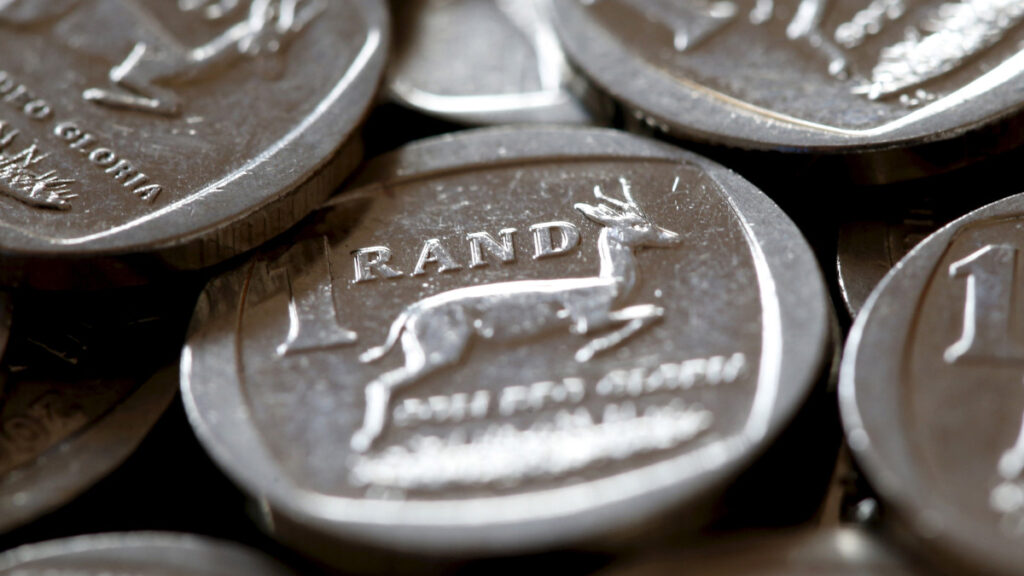
The South African rand breached the R17/$ mark on Thursday as global markets reacted to escalating tensions in the Middle East and a sharp surge in oil prices.
The rand has been one of the worst performers since the start of the Iran war, weakening rapidly from below R15.90/$ at the end of February to around R17.07 on Thursday afternoon—its weakest level since November 2025.
It recovered slightly in early trade on Friday, pulling back to around R16.80/$.
The move reflects a broader shift in investor sentiment, with global markets increasingly seeking safety in the US dollar amid rising geopolitical uncertainty.
The latest bout of volatility follows a series of attacks on key energy infrastructure in the Gulf.
Israel struck Iran’s massive South Pars gas field, which resulted in retaliatory action from Iran targeting major liquefied natural gas facilities in Qatar and infrastructure in Abu Dhabi.
Iran has since warned that further strikes on energy sites could follow, raising fears of a prolonged disruption to global supply.
This escalation has had an immediate impact on oil markets. Brent crude prices jumped by around 5%, pushing above $112 a barrel, as traders priced in the risk of supply constraints.
Concerns have been amplified by the strategic importance of the Strait of Hormuz, a critical chokepoint for global oil shipments.
The United States has urged NATO and other major beneficiaries of the route, including China, to help secure the passage, warning of severe consequences if disruptions continue.
Investec’s chief economist Annabel Bishop also noted that while the International Energy Agency has announced the release of stockpiled oil and petroleum products, markets remain unconvinced.
The intervention is widely seen as insufficient and too slow to meaningfully ease price pressures.
As a result, expectations are growing that supply disruptions could exceed available reserves, fuelling further increases in global oil prices.
For South Africa, the sharp rise in oil prices, combined with a weaker rand, is driving a steep increase in fuel costs.
Bad news for the medium term

Current estimates suggest the petrol price under-recovery has climbed to R4.27 per litre for April, which could add roughly one percentage point to the country’s year-on-year inflation rate for the month.
Diesel prices are expected to rise even more dramatically, with an increase of about R7.04 per litre forecast.
Given that diesel is a critical input for industrial activity, including manufacturing and logistics, the knock-on effects for the broader economy are substantial.
Higher inflation is also expected to weigh on consumer spending, eroding purchasing power and dampening economic growth.
“Consumer spend is negatively affected by higher inflation, weakening economic growth,” Bishop said, noting that even if the conflict proves short-lived, the economic effects will be noticeable.
The surge in fuel costs is also likely to push up producer price inflation, with second-round effects feeding through into broader consumer prices. This will place additional strain on South Africa’s already fragile growth outlook.
Globally, the inflationary shock from higher energy prices is shifting market expectations.
According to the S&P Global Investment Manager Index, the prospect of weaker economic growth in the short-term is accompanied by concerns over inflation due to higher energy prices.
Investors have scaled back expectations of support from both monetary and fiscal policy, while sentiment has turned more defensive.
Bishop added that although the base case remains for a short, sharp conflict in the Middle East, the intensification of hostilities has increased market risk.
Additionally, hopes for US interest rate cuts have diminished, adding further pressure to global growth prospects and emerging market currencies like the rand.















 Loading ...