

South Africa facing down another disaster


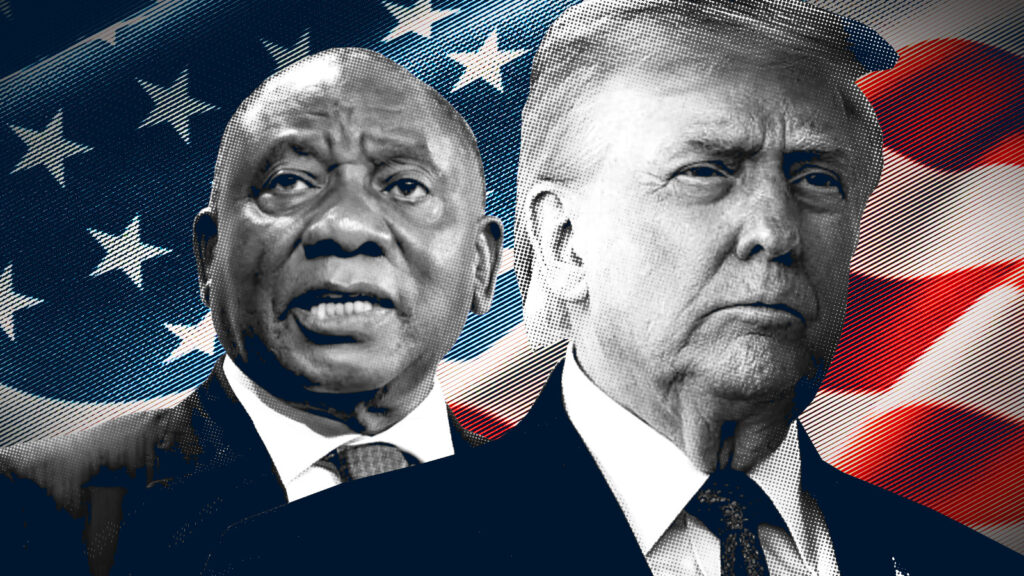
While South Africa scored a reprieve with the extension of the African Growth and Opportunity Act (AGOA) at the start of the year, conversations are already starting about the programme ending again.
Should the programme end or South Africa lose eligibility, billions of rands in trade with the US are at risk, with the country losing its competitive edge to South America.
US President Donald Trump provided some temporary relief to South Africa in early February, signing a law that extended AGOA through 31 December 2026.
The extension took effect retroactively from 30 September 2025, and, to date, no changes have been made to the list of countries eligible for the programme, which still includes South Africa.
However, with no trade deal yet secured with the United States, billions of rands in local exports remain at risk, with the countdown to expiry back in focus.
AGOA provides African markets with duty-free access to the US market and has been used predominantly by South African automobile and agricultural product exporters.
Approximately 22% of South African exports to the US benefit from AGOA, resulting in billions of dollars in trade. Estimates suggest that half a million South African jobs are dependent on AGOA.
While many argued that the Trump administration’s 30% “Liberation Day” tariffs imposed on South Africa in August 2025 completely nullified AGOA benefits, things have changed.
For one, the Liberation Day tariffs were declared illegal at the start of 2026, reverting most trade to the “universal” 10% tariff.
According to South Africa’s Presidential Envoy on Agriculture and Land and Chief Economist of the Agricultural Business Chamber, Wandile Sihlobo, this makes AGOA a critical consideration.
With the US tariffs back to a universal rate, “We are [now] at the same level as our competitors in South America, including Chile and Peru,” he said.
“This places South Africa in a better position than the second half of 2025. We can compete fairly.”
Sihlobo noted that if South Africa were not included in the AGOA extension, it would face a 13.4% tariff—10% plus the most-favoured-nation tariff of 3.4%.
This would “put us on the back foot compared to the likes of Chile and Peru,” the economist said, highlighting the importance of being in the programme.
However, with AGOA again set to expire, the economist said South Africa must and will seek continued inclusion, adding that this is critical until it secures a trade agreement with the United States.
“AGOA is not the end of the road; the idea is to have a formal trade agreement with the US post these uncertain times,” he said.
AGOA crucial for agriculture
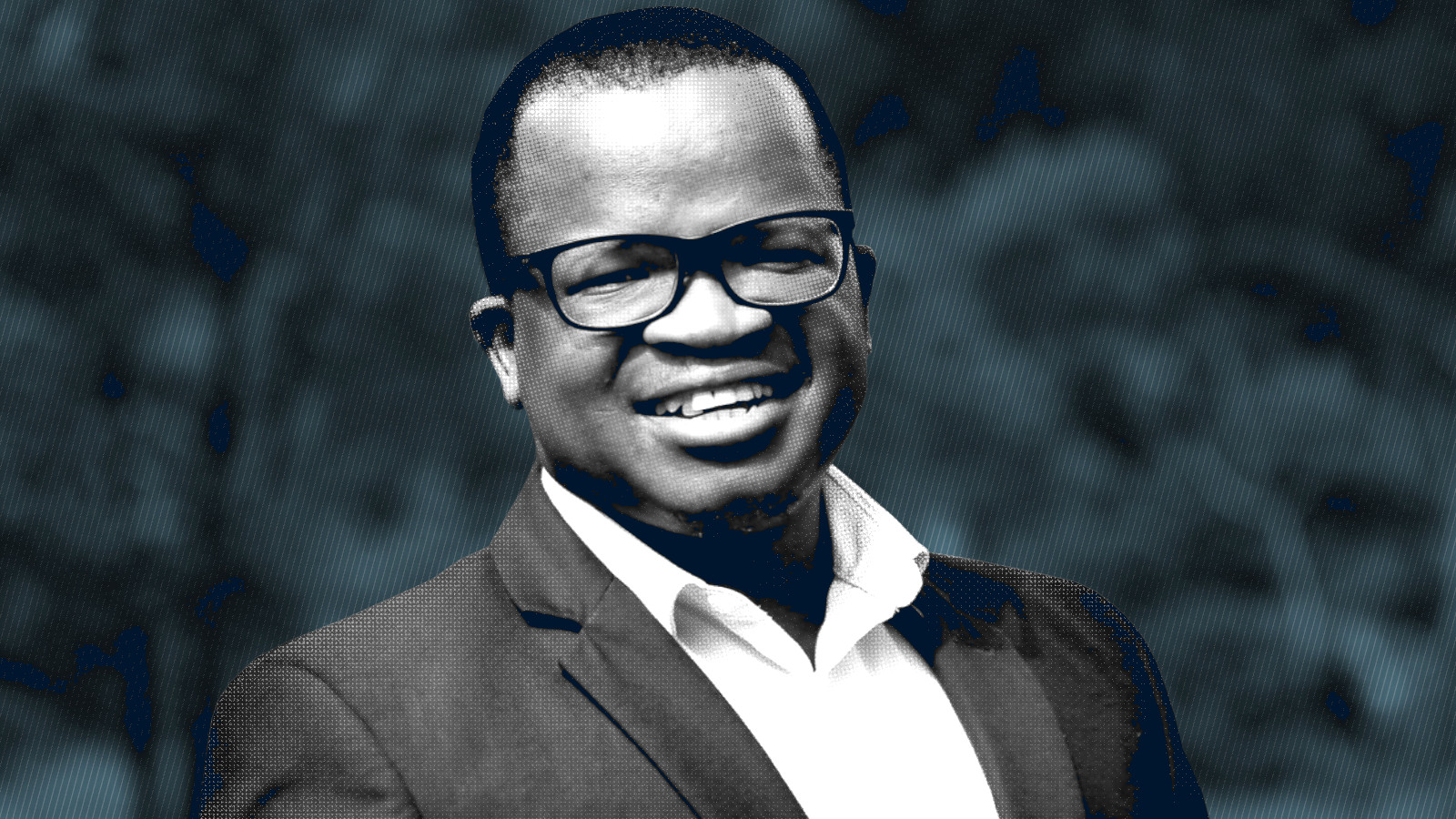
Sihlobo noted that the United States remains an important market for South Africa’s agricultural sector, accounting for 4% of South Africa’s agricultural exports.
South African agricultural exports to the US include citrus, berries, raisins, grapes, wine, fruit juices, apples, pears, apricots, and nuts.
“In 2025, our agricultural exports to the US totalled US$504 million (~R8.4 billion), down 3% from the previous year,” he said.
“This slight annual decline doesn’t suggest that the previous Liberation Tariffs didn’t have a negative impact on our agricultural sector.”
Instead, South Africa benefited from substantial exports in the second quarter, where there was a 90-day pause, and the country had plenty of citrus products to export.
Sihlobo said that, as South Africa approaches the citrus export season and with ample wine supplies, the current tariff structure—including continued eligibility for AGOA—could lead to a better export season to the US.
However, Washington is currently navigating alternative legislative processes to find other ways to implement new tariffs.
One of the key processes in motion is the Section 301 investigation into South Africa and 59 other countries, looking for instances of “unfair trade” practices.
Hearings on these investigations are scheduled for April 28, 2026, with the US Trade Representative warning that countries that cannot “resolve” any issues flagged by the investigation face tariffs or fees.














 Loading ...