

What you need to earn to be in the top 1% in South Africa


While most formally employed South Africans earn roughly R21,500 per month, the country’s top 1% earn over R2 million every year.
The PayInc Net Salary Index for June 2026 revealed that South Africa’s salary earners take home a nominal average of R21,598 per month and R259,176 per year.
This amount is almost the same as it was one year ago, at R21,483 in June 2025, having increased by only 0.5%.
This amount is calculated based on people who earn a salary, meaning the true average could be lower given South Africa’s high unemployment rate.
According to the World Inequality Database (WID), South Africa’s top 1% earn more than this, at roughly R1.5 million, as of 2024.
The WID analyses each country’s national income to determine its earnings figures, rather than using GDP.
The database defines national income as a country’s GDP minus its fixed income and foreign investments, giving an accurate picture of how a country’s wealth is divided amongst its citizens.
PayInc’s data show that average nominal salaries in South Africa have risen by 2.98% since the end of 2024, implying that the salary threshold for the top 1% would be around R1.7 million per year in 2026.
The “top 1%” refers to the wealthiest portion of the population, representing the country’s highest earners.
With South Africa’s current population of approximately 63.1 million, the top 1% of the population would be 631,000 people.
However, a better measure would be to look at taxpayers, as that figure shows those who are actually earning a taxable income.
South Africa has about 26 million individuals registered for tax, but not all of them actually pay income tax because they do not meet the threshold.
Instead, there are about 7.7 million or so taxpayers who are assessed for tax each year, where the bulk of collections comes from those earning at the top.
Given that smaller base, South Africa’s ‘true’ one-percenters are about 77,000 individuals, and this grouping would carry a much larger earnings threshold.
According to Ranmore Fund Management founder and portfolio manager Sean Peche, the barrier for the top 1% is higher, with those earning over R2 million a year and having R25 million in assets.
SARS’ tax stats for 2025 align with this.
The tax data shows that the entry point for the top 1% of all registered individuals with income is estimated to be above approximately R1.7 million per annum.
This is derived from data showing that 1.2% of individuals (169,697 people) earn more than R1.5 million, while 0.8% (110,267 people) earn more than R1.817 million.
However, in the 1% subgroup of assessed taxpayers, the 77,000-or-so individuals earn more than R2 million per annum—aligning with Peche’s view.
Compared with the country’s average annual salary (~R259,000), the average one-percenter would thus earn around eight times more than the average salaried worker in the country.
The top 1% take home less
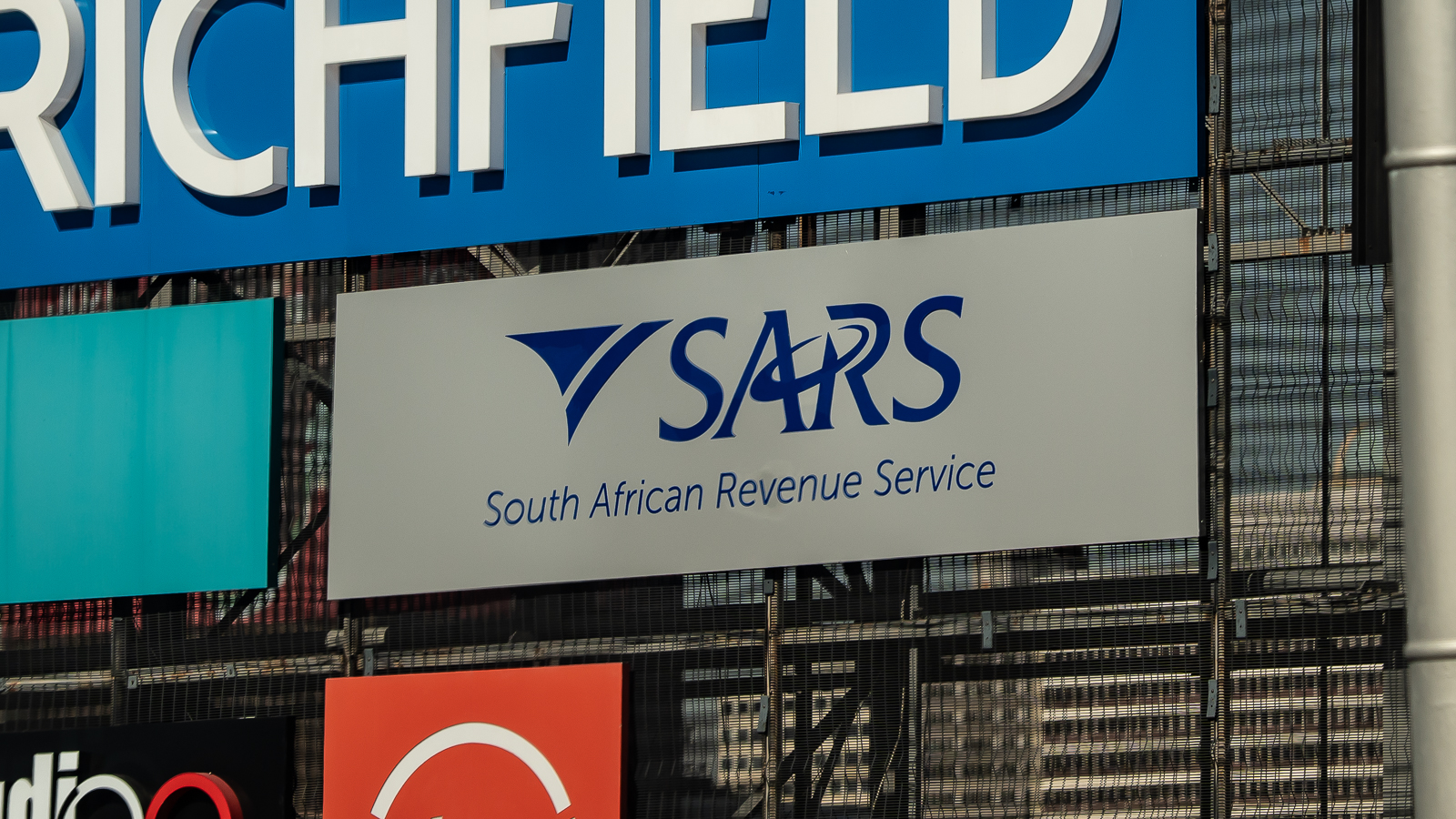
While the top 1% can earn as much as R2 million a year, not all of this is taken home, with taxes eating a large portion of their earnings.
The take-home pay for a R2 million yearly salary would be roughly R1.3 million, with the largest deduction being Pay As You Earn (PAYE) taxes.
However, the wealthy are subject to a wide array of other taxes, including capital gains tax, estate duties, property taxes and inheritance taxes.
High-net-worth individuals are a significant part of South Africa’s tax base, as the country has only 5.2 million taxpayers above the tax-free threshold.
This means roughly 8.2% of the country’s population contributes to income tax, and nearly half of the total income tax is paid by only 200,000 people.
Codera Analytics found that 45% of the total income tax paid in South Africa comes from roughly 200,000 individuals, who earn over R1 million per year.
This makes wealthy individuals vital to South Africa, since income tax is the largest single source of government revenue.
In the 2026 financial year, South Africa’s government collected over R2 trillion in tax revenue, with R767 billion coming from PAYE.
PAYE is currently the most impactful tax for South Africa’s top 1%, with the highest income bracket taking 45% of income.
This is not 45% of a person’s total income, but is taken from all earnings over approximately R1.8 million per year.
High-earning South Africans are also required to pay property taxes, which are assessed annually based on the value of their real estate.
While the top 1% pay large amounts to the government every year, South Africa does not have a specific “wealth tax”.
A wealth tax is levied only on individuals with high net worth, but South Africa’s Finance Minister, Enoch Godongwana, previously said it would not be effective.
He said the most effective way to generate revenue from wealthy citizens is through income taxes, as a wealth tax would be complex and would discourage savings.















 Loading ...