

What to expect for interest rates in South Africa this week


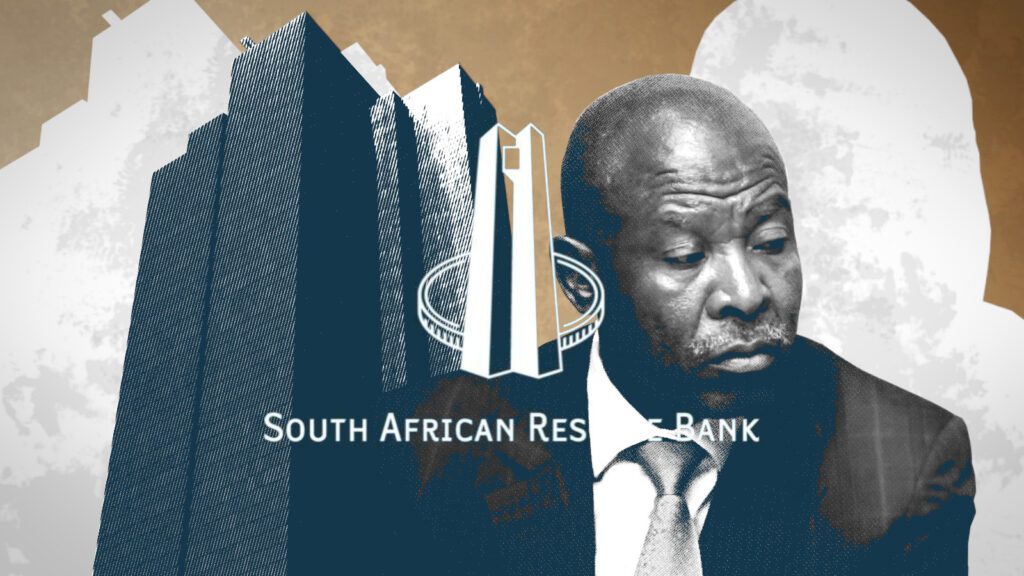
The South African Reserve Bank (SARB) Monetary Policy Committee (MPC) is meeting this week, with economists widely anticipating a hold on interest rates at its final policy decision of the year.
However, there are also cases for another 25-basis-point hike on the cards.
The MPC will deliver its final call for the year on Thursday, 19 November, with most economists expecting the policy rate to be held at 7.25%.
At the SARB’s previous meeting, where rates were hiked by 25 basis points, the Quarterly Projection Model suggested a rate of around 6.5% by the end of 2027 and 6% by the end of 2028.
According to Johann Els, Chief Economist at PSG Financial Services, this broad policy path is expected to remain in place.
He said the MPC is likely to be split on the way forward for interest rates—between a hold and another hike—but a hold should win out.
Reasons for a possible hike would be “insurance against the risk of higher inflation expectations” over the next few months, and how this could impact core inflation in 2027.
“However, expected petrol price declines from December onwards, together with a relatively stable rand, should help contain inflation expectations,” Els said.
“On balance, I think the majority of the MPC will favour keeping interest rates unchanged. I do not think further rate increases are necessary.”
Els said that there is room for interest rate cuts to be reconsidered during the second half of 2027.
Investec Chief Economist Annabel Bishop had a similar view, noting that no change in interest rates is expected in November or January 2027.
The economist attributed this to the recent plunge in oil prices and the drop in the general fuel levy, limiting inflation pressures.
Fuel pricing for December looks to be another sizeable cut for motorists, and signals are that the fuel price pressure that has been driving inflation this year is easing.
“Absent evidence of second-round price pressures, the repo rate is unlikely to increase next week, with the MPC keeping rates flat likely in January too, particularly if the previous oil price shock continues to wane,” Bishop said.
Angelika Goliger, Chief Economist at EY Africa, also expects the SARB to hold rates, though the bank’s messaging will likely be cautious.
“While weak growth would support eventual easing, inflation expectations and risks from energy prices, the rand and global financial conditions continue to argue for caution,” Goliger said.
“Our modelling suggests a hold in the policy rate for now, with the potential for a cut in the second quarter of 2027.”
Retaining rates would also give policymakers more time to assess how their actions this year are affecting the inflation outlook.
Not a done deal

Economists at Nedbank say the outcome of the meeting is less clear-cut and will be a close call, with cases for both a hold and a hike.
“Our analysis suggests that the outcome of next week’s meeting is open to interpretation,” it said. “We think a reasonable case can be made for both options, making it a difficult one to call.”
The case for holding broadly aligns with other “hold” views: underlying inflationary pressures appear to be easing, and global oil prices are falling.
This should reduce local fuel prices and moderate inflation in the coming months.
However, this doesn’t necessarily mean a reversal, and it will take time for this to filter into the economy. This means the SARB will be in wait-and-see mode for longer before cutting rates again.
On the other hand, the case for hiking rates is also compelling, Nedbank said.
This is because headline and core inflation remain above the Reserve Bank’s 3% target, with inflation expected to exceed 5% into early 2027.
This increases the risk of entrenched price and wage pressures.
In addition, while global oil supply disruptions are easing, significant upside risks remain, including higher global import prices, a weaker rand, further US interest rate hikes and El Niño-related pressure on food prices.
“On balance, we see the need for another 25 bps hike in this cycle, but the timing is difficult to pin down,” Nedbank said.
“In our view, a November hike would help counter the impact on the rand of a widely anticipated Fed rate hike in December and, more importantly, continue to reinforce policymakers’ commitment to the 3% target.”
















 Loading ...