

Warning for anyone living in Cape Town


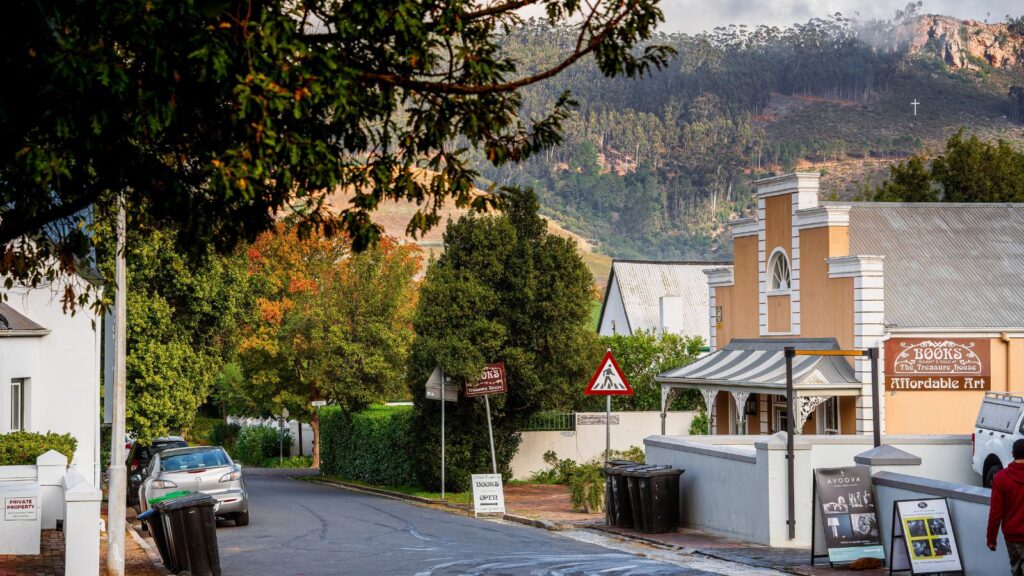
The City of Cape Town’s Human Settlements Directorate is warning residents about housing opportunity scams on social media.
The City of Cape Town has made it clear that it will never ask for payment in exchange for housing opportunities.
The City encouraged residents to always contact the City’s Human Settlements Call Centre to verify any communication they receive.
The City’s Human Settlements Directorate said that it has become aware of a scam circulating on WhatsApp and other social media platforms.
Fraudsters are falsely claiming that residents can secure housing opportunities from the City by making a payment.
The City of Cape Town urged residents to note that the City will never request money to secure a housing opportunity.
“We remind residents that the City does not charge for housing opportunities, and no official process requires payment at any stage,” Human Settlements Mayoral Committee Member, Councillor Carl Pophaim.
“Do not make any payments or share personal information with unknown individuals on social media and communication platforms,’ said Pophaim.
Pophaim reminded residents that housing opportunities that are offered by the City of Cape Town are free.
He also said that qualifying residents will never be asked to pay for placement on the City’s Housing Needs Register.
Nor would these residents be required to pay for the allocation of housing opportunities or for any related housing services.
Earlier this year, the Cape Town government issued a similar warning regarding housing scams circulating in the city.
At the time, the City’s Human Settlements Directorate had noted a poorly written letter and email targeting potential beneficiaries in Belhar and surrounding areas.
Similar to the current messages circulating on social media, it said that these communications falsely claim that recipients must make a payment to secure a housing opportunity.
The letter, which circulated around Cape Town, contained spelling errors and referred to ‘RDP houses,’ which the City said is outdated terminology no longer used in the City’s housing programs.
Residents were also advised to be cautious and to verify any housing offers that they may have received.
“Residents are urged to remain vigilant, to treat any such communication with extreme caution and to report these to the City as soon as possible,” said Pophaim.
Earlier this year, the City of Cape Town clarified that it does not charge for housing opportunities, and no official process requires payment at any stage.
The City urged residents not to make any payments or share personal information with unknown individuals.
Other provinces with housing scam warnings
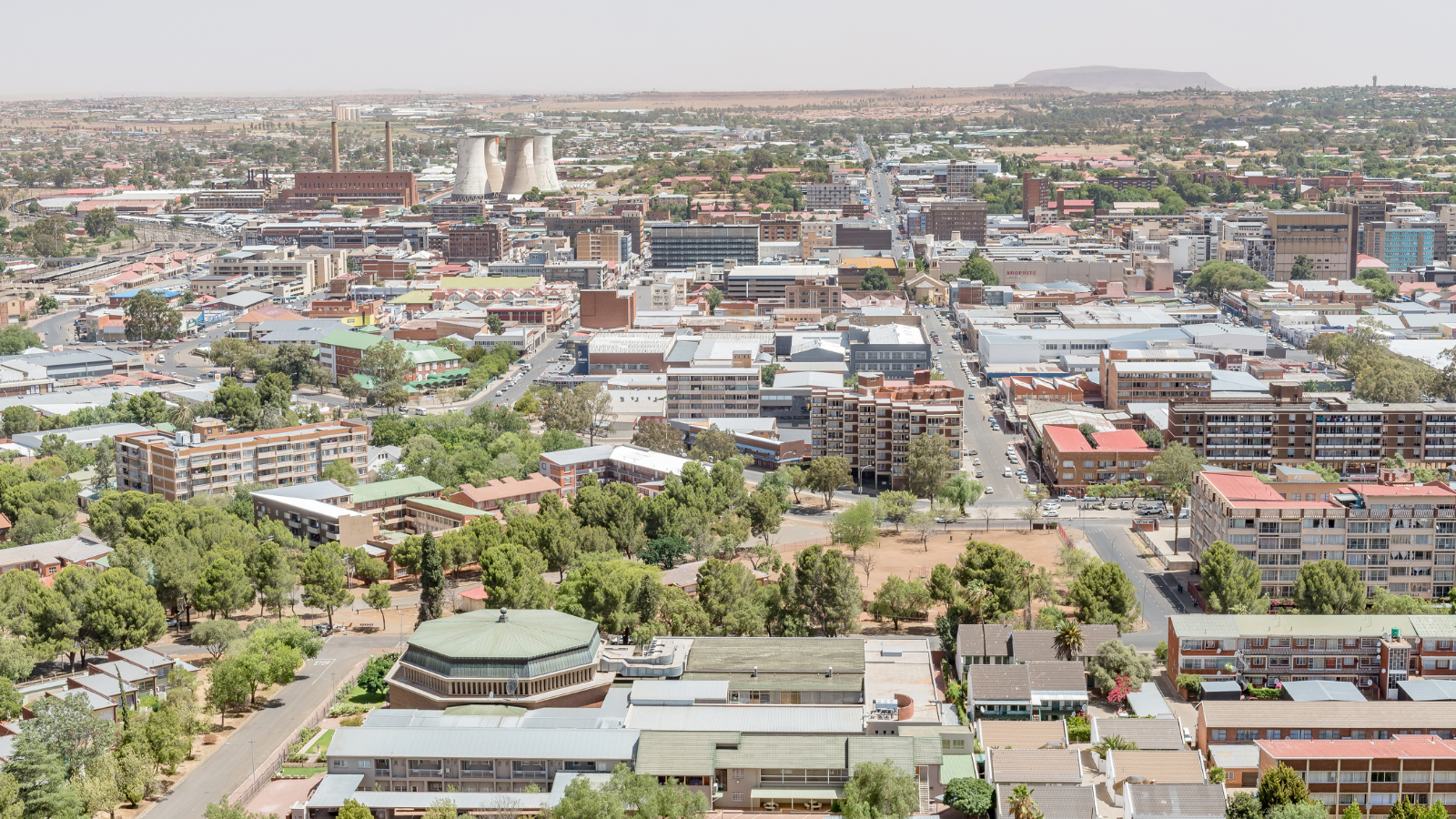
The Free State has also warned its residents about the new RDP housing scams circulating the province.
The Free State Department of Cooperative Governance and Human Settlements has issued a warning to the public about a fraudulent scheme.
Scammers are reportedly using the name and image of MEC Saki Mokoena to deceive residents.
According to the department, these individuals have created fake social media profiles, falsely claiming to sell Breaking New Ground (BNG) houses in Bloemfontein for R50,000.
Provincial CoGTA Spokesperson Zimasa Mbewu highlighted that no official is authorised to request payment in exchange for a housing opportunity or for placement on a housing waiting list.
“The department would like the communities to note that the government does not sell RDP houses. Beneficiaries of government housing programmes are selected in accordance with approved policies and qualifying criteria,” said Mbewu.
“No payment is required to qualify for or receive an RDP house. Members of the public are urged not to engage with or transfer money to anyone claiming to sell government houses or guarantee access to housing opportunities.”
Mbewu urged anyone who receives suspicious phone calls, text messages, WhatsApp messages or social media communications relating to the sale of government houses to report the matter immediately to the nearest police station.

















 Loading ...