

NHI could be declared invalid and unconstitutional in South Africa this week


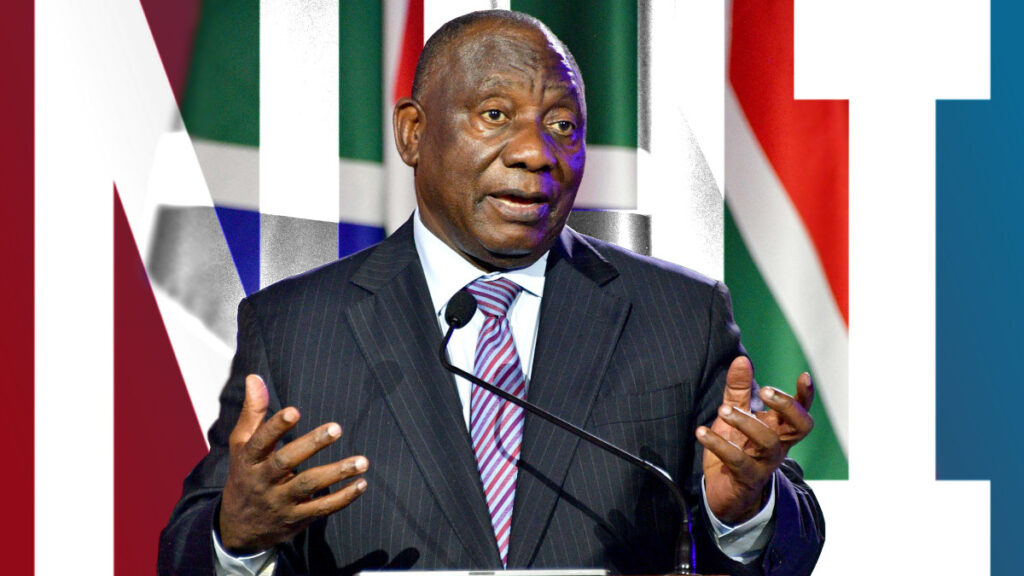
The Constitutional Court confirmed it will deliver its ruling on the validity and constitutionality of the National Health Insurance (NHI) Act on Friday, 27 November.
The ruling is critical to the government’s plans to roll out universal healthcare in the country, with an adverse finding sending the laws back to the drawing board.
The country’s highest court will deliver its verdict on the case brought by the Board of Healthcare Funders (BHF) against the Speaker of the National Assembly and others, challenging the consultation process in drafting the laws.
The BHF argued that the financial modelling behind the Act was “outdated and insufficient”, preventing the public from meaningfully evaluating whether the proposed healthcare scheme could realistically work.
According to the challenge, this reduced the consultation process to a “tick-box” exercise where major concerns about economic impact, feasibility, and constitutional issues were not genuinely considered.
Parliament defended its approach by arguing that detailed cost projections would have been speculative because the NHI is intended to be implemented gradually over a long period.
The case also includes the challenge by the Western Cape Provincial Government against the National Council of Provinces and others, where it said provincial inputs were not considered.
The Premier argued that procedural failures occurred in both Gauteng and the Western Cape during the consultation process.
Concerns included a lack of evidence that NCOP members attended the Gauteng public consultations, and the absence of a report on consultations held in the Western Cape.
Additionally, the Premier argued that there was no indication that the NCOP Select Committee properly considered objections raised by the Western Cape delegation.
In the hearings, law firm Bowmans noted that the ConCourt judges appeared interested in whether funding details were essential for meaningful public participation.
Regarding the provincial consultation, the judges struggled to ascertain whether public consultations actually took place and whether differing opinions were properly taken into account.
The Constitutional Court said its ruling will determine whether the National Assembly and NCOP failed to facilitate meaningful public participation for the NHI Bill as required by section 59(1)(a) of the Constitution.
The Constitutional Court will also consider whether to declare the National Health Insurance Act unconstitutional and invalid on the grounds of the alleged failures.
If either challenge succeeds, the Court may declare the Act invalid and unconstitutional, which would force Parliament to restart parts of the legislative process before the law can be reintroduced.
This will present a massive setback to the government’s NHI plans, which had struggled to get off the ground for almost two decades.
The scheme was signed into law by President Cyril Ramaphosa ahead of the 2024 elections, while the ANC still held a majority in government.
No-win situation for the NHI either way

If the Constitutional Court rules that the NHI consultation process was valid, this would be a huge relief for the government.
However, it would also trigger the next round of litigation, which is currently waiting in the wings.
Ahead of the matter being put before the Constitutional Court in May 2026, President Cyril Ramaphosa and the National Department of Health agreed to hold off on promulgating further provisions of the Act until the legal hurdle had been cleared.
In return, various litigants agreed to hold off on their own constitutional challenges pending the outcome of the case.
If the Friday ruling does not send the Act back to Parliament, further litigation taking on various provisions of the Act will commence, including:
- The rationality of Ramaphosa signing the Act into law;
- Various sections related to private medical aids;
- Sections related to specialist services;
- The overall constitutionality of the Act, particularly in relation to arbitrary deprivation of business, removal of freedom of choice, and limiting access to healthcare.
Attempts have previously been made to bring the various litigating parties and the government together to settle the matters out of court, but both sides rejected them.

















 Loading ...