

Another new mafia is thriving in South Africa


Organised crime syndicates operating in South Africa are increasingly targeting the country’s natural heritage to cash in on a thriving high-value export business.
These mafia-style groups target abalone, West Coast lobster, shark, reptiles, and even succulents, which are now worth more than rhino horn.
This is according to CapeNature’s Senior Manager for Marine and Coastal Operations, Pierre de Villiers, who spoke about the new threat in an interview with BizNews.
While CapeNature is best known for managing nature reserves, protecting ecosystems, and promoting conservation-driven tourism, de Villiers said the organisation is now also on the frontline of a rapidly expanding biodiversity crime economy.
“While we’re also battling Western Cape summer wildfires, we are confronting a surge in biodiversity crime driven by organised syndicates treating the province’s unique species as export commodities,” he said.
According to de Villiers, these syndicates operate in a highly coordinated, mafia-style manner, targeting both marine and terrestrial species for local and international markets.
De Villiers said abalone remains one of the most lucrative targets. “If you look at the seaside, you’re looking at abalone, and that’s a very important product in the East,” he said.
“It’s a delicacy, and you’ve reached a certain status in life if you can offer abalone as a dish in your house.”
West Coast rock lobster is also heavily targeted, often for local markets rather than export. He explained that the syndicates are catching undersized lobster.
“They tail them, break the head off, and sell the tails locally. It’s turned into a very lucrative market, but it’s devastating for sustainability.”
Sharks are another major concern. The fins are sent to the East for various dishes, and while some of the meat is used, the shark fins are exported, and that’s the major problem.
While abalone and lobster are taken from relatively shallow waters, shark fishing often happens further offshore using longliners, complicating enforcement.
A target more valuable than rhino horn
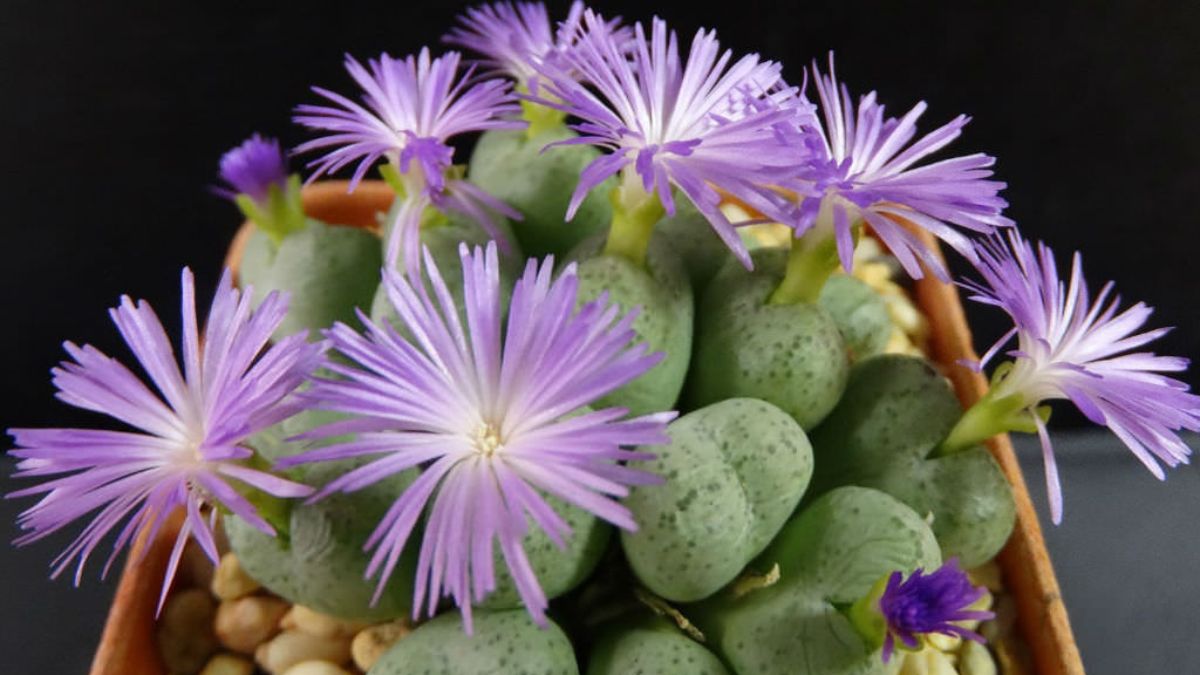
On land, the scope of illegal trade is even broader. “Believe it or not, cut flowers are a major illegal export commodity at the moment,” de Villiers said.
While permits exist, he warned that illegal harvesting is widespread. Succulents from the West Coast and Karoo are also being stripped from the veld.
“You hardly even notice them when you walk past, but they are extremely valuable in the ornamental plant trade. Some species are now worth more than abalone and rhino horn.”
Although the Western Cape has fewer rhinos and elephants, de Villiers said the province still plays a key role in the broader wildlife trafficking network.
“Animals poached inland are exported from Cape Town Harbour and Cape Town International Airport,” he said.
Smaller endemic species are also targeted. “Tortoises, chameleons, these pretty little creatures are captured and exported for the pet trade.”
De Villiers said the drivers behind the trade are complex and deeply linked to global trends. “When people become wealthy, they start looking for ways to show their wealth off,” he said.
“The tragedy of poaching worldwide is that the rarer a species becomes, the more valuable it becomes.”
He added that South Africa’s reduced intelligence capacity has made the problem harder to contain. “Due to budget cuts, our finger is not on a lot of the pulses anymore, so we become reactive.”
The risk of extinction is real. “The danger is definitely there, but it’s up to enforcement and managers identifying where species grow and waiting for the poachers,” de Villiers said.
In the Overberg, CapeNature works closely with SAPS, fisheries officials, municipal law enforcement, and the SANDF through Operation Pakisa.
“It’s a model that works. It depends on strong, transparent leadership and integrated planning.” Despite significant seizures and arrests, de Villiers said success is measured differently at CapeNature.
“We’re evaluated on keeping the animals in the water. We can say we’re the best enforcement operation, but if the state of biodiversity report says there’s no abalone left, then we’ve failed,” he said.
















 Loading ...