

155-year-old seaside town in South Africa where war is brewing


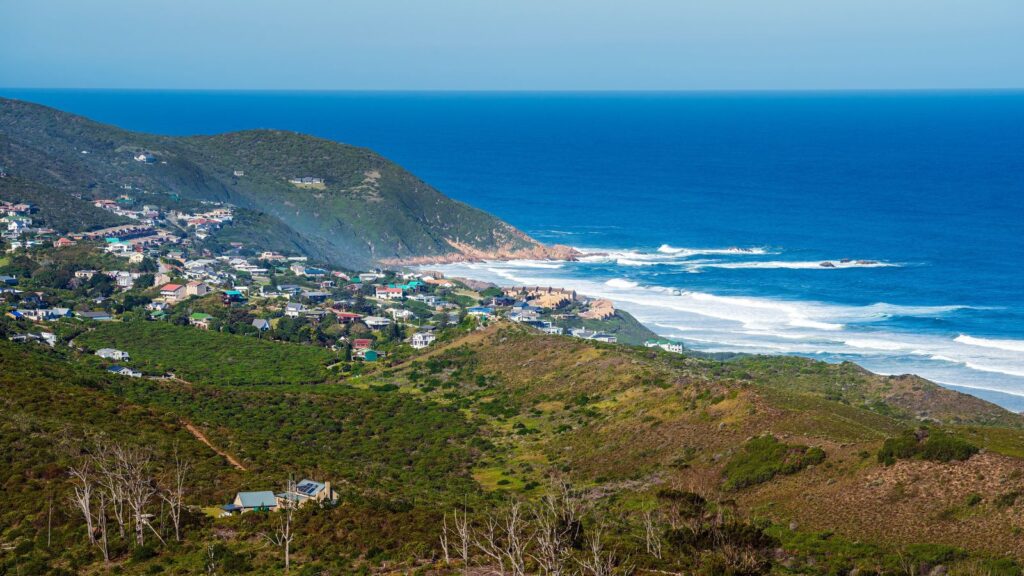
Legal war is brewing in the small coastal town of Knysna, as residents and other stakeholders refuse to accept collapsing service delivery and leadership instability.
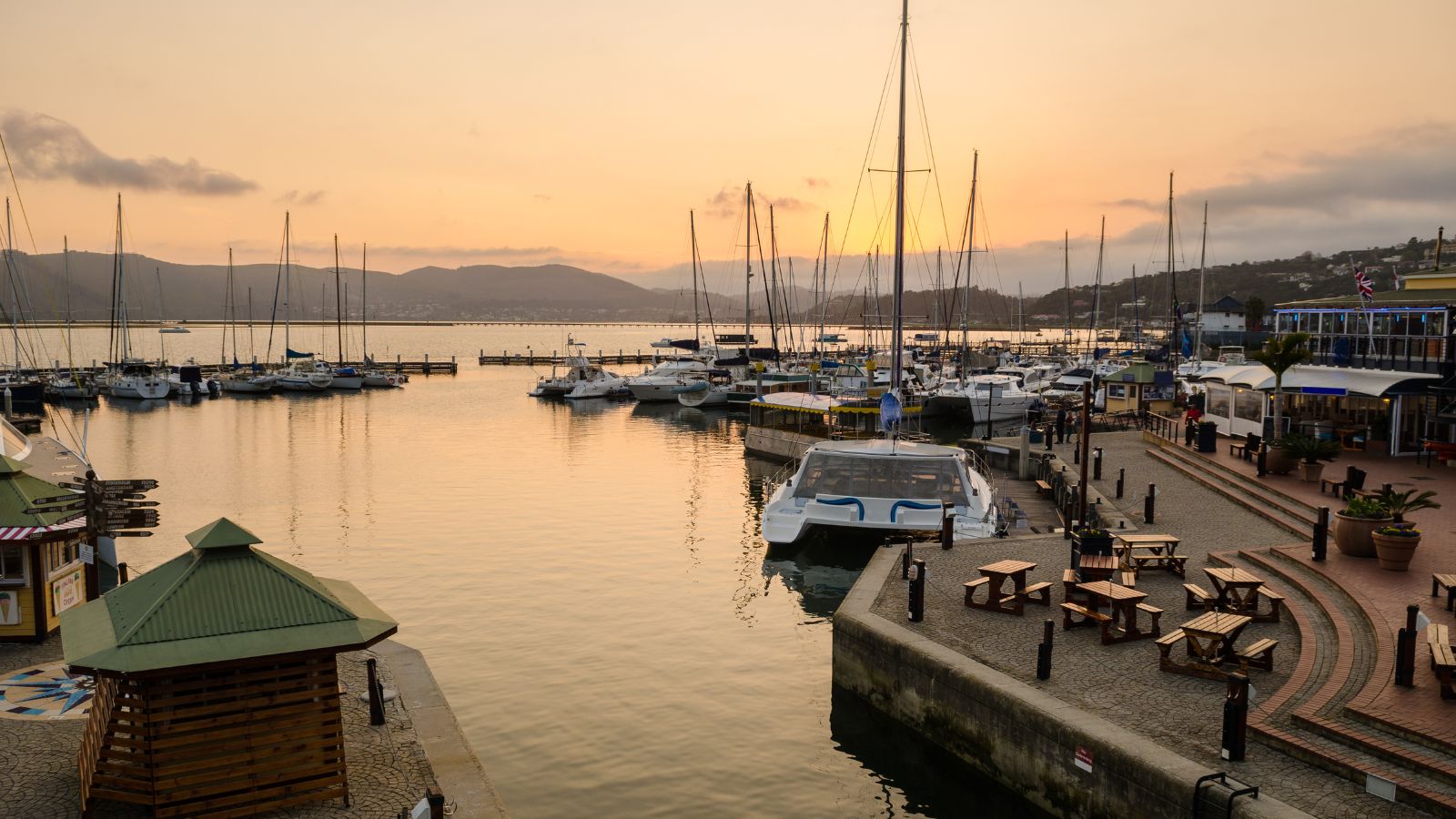
Knysna’s beginnings date back to 1804, when George Rex, a British-born entrepreneur credited with founding Knysna, purchased land, effectively settling the area.
However, the small seaside town was only officially established in South Africa in 1871, making it over 155 years old.
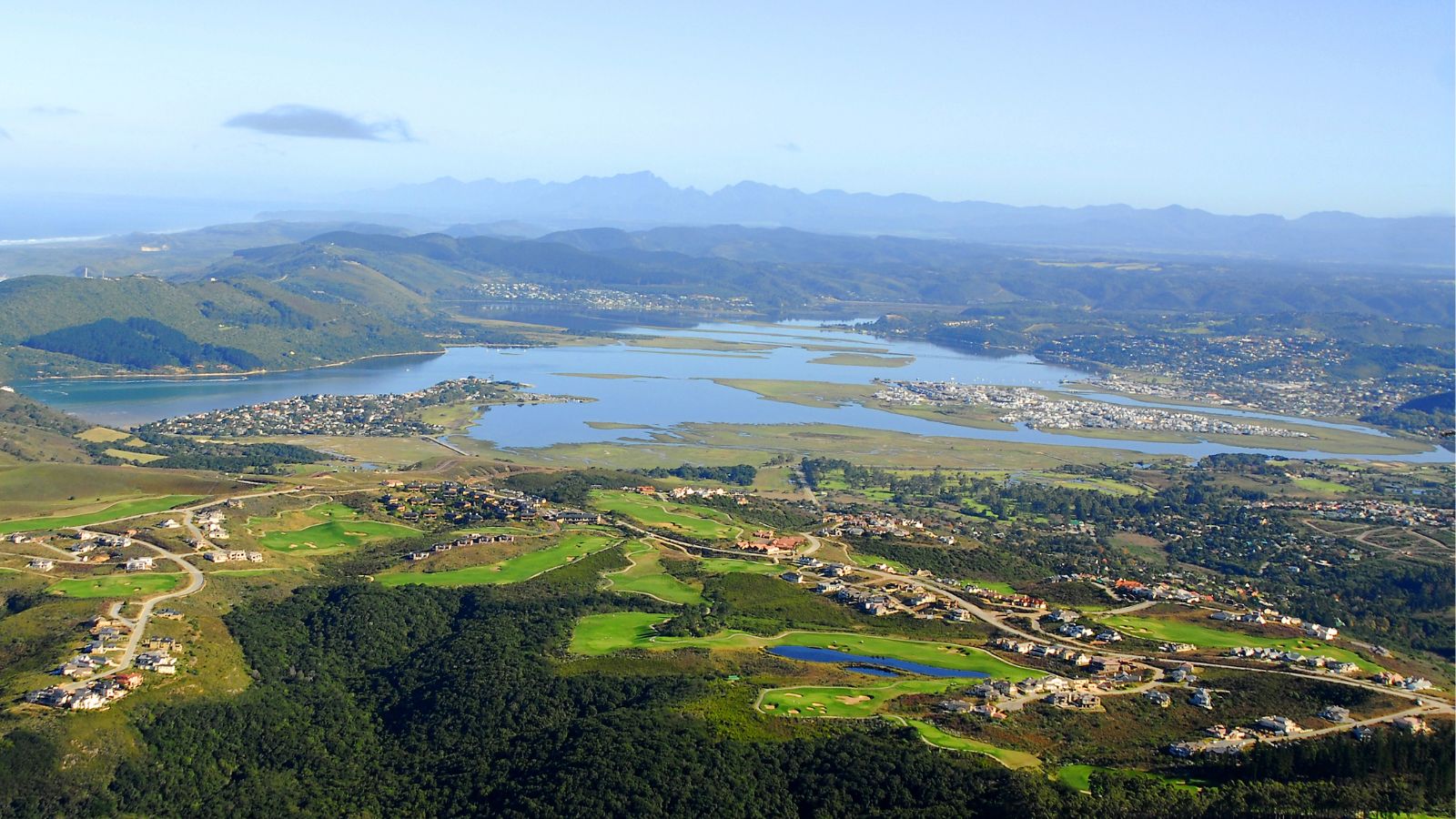
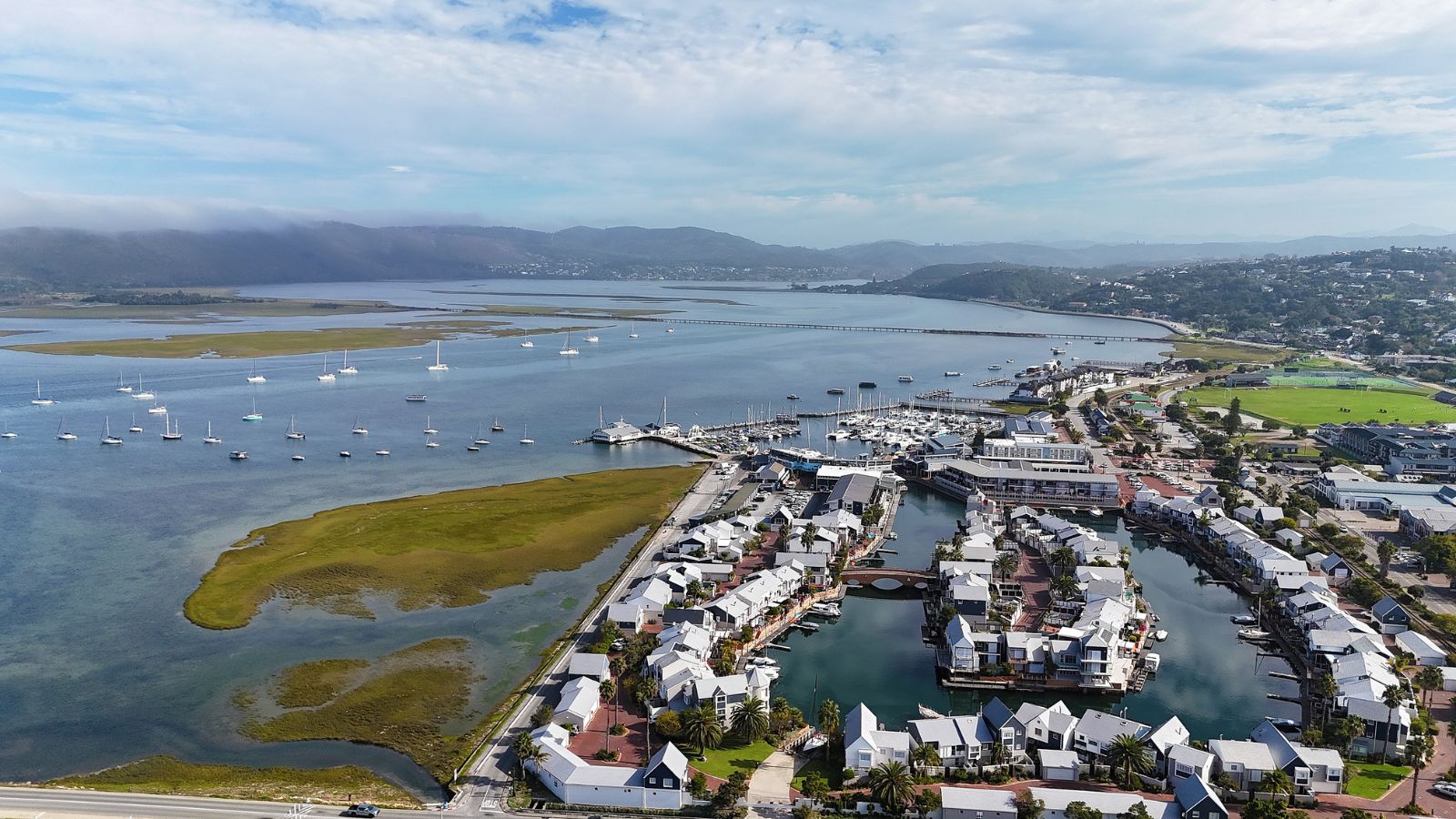
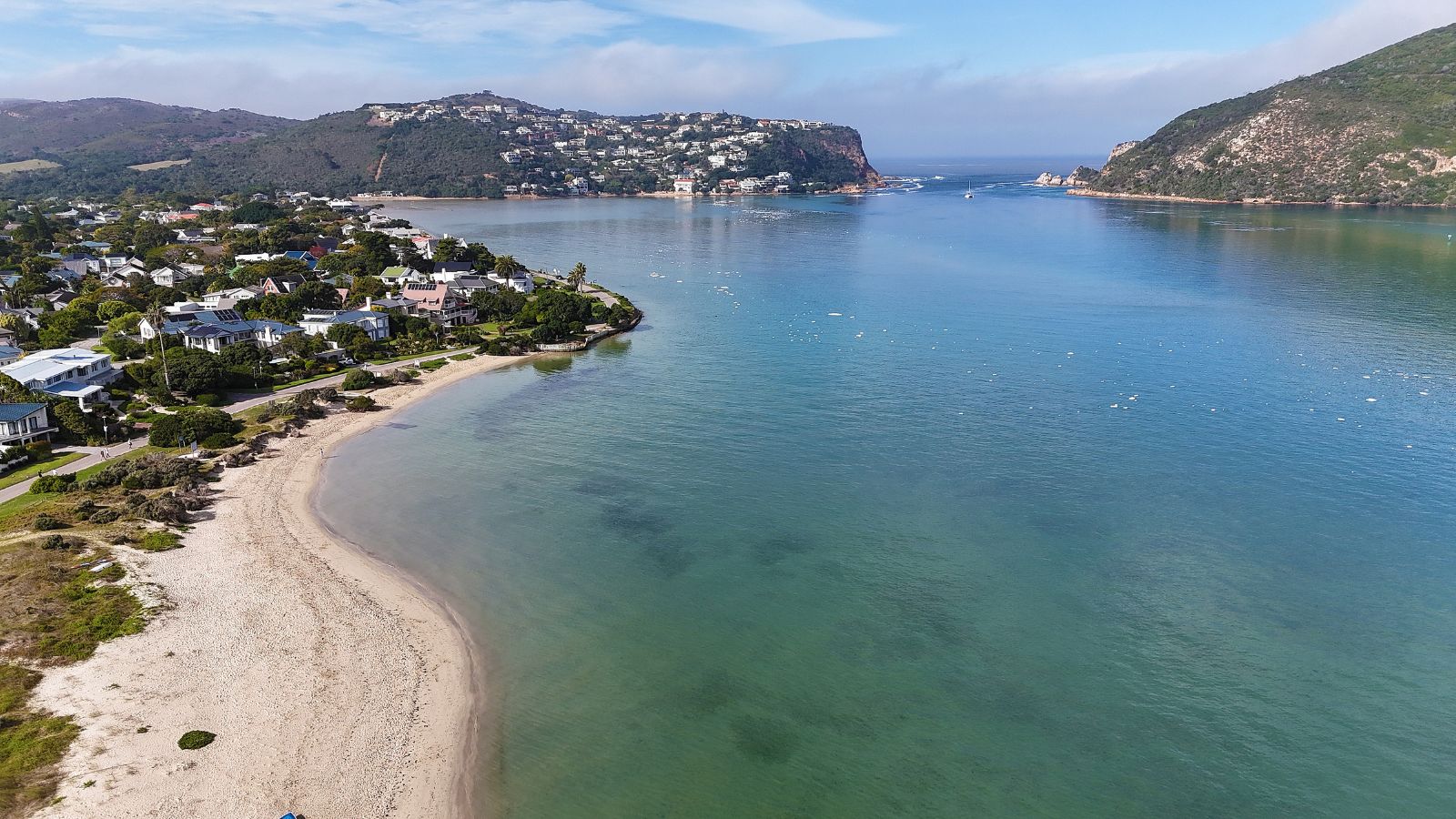
Located along the Garden Route between George and Plettenberg Bay, Knysna has long attracted wealthy South Africans and foreign buyers.
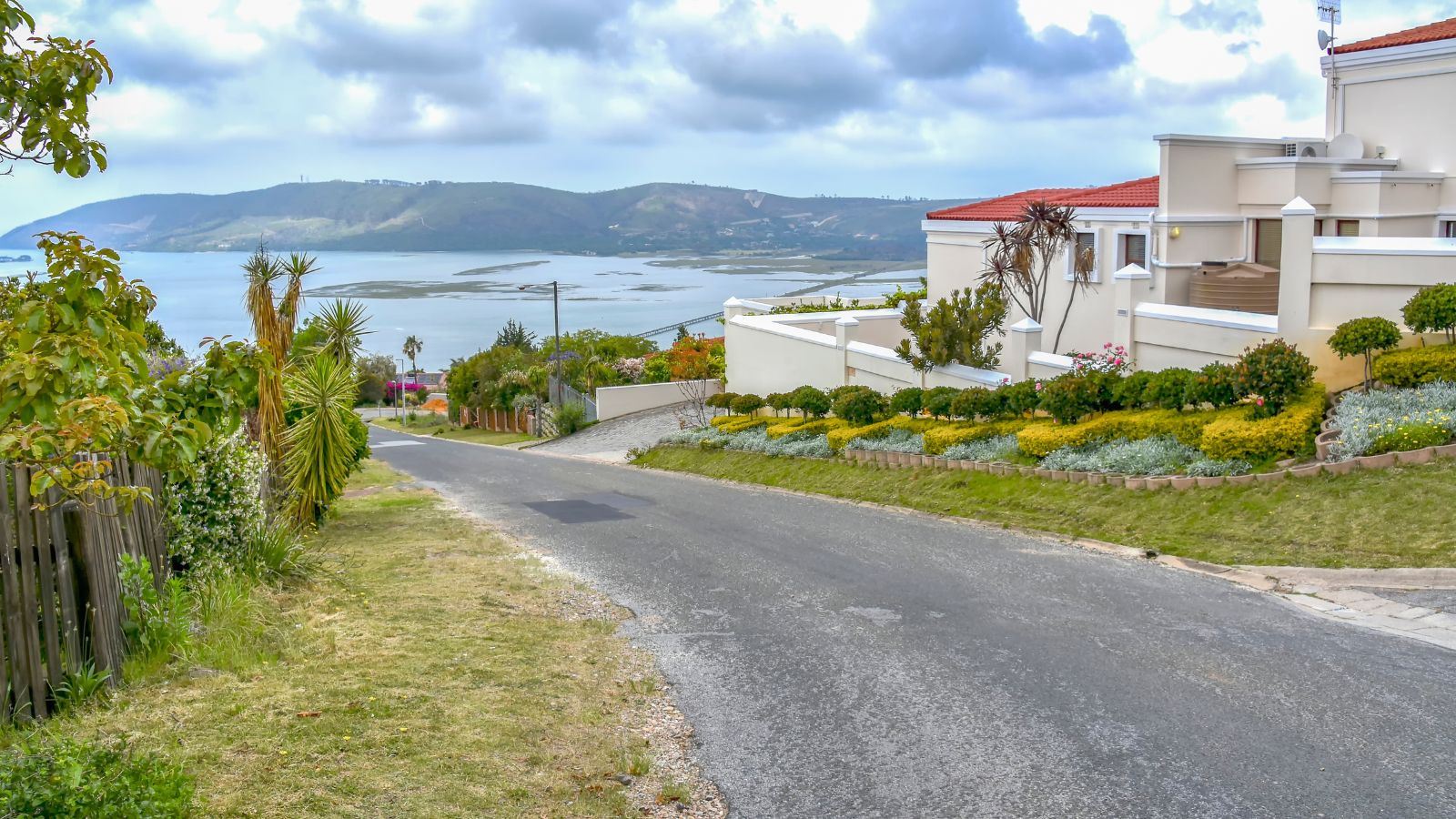
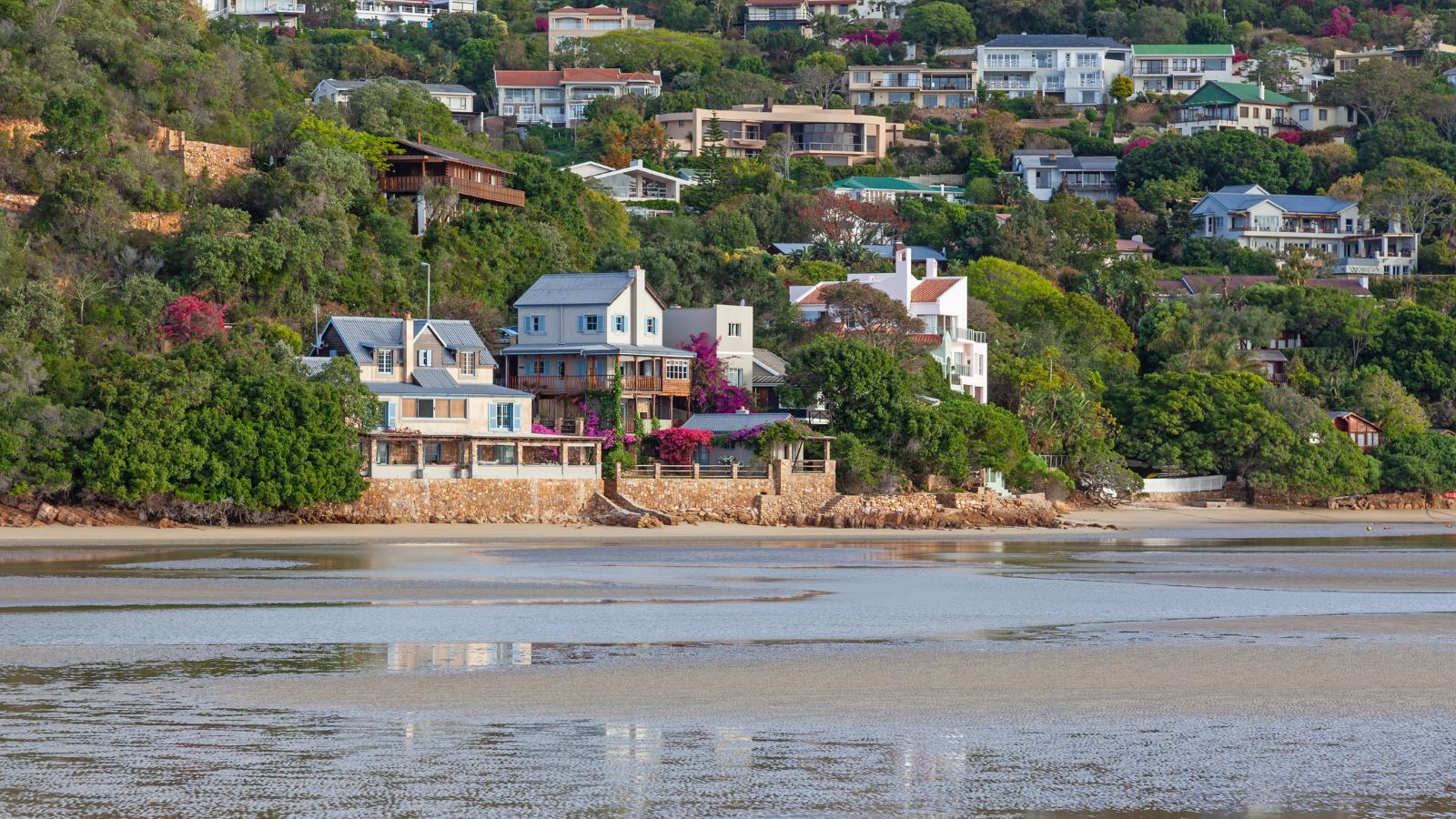
These buyers have flocked to the town for its coastal living and natural beauty, coupled with a perceived escape from the pressures of major cities.
According to Henley & Partners’ African Wealth Report, the broader Garden Route region is home to around 3,200 high-net-worth individuals, primarily concentrated in towns such as Knysna.
Seeff Knysna licensee Gail Rimbault previously told BusinessTech that transactions for the 12 months to the end of November 2025 reached R2.2 billion, with an average transaction price of R3.7 million.
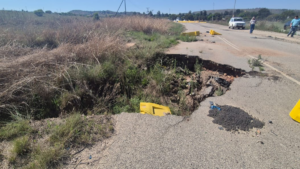
However, despite this demand, residents of Knysna have faced a sharp decline in basic services that has reached a breaking point.
The Accountability Group (TAG) has noted that it is now preparing legal action to force accountability and halt the town’s deterioration.
In an interview with BizNews, TAG’s Robert Winn said that Knysna is at a turning point, and warned that the municipality is increasingly unable to meet even basic service delivery obligations.
“At the moment, Knysna is struggling to deliver a lot of its services. The municipal dump is piling up, and sewage pump stations are flooding into the estuary and polluting it.”
On the water issues, Winn added that while some progress has been made on fixing burst pipes with provincial assistance, the municipality is heavily reliant on outside intervention.
Plan to use the courts to force accountability
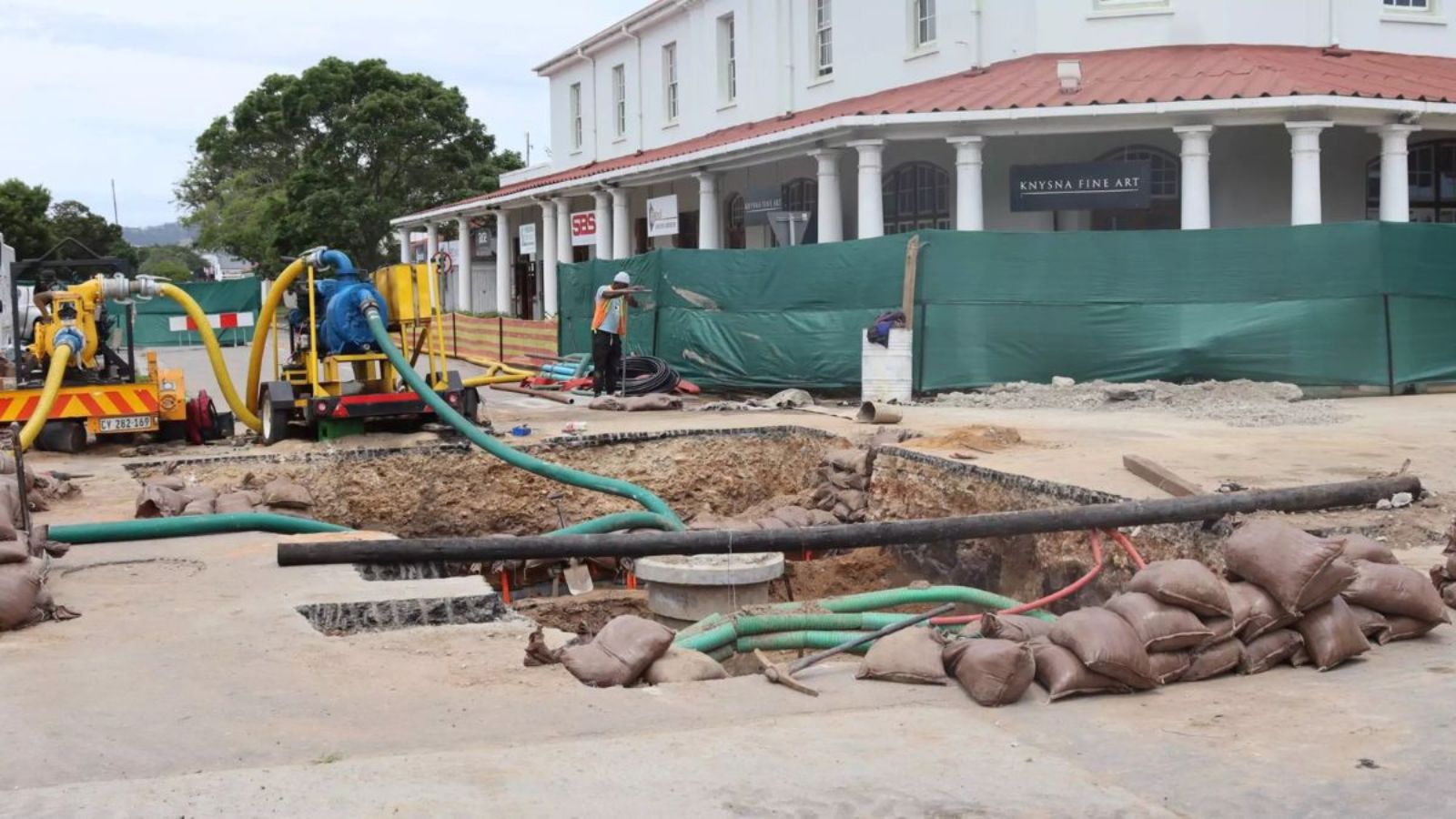
A key concern raised by TAG is the municipality’s financial position, which appears far weaker than official figures suggest.
Another TAG member, Eric de Jager, pointed to a dramatic collapse in the reported surplus in the municipal budget.
“We had a R234 million surplus, which was fantastic; we thought we could now start putting money into infrastructure,” he said.
However, he explained that when they checked the adjustment budget, the surplus collapsed to R14.4 million.
De Jager warned that this figure then becomes meaningless when environmental penalties are considered.
“The NEMA fines are sitting at R30 million, and I’ve heard it could be up to R200 million plus. When you consider that, the R14 million surplus means nothing.”
De Jager also said the municipality’s liquidity position is being misrepresented. “The key benchmark is the current ratio. They say it’s doing very well, but it takes no account of the debtor’s book.”
He noted that around R400 million of the municipality’s roughly R600 million debtors’ book is unlikely to be recovered.
“If you take a true reflection, you’ve got 82 cents of assets for every R1 of liability. The municipality is in financial distress.”
This financial strain is directly affecting infrastructure investment. “There isn’t any money for infrastructure,” he said.
De Jager estimated that Knysna should be spending around R194 million annually on maintenance and renewal, but is only allocating between R40 million and R50 million.
Winn said the consequences are visible across the town. “We’ve seen areas without water, with ‘water shedding’ becoming the new load shedding,” he said.
He added that residents and businesses are already feeling the impact. “People are cancelling their Airbnbs because there’s no water.”
TAG believes mismanagement, staffing shortages, and misplaced spending priorities are at the heart of the problem. “There are 111 critical positions unfilled; we don’t have the staff on the ground,” said Winn.
He added that expenditure on infrastructure is currently at 0.5% in Knysna, and Treasury recommends a minimum of 7%.
He added that nearly half the budget is spent on salaries. “About 47% of our budget is going towards salaries. It’s very clear the municipality is struggling to assign the budget to the right departments.”
TAG noted that it is now escalating its response. “What we’re doing is compiling information needed to hold the right people accountable,” said Winn.
“Through legal frameworks, we’re going to be using the law to bring that accountability and make sure we get the answers residents deserve.”
The group is also calling on the community to support its efforts. TAG encouraged residents who really care about our town to stand together as one and continue to ask questions and demand answers.
Winn stressed that the town’s decline is recent and avoidable. “Knysna was doing fine five years ago, but now it’s deteriorating at a rapid rate.”
Knysna images

















 Loading ...