

Bad news for braai lovers in South Africa


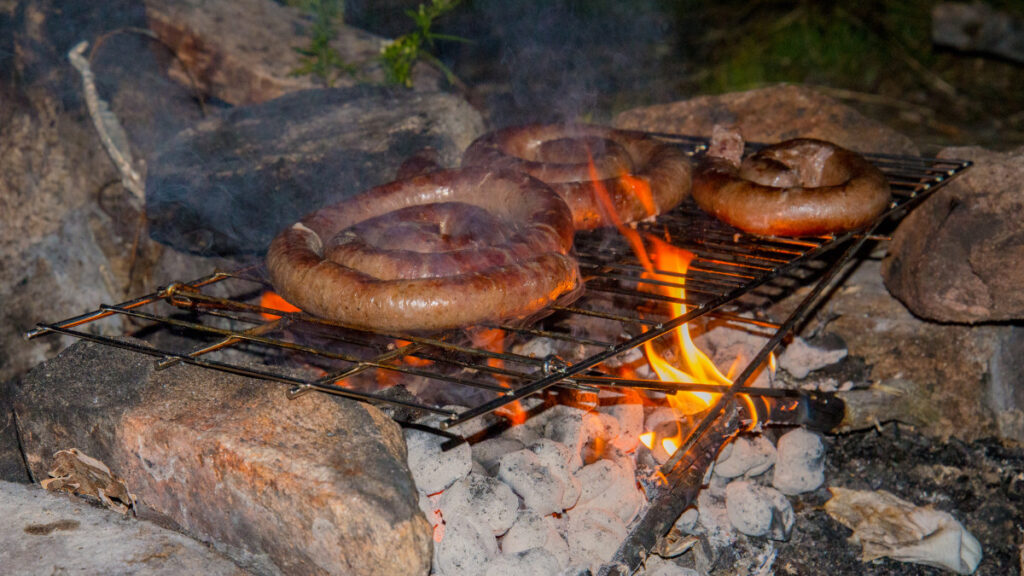
The latest Braai Index for August 2026 shows that inflation in the cost of the popular activity is rising year-on-year, reflecting the knock-on effects of rising fuel costs.
With fuel prices set to rise further and severe weather conditions looming, the situation is at risk of worsening.
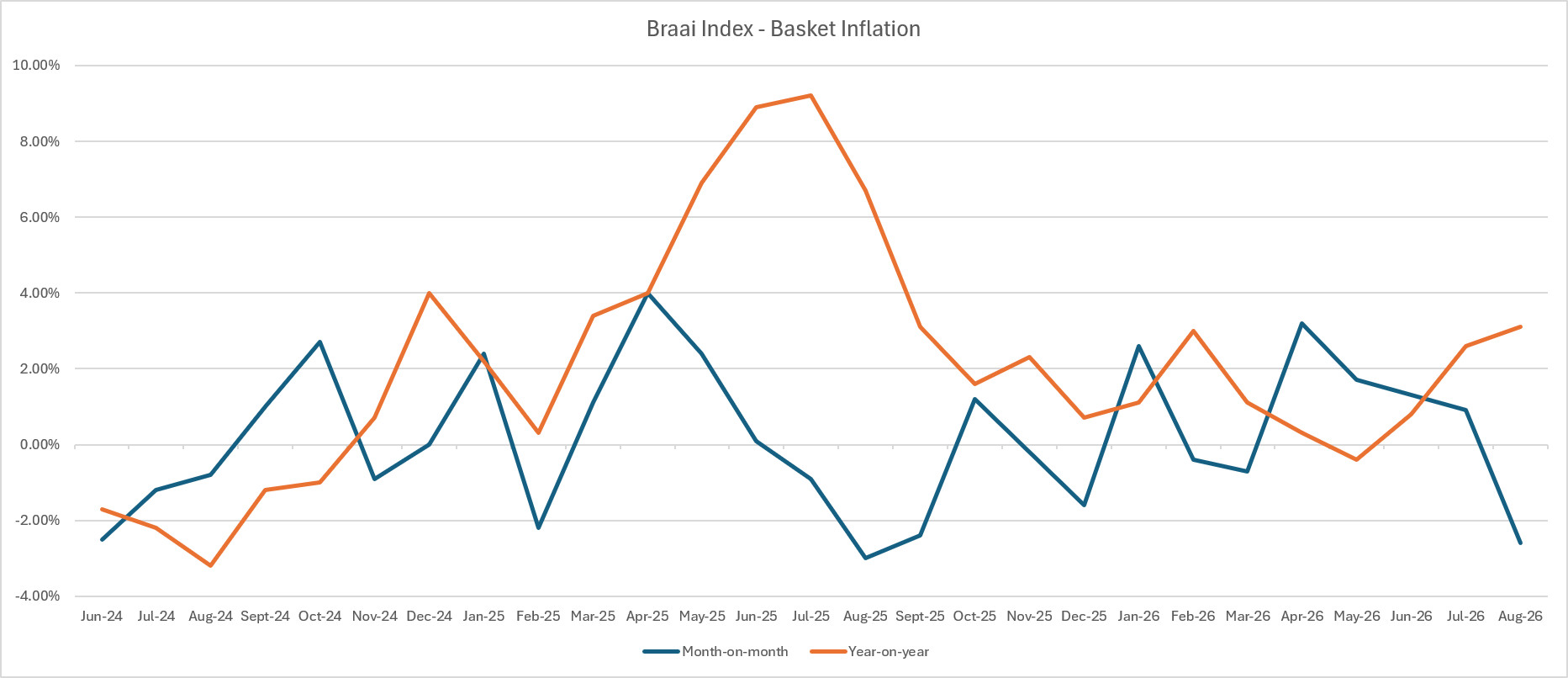
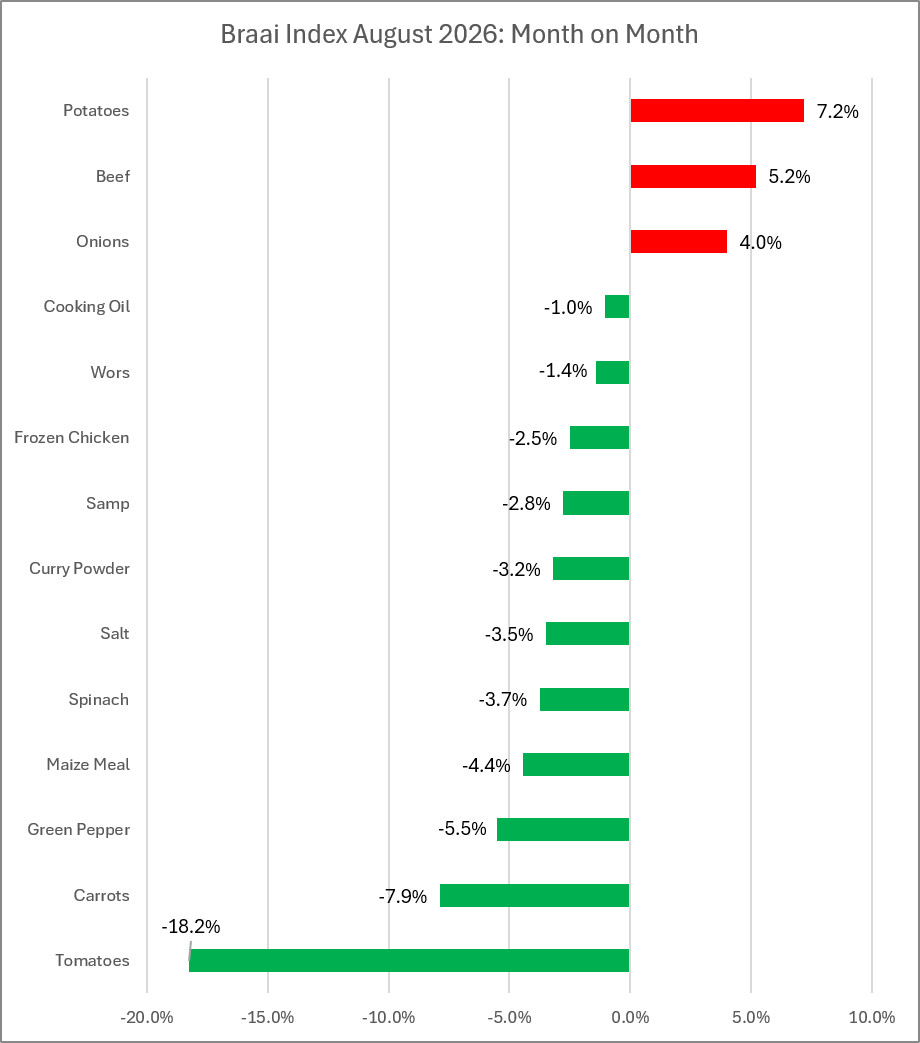
The index, which tracks a basket of food items used for hosting a braai, showed a 2.6% price deflation between July and August 2026, reflecting a slight easing of pressure following four months of increases.
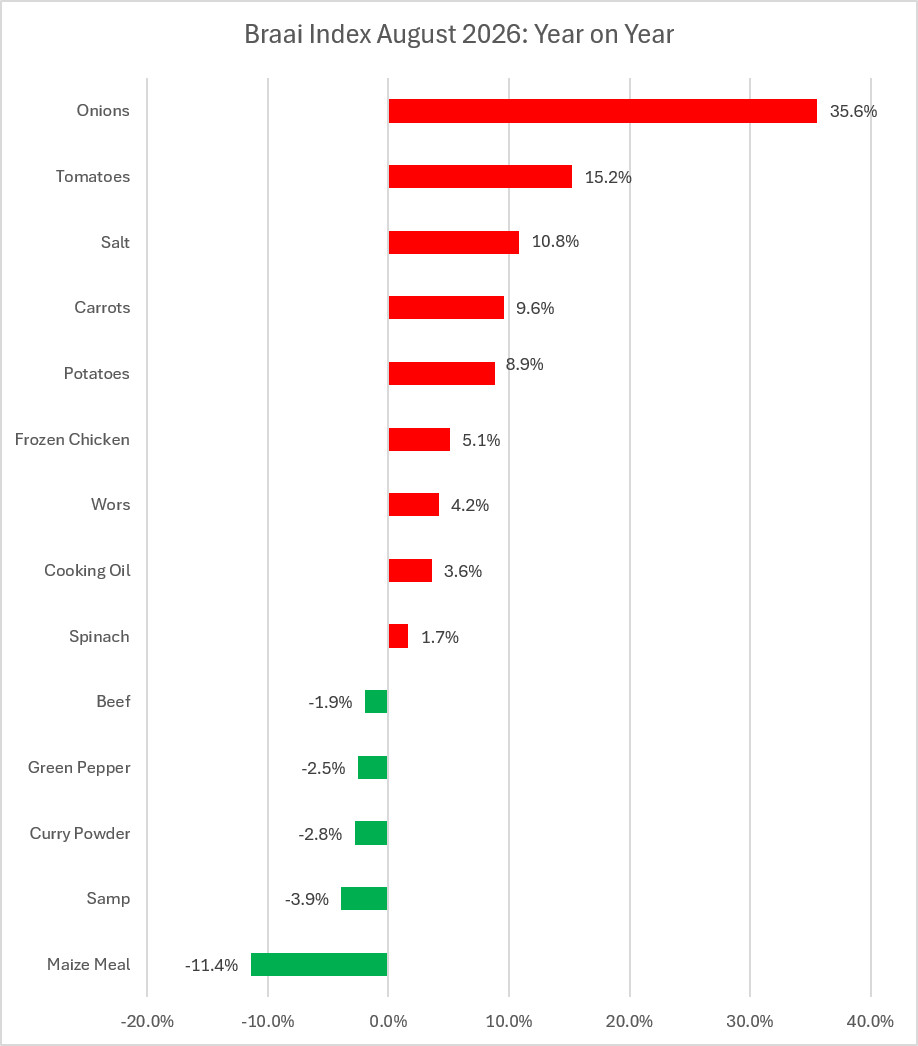
However, the year-on-year index recorded inflation of 3.1%, following 2.6% in July and 1% in June, marking an upward trend.
Some consolation in the data is that basket inflation is still below the July headline inflation rate of 4.3%, and around the Reserve Bank’s target of 3%.
However, the August reading for headline CPI is expected to accelerate to around 5%, the period which the latest Braai Index covers.
Higher inflation is expected to track rising fuel prices, with August seeing a R1.30-per-litre increase in diesel prices—the fuel used in industry and transport.
The Braai Index leads the official headline figures (due 23 September) and does not reflect broader food inflation, focusing instead on the ingredients and foods used in a braai.
For example, food inflation recorded by Stats SA declined to 0.9% in July, marking the lowest print in more than 16 years. Despite this, the Braai Basket rose 2.6% y/y that month.
This means that while overall food inflation is generally lower, consumers shopping in certain categories—such as those looking to host a braai—may find themselves paying more.
The Braai Index is compiled monthly by BusinessTech using pricing data from the PMBEJD group. Its methodology originated from Bloomberg.
The PMBEJD’s data reflects actual prices across South Africa’s major provinces and includes items typically found in the shopping baskets of most South African households.
The basket consists of meat (beef, wors, chicken portions), vegetables (spinach, carrots, tomatoes, potatoes, onions, green peppers), and other items (samp, maize, curry powder, salt).
It’s important to note that the index is based on data from PMBEJD, which excludes other protein sources like pork and lamb; therefore, these alternatives are not included in the analysis.
Because of this, recent price increases tied to beef—and the Foot and Mouth Disease outbreak—have had a significant impact on the index’s reading and trends.
Braai Index August 2026 Month-on-Month [-2.6%]
Braai Index August 2026 Year-on-Year [+3.1%]
Red flags for the months to come
Worryingly, the prospects for the Braai Basket in the months ahead are also strained, with South Africa seeing another significant fuel price hike in September, and another on the cards for October.
The fuel price surge is being driven by rising global oil prices, which have once again crossed the $100-a-barrel mark.
Tensions reignited in the Middle East between the United States and Iran in mid-July, after peace talks between the two nations collapsed.
Since then, markets have been on edge, responding to new developments as they arise and pricing in an extended conflict with no end in sight.
The result is tighter oil supplies, higher fuel prices, and a greater burden on local costs, feeding inflation. Economists have warned that this is likely to persist into 2027.
It’s also in 2027 that South Africa is expected to face its next big risk to food, specifically, with a ‘super El Niño’ anticipated to hit.
According to Agbiz Chief Economist Wandile Sihlobo, El Niño conditions could bring drought to the country, which would affect the next crop season.
While the country has had a bumper year in the 2026 season, helping to keep food prices contained, this may not be the case going forward.
“We are heading into a challenging 2026/27 season ahead, and the South African Weather Service is warning us,” he said.
“This is not a call for panic, but an understanding that the agricultural sector may underperform in 2027 as the drought weighs on it.”
Investec Chief Economist, Annabel Bishop, is also optimistic that South Africa will stave off the worst of it.
In a note, she said that the impacts of El Niño will not be the same everywhere, and “a very severe El Niño effect is not forecast for South Africa”.
However, she warned that weather forecasts carry risk, and that many factors are at play, including possible knock-on effects to inflation and growth.
More positively, certain food categories should benefit from price stability from the 2026 crop yields, while meat prices have continued to normalise following the FMD outbreak.















 Loading ...