

The private company costing South Africa R20 billion a year


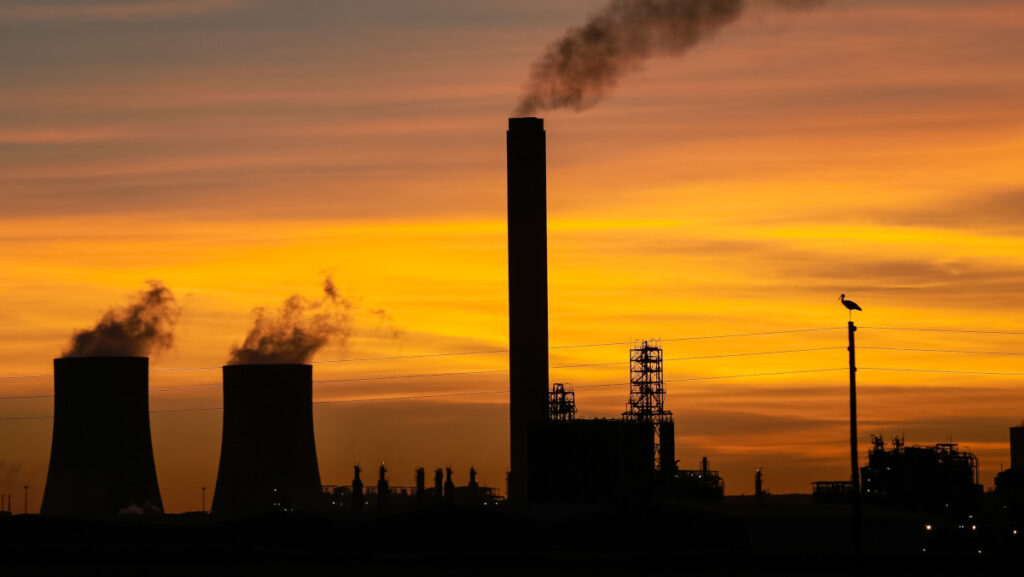
Sasol is a significant provider of jobs and plays a vital role in the economy. However, it faces serious criticism for its severe air pollution, which has devastating health impacts on the local population.
This pollution is estimated to cost the South African economy approximately US$1.0 billion (R19 billion) each year.
A recent report published by the Centre for Research on Energy and Clean Air (CREA) indicates that air pollution from Sasol’s Secunda facility constitutes a public health crisis requiring urgent government intervention.
The report highlights the conflict between Sasol’s value as an employer and the physical harm it causes to local and regional populations, particularly affecting children.
The immense coal-to-fuels-and-chemicals complex, located 140 kilometres east of Johannesburg, is the largest single-site emitter of climate-warming gases in the world.
It also releases pollutants such as sulfur dioxide, nitrogen dioxide, and particulate matter.
“Air pollutant emissions from Sasol Secunda are associated with a substantial public health burden,” said CREA.
“The burden includes mortality, acute respiratory illness, chronic disease, adverse birth outcomes, child health impacts and productivity losses.”
CREA’s latest report calls on South Africa’s environmental minister to implement stricter, binding emissions limits, enhance transparency, and prioritise the needs of affected communities in air-quality planning.
The Sasol Secunda coal-to-liquids facility is located in South Africa’s Highveld Priority Area (HPA), a region designated for air quality management due to its high pollution levels.
For the past 50 years, emissions from the facility, often characterised by a “rotten egg smell,” have adversely affected local residents, with some pollution travelling up to 150 km to cities like Johannesburg and Pretoria.
In 2024 alone, the facility emitted 112 kilotonnes of sulfur dioxide (SO₂) along with significant amounts of hydrogen sulfide (H₂S). The emissions pose a severe threat to children, who have been the most affected.
About 1,000 deaths are attributed to particulate matter (PM₂.5) and nitrogen dioxide (NO₂) from the facility, resulting in a cumulative loss of 23,800 years of life across the population.
These emissions are expected to contribute to around 1,100 preterm births, an increased risk of low birth weight, and a higher burden of childhood asthma.
The pollution is also associated with 2,000 asthma-related emergency room visits during the same period, with nearly half (930) occurring among children aged 0 to 17.
Sasol Secunda granted with alternative emission limits
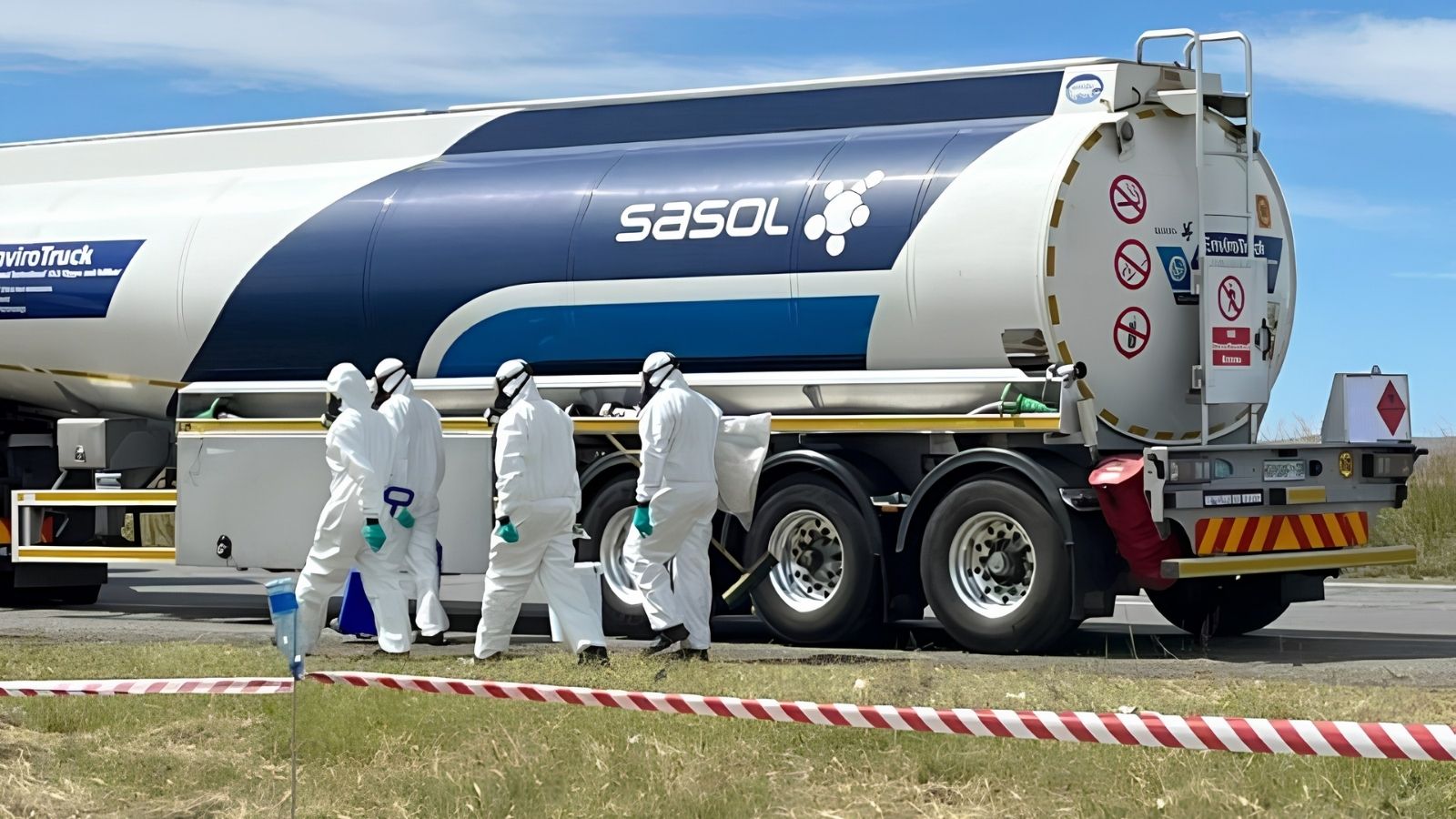
The cumulative health impacts of the facility’s air pollution are estimated to cost the South African economy around US$1.0 billion (R19 billion) annually.
Sasol Secunda has been granted alternative sulfur dioxide (SO₂) emission limits that are less stringent than South Africa’s Minimum Emission Standards (MES).
These alternative limits allow the facility to release significantly more SO₂ than normally permitted, resulting in 112 kilotonnes of SO₂ emissions in 2024 alone.
CREA said that the facility should meet more stringent emission limits to deliver substantial public health and economic benefits, particularly for the vulnerable communities living in and around the Highveld Priority Area.
To address this crisis, CREA urges the South African government to review Sasol’s alternative limits for sulfur dioxide (SO₂) to prioritise public health.
CREA also recommends enforcing binding annual emissions reductions for SO₂, nitrogen oxides (NOₓ), particulate matter, and hydrogen sulfide across the entire facility.
The organisation encourages greater transparency by strengthening emissions reporting and making independent monitoring data publicly accessible.
CREA urged the government to protect public health by tightening national air-quality regulations and placing affected communities at the centre of air-quality planning and enforcement
Sasol replies:
“We are committed to improving air quality in the Highveld Priority Area while supporting South Africa’s energy transition.
We operate in accordance with the requirements of our Atmospheric Emission Licences (AELs) and remain committed to compliance with applicable air quality regulations.
In support of improved ambient air quality, Sasol submitted its Emission Reduction and Management Plan for the Highveld Priority Area in September 2025 and is awaiting feedback from the licensing authority.
We continue to monitor, report and disclose our environmental performance to the relevant authorities in line with regulatory requirements.”
















 Loading ...