

Trouble brewing for homeowners in the Western Cape


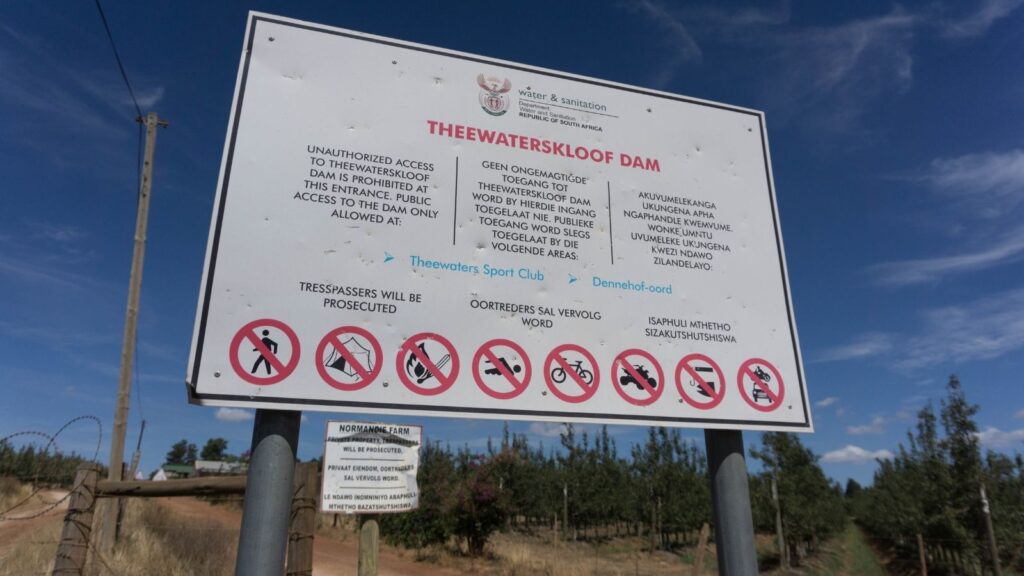
Homeowners in the Western Cape could soon face water restrictions as the region enters another El Niño cycle.
This is because the El Niño cycle is expected to intensify heat and place additional pressure on water supplies.
This was the feedback from Teboho Mofokeng, a lecturer in the Department of Civil Engineering at the University of Cape Town and researcher at the Future Water Institute.
In an interview with Cape Talk, he warned that the province must prepare for a future in which water conservation becomes a permanent part of everyday life.
He said long-term trends suggest that the region will become increasingly dry, while El Niño could worsen the situation by bringing higher-than-normal summer temperatures and compounding the effects of inadequate winter rainfall.
El Niño is a naturally occurring climate phenomenon that typically returns every two to seven years. For South Africa, its effects vary by region, but it can bring hotter conditions and reduced rainfall to areas that rely on summer rain.
In the Western Cape, the concern is that warmer summers will increase water consumption while the region may be recovering from a poor winter rainfall season.
“The underlying current is that our temperatures are already getting warmer due to climate change. So by the time the El Niño cycle comes, it just multiplies those warmer temperatures,” Mofokeng said.
Mofokeng said the country needed to accept that these pressures are part of the changing climate and urgently adapt to this reality instead of waiting until water shortages reach crisis levels.
The immediate risk is that water restrictions could return as the Western Cape approaches the busy holiday season.
Coastal municipalities typically receive an influx of domestic and international visitors during December, which increases demand for water during a period when supplies need to last well into the following year.
Residents asked to reduce consumption by 10%
Mofokeng warned that the consequences of poor conservation over the holiday period could become apparent in 2027 if the region does not receive sufficient rainfall.
“It is serious. If we don’t have rain in the coming year, how we spend the short few weeks in December will be very telling of what 2027 will look like,” he said.
He said holidaymakers needed to be included in conservation efforts, as water security was a shared responsibility between permanent residents, visitors and municipalities.
Although the Western Cape is not facing the same immediate circumstances as it did during the 2015–2018 drought, Mofokeng said residents should not abandon the habits developed during Cape Town’s near-Day Zero period.
Research he conducted into household preferences for alternative water sources found that people living in the Western Cape were more likely to support using alternative supplies for purposes that do not involve direct contact, such as drinking or cooking.
He said some of these behavioural changes had endured, which demonstrated that households could adapt when water conservation became a priority.
However, homeowners also need to be careful not to rely too heavily on boreholes to compensate for municipal restrictions.
Mofokeng warned that widespread groundwater use could deplete aquifers faster than they could naturally recharge, particularly if households continued using borehole water to maintain swimming pools.
Dams supplying Cape Town are only around 75% full. Dam levels typically need to reach at least 80% by the end of October to avoid restrictions.
The City of Cape Town has already asked households to reduce consumption by at least 10%.
“We don’t have to be within the Day Zero context to respect water and to conserve water in the way that we did in Day Zero,” Mofokeng said.
He added that saving water could also help households manage their finances as pressure on municipal supplies and infrastructure increases.


















 Loading ...