

Hijackers are targeting 2 discontinued cars in South Africa in 2026


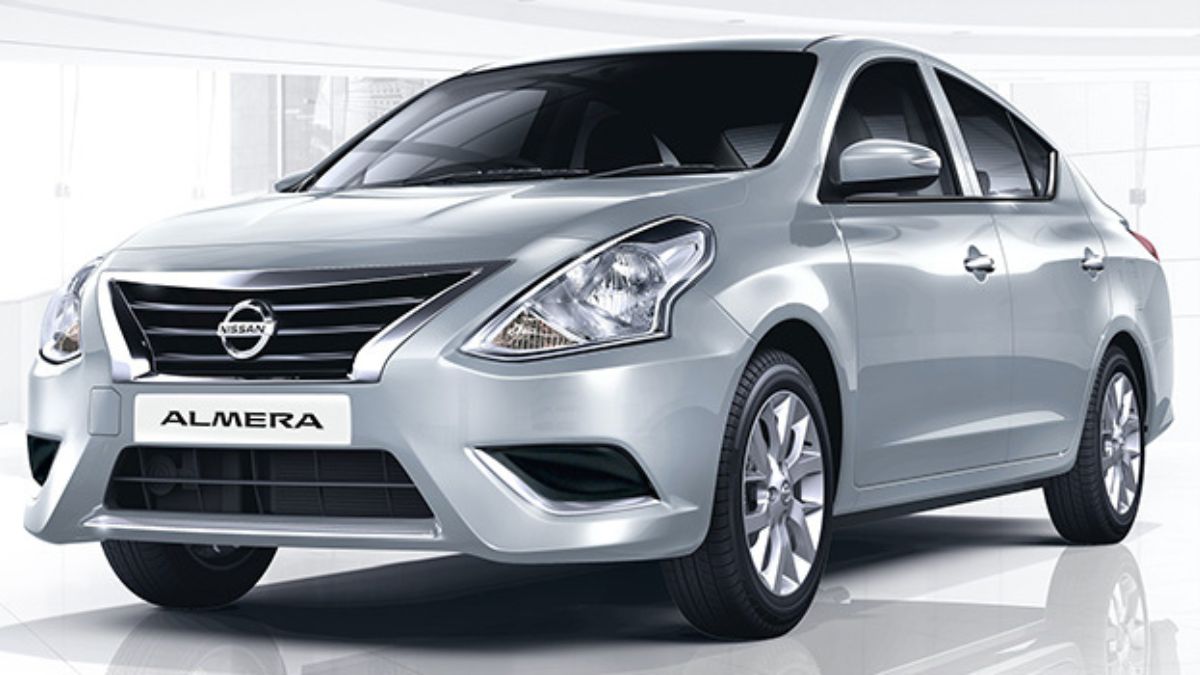
The discontinued Nissan Almera and NP200 are still in the crosshairs of hijackers in South Africa in 2026, with security experts warning that demand for parts is driving their demand.
The Nissan Almera first made its local debut in 2001, establishing itself as a practical and affordable sedan.
The third-generation model arrived in South Africa in August 2013, imported from India and marketed as a global vehicle.
While updates over the next decade were limited, Nissan South Africa introduced minor styling changes in September 2014, just a year after launch.
Over time, the Almera gained a strong following among rental companies, fleet operators, families, and budget-conscious buyers.
Its appeal was in its pricing, generous rear legroom, substantial 490-litre boot capacity, and reputation for reliability.
The model became particularly popular among lower-income motorists and in segments such as the taxi industry. As recently as early 2023, it was the country’s second-best-selling sedan.
Despite this success, shifting consumer preferences toward SUVs and crossovers, along with its ageing design and changes in Nissan’s local product strategy, led to its discontinuation.
However, its exit from the showroom floor has not reduced its attractiveness to criminals.
According to the Fidelity Services Group, hijacking trends in 2026 are expected to follow a cyclical pattern similar to 2025.
Wahl Bartmann, Group CEO of Fidelity Services Group, said recorded hijackings typically dip early in the year before rising again as economic activity gains momentum.
“Recorded hijackings are expected to continue following the cyclical pattern observed in 2025, characterised by short-term declines followed by renewed increases,” Bartmann told BusinessTech.
“Following the reduction recorded in January 2026, risk levels are likely to remain subdued through February. However, a gradual escalation is anticipated from March into April 2026.”
Bartmann explained that these fluctuations are closely linked to demand-and-supply dynamics within the criminal economy.
Lower economic activity at the start of the year generally suppresses incentives for organised crime.
As goods, people, and money begin moving more actively through the economy later in the first quarter, opportunities for hijacking syndicates increase.
Discontinued targets
Data from Fidelity ADT indicated that eight vehicle models are currently most frequently targeted.
These include the VW Polo (all variants), Hyundai Grand i10, Nissan Almera, Toyota Quantum, Hyundai Venue, Suzuki Ertiga, and the Nissan NP200.
“These vehicles are widely available in the domestic market and are associated with strong demand for resale or stripping for parts, making them attractive targets for organised criminal groups,” Bartmann said.
High sales volumes translate directly into sustained demand for spare parts. Chop shops and illegal resale networks rely on a steady supply of components to meet the needs of motorists looking for affordable replacements.
The Nissan Almera joins another discontinued model, the NP200 bakkie, which remains a prime target.
The targeting of the NP200 intensified after its discontinuation was first noted at the end of 2024, reinforcing the pattern that production halts do not reduce criminal interest.
Vehicle tracking company Cartrack has echoed these concerns, highlighting the sharp rise in thefts of specific components.
Wheels, tyres, tailgates, batteries, and airbags are among the most commonly stolen items, as they can be removed within minutes and are difficult to trace.
Cartrack estimated that the illicit trade in stolen vehicle parts is worth around R442 million annually, which underscores the scale and profitability of the black-market industry.
Experts warned that the discontinuation of models like the Almera and NP200 may, in fact, heighten the risk. As production ceases, legitimate spare parts inevitably become scarcer.
That scarcity can drive up prices and increase demand in the informal market, further incentivising hijackers to target these vehicles.


















 Loading ...