

One of South Africa’s biggest private property groups sends a message to the Reserve Bank


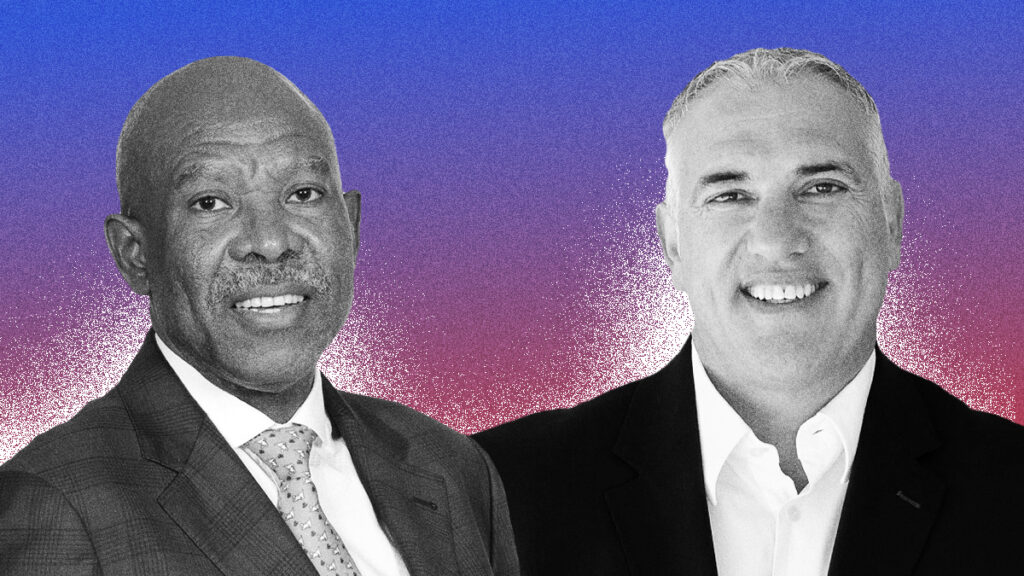
Samuel Seeff, chairman of one of South Africa’s biggest private property companies, Seeff Property Group, has called on the South African Reserve Bank (SARB) to think twice before being too hawkish on interest rates.
His comments come ahead of the MPC meeting this week, with the SARB closely monitoring financial markets following the worst bond selloff since the onset of the Covid-19 pandemic.
Following the sharp increase in oil prices and global volatility due to conflict in the Middle East, any chance of a near-term rate cut has been priced out.
Forward-rate agreements now point to a 25-basis-point hike by the end of the year. Markets had previously seen between two and four rate cuts from the South African Reserve Bank (SARB) over the next 18 months, with inflation seen as being under control.
According to Ashburton Investments, the three-month forward rate beginning a year from now has moved from pricing in three cuts at around 6.07% to pricing in four hikes at 7.90%.
Botha said this marks a 183-basis-point shift since 17 February, and paints a worrying picture for the path of interest rates in South Africa.
Against this backdrop, Seeff has joined calls from within the property sector for the Reserve Bank to keep the repo rate unchanged at its upcoming meeting.
“While the oil price spike and speculation of a higher petrol price are putting upward pressure, this volatility due to the Middle-Eastern war must be seen as temporary rather than a reason for a premature rate hike,” he said.
Seeff also stressed that South Africa’s economic indicators do not justify a rate increase. The rand has remained relatively stable, trading below R17 to the US dollar, while inflation has stayed within the Reserve Bank’s revised target range.
Additionally, inflation eased to 3.0% in February, down from 3.5% in January and 3.6% in December.
Consumers and the economy are under pressure

He further argued that the central bank missed a golden opportunity to cut rates in January, considering the favourable inflation figures and strong rand.
“Rather than providing a vital boost to the economy and property market, we now have a situation where the interest rate may be at risk due to a temporary glitch in oil prices,” he said.
According to Seeff, the Reserve Bank has been overly cautious in its approach, resulting in rate adjustments that have been too slow and too limited to stimulate growth.
This is reflected in South Africa’s subdued economic performance, with GDP growth coming in at just 0.4% for the final quarter of 2025 and 1.1% for the year, below the central bank’s own projection of 1.3%.
Seeff added that the sluggish growth has been mirrored in the property sector. He noted that while headline property price increases—particularly in the Western Cape—may suggest strength, the broader market tells a different story.
Sales volumes remain about 19% lower than levels seen in 2021 and 2022. Data from ooba Home Loans supports this trend.
Although the value of mortgage applications has improved slightly in recent months, the number of applications remains well below previous peaks.
Seeff said that while confidence is beginning to return amid a slightly improved economic outlook, neither the economy nor the property market has experienced a meaningful boost from past rate cuts.
He warned that raising interest rates now could undermine this fragile recovery. South African consumers are already under pressure from rising electricity tariffs and fuel costs, and additional increases in debt servicing costs would only deepen the strain.
“Economic stability is now vital, and the market should not be unsettled by a rate hike which adds to the existing pressures on consumers and the economy,” he said.
Seeff stressed that households have not been engaging in excessive spending and do not warrant further financial tightening.
















 Loading ...