

5 things you need to know in South Africa today
·5 Oct 2016


Here’s what is happening in and affecting South Africa today:
- Wits University has agreed to resume classes on the 10th of October as protest actions continues on its campuses. The institute reached an agreement with student representatives on the date, and also agreed to remove police from the perimeter of the university, on condition that the violent protests cease.
- The portfolio committee on communication will today meet with the SABC board, and is expected to give the group a grilling regarding the reappointment of Hlaudi Motsoeneng to an executive position. The ANC is unhappy with the decision to reappoint the controversial former COO, and is looking to sack the entire board.
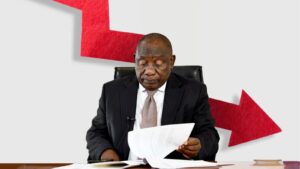
- The International Monetary Fund has cut its 2017 economic growth forecast for South Africa in 2017. The country is now expected to grow by only 0.8% next year, from a 1.0% projection in July. Finance minister Pravin Gordhan said that SA’s growth in 2017 will be above 1.0%. SA’s growth forecast for 2016 was cut to just 0.1% by the IMF in July. Treasury sees growth at 0.4% for the year.
- Public Protector Thuli Madonsela saved the best for last as her tenure draws to a close – by grilling the president himself over claims of state capture and corruption involving the Gupta family. Madonsela on Tuesday interrogated Ajay Gupta on the matter, though she is yet to speak to the other Gupta brothers who are said to be involved with the scandal.
- The South African central bank governor said on Tuesday the decline in consumer inflation to within the bank’s target range of 3-6 percent was expected to be temporary and that there was no room for complacency in monetary policy. The rand weakened against the dollar on Tuesday, mainly reflecting broad dollar strength on resurgent U.S. interest rate hike expectations.
- R/USD – 13.81
- R/GBP – 17.58
- R/EUR – 15.48
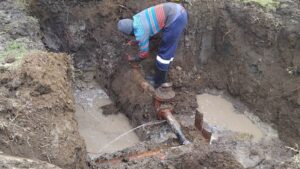
In other news: Joburg’s water services are under severe pressure and are at risk of collapsing if citizens don’t take the necessary measures to control their water use. Water minister Nomvula Mokonyane says that anyone ignoring water restriction rules could face severe fines or even prison time. Municipalities have 15% less water that what they usually receive.













 Loading ...