

One silver lining for unemployment in South Africa


In the latest Quarterly Labour Force Survey (QLFS), the informal sector was the only area which reported job growth, but the sector could be far larger than reported.
The data showed that South Africa’s unemployment rate rose from 32.7% in the first quarter of 2026 to 33.6% in the second quarter.
This represents a 0.9% increase despite efforts to boost the country’s economic growth and create work opportunities.
The largest drop was seen in South Africa’s formal economy, which recorded roughly 41,000 fewer jobs than in the first quarter of 2026.
The formal economy comprises traditional economic sectors such as mining, manufacturing, and finance, and is the best-known employment area.
Another economic sector involved in the QLFS is the informal sector, which saw its employment increase by approximately 34,000 people.
The informal sector is primarily made up of small businesses, such as spaza shops and at-home manufacturing.
These businesses are particularly prevalent in rural or township areas, where formal job opportunities are not as widely available.
The QLFS estimated that 3.57 million South Africans are currently working in the informal sector, but experts believe the number could be higher.
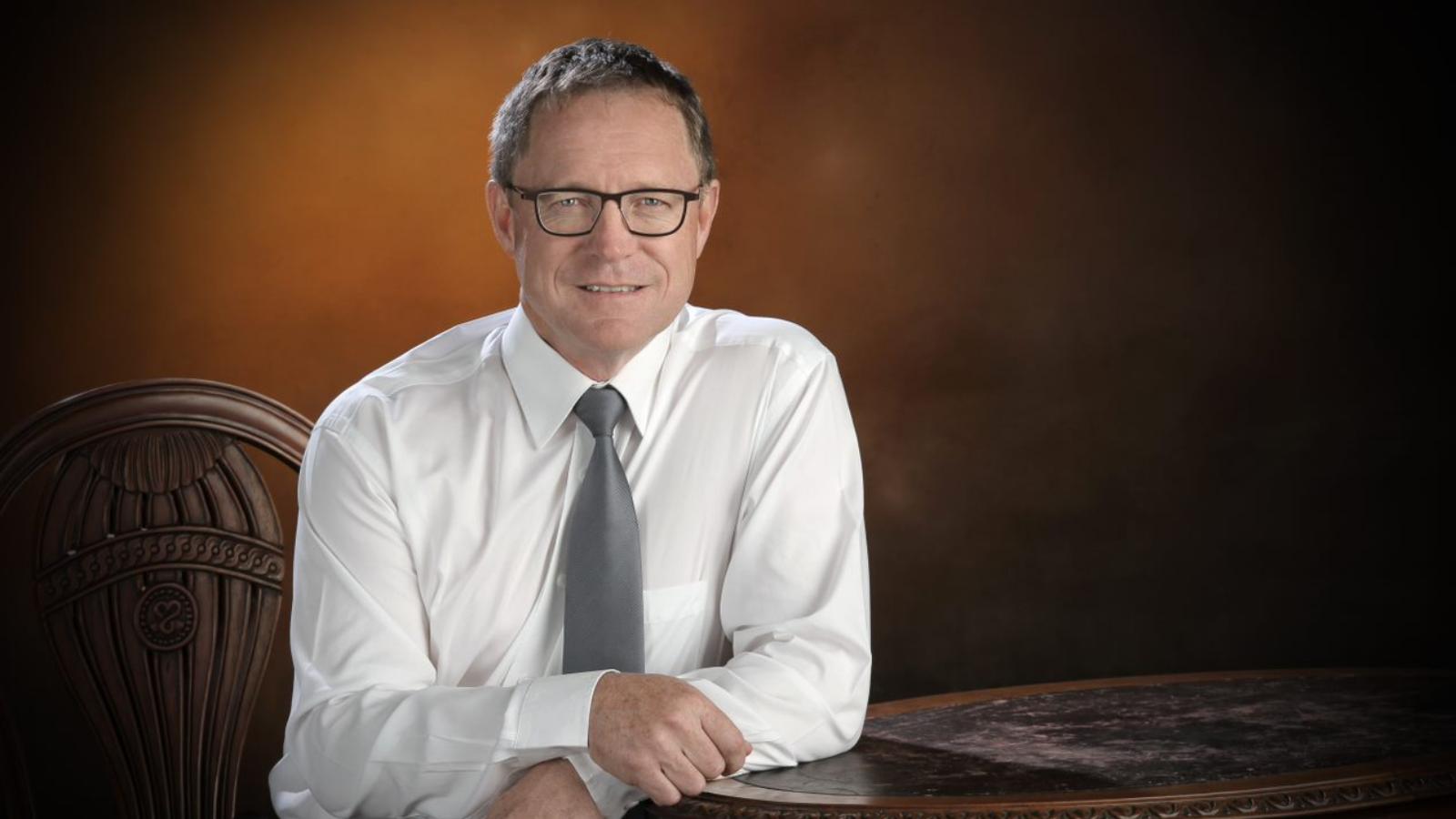
Speaking to BusinessTech, Efficient Group chief economist Dawie Roodt said he believes that South Africa’s informal sector is larger than currently estimated.
“I think there are more people working in the informal sector than what the official data says,” he said.
He added that Stats SA is accurately capturing the data it collects, but its methodology may not be the right approach to truly understanding the size of the informal sector.
“I believe that Stats SA is following the right processes and methodologies, but those processes and methodologies are not necessarily applicable to South Africa,” he said.
Understanding the size of the informal sector has been an ongoing challenge for South Africa, with some experts estimating its value to be approximately R1 trillion.
A common issue is that many informal businesses are not registered with the government, placing them outside of what can be accurately tracked and measured.
Good news for South Africa’s economy
Growth in the informal sector is good news for South Africa. Even if it is not comprehensively tracked, it still represents economic growth for the country.
South Africa has struggled in recent years to stimulate economic growth, with GDP growth reaching only 1.1% in 2025.
This is far below that of many other emerging economies globally, which often hover around 4% annual GDP growth.
Roodt noted that increasing GDP growth is the only way to realistically address South Africa’s current unemployment crisis.
To that end, any growth in employment should be welcomed.
“A growing informal sector is not a bad thing, as long as the economy grows, it doesn’t matter if it is formal or informal,” he said.
“I think what we can do is create an environment where we can grow both formal and informal parts of the economy.”
In recent years, South Africa’s government has made efforts to formalise township economies by simplifying small-business registration.
Currently, the QLFS estimates that the informal economy is less than a third of the size of South Africa’s formal sector.
Roodt reiterated that current measurements do not capture all parts of the current economy.
“Although the official numbers are right in terms of the methodologies they follow, the actual unemployment in South Africa is probably much lower,” he said.















 Loading ...