

Rand at 2-week lows as the ‘Ramaphosa rally’ loses steam


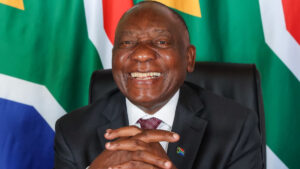
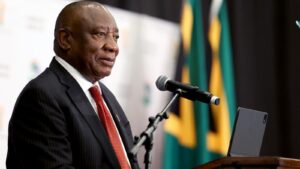
Despite a sense of optimism around newly elected president Cyril Ramaphosa and his changes to government, the economic effect of this sentiment is starting to give way to global headwinds.
The local currency has been riding a ‘wave of change’ that has been sweeping through the country, which has pushed it to almost three-year highs against the dollar.
However, as month-end demand for the dollar and the re-balancing of portfolios by international investors starts taking effect, the rand has pulled back, giving way for global headwinds.
By 11h00 on Thursday, the currency was trading weaker against all major currencies – hitting a 2-week low against the dollar:
- Dollar/Rand: R11.87 (-0.65%)
- Pound/Rand: R16.34 (-0.64%)
- Euro/Rand: R14.48 (-0.63%)
The rand has continued a three-session losing streak after markets reacted negatively to Parliament’s passing a motion to review the country’s land laws, to potentially make way for land expropriation without compensation.
The motion, which passed on Tuesday evening, sparked a brief sell-off that wiped 3.5% off the rand in a matter of minutes, making it the worst performing emerging market currency on the day.
According to Gordon Kerr, a fixed income trader at Rand Merchant Bank, the continued weakness into Thursday’s session has more to do with global factors, however, despite being exacerbated by the land issue.
With Ramaphosa’s cabinet reshuffle out of the way, the market has started looking elsewhere, beyond local politics, and repricing in line with the global macro environment, he said in a note.
Bianca Botes, Corporate Treasury Management at Peregrine Treasury Solutions said that the rand has broken through the R11.80/$ level “with some ease”, and is next targeting R11.90/$, after which a potential move above R12.00/$ could be reached “relatively quickly”, she said.
“This correction follows the US Federal Reserve’s announcement that we could potentially see more interest rate hikes than initially anticipated this year.
“Investors are now moving into dollar-denominated assets on the back of the stronger US dollar, but we are also seeing an element of fear in the markets as investors are positioning themselves for a risk-off environment by moving out of riskier emerging market assets,” Botes said.
Reshuffle reaction
Ramaphosa’s early week cabinet reshuffle was met with a mixed response, with many lauding the return of Pravin Gordhan and Nhlanlha Nene to government, but scratching their heads over some Zuma allies remaining.
Reaction from economists has been generally positive, however, with a Reuters poll published on Thursday finding that 17 out of 20 economists believed that the reshuffle would have a significant positive impact on South Africa’s economic confidence this year.
One economist said it would be very significant, while the remaining two said it would have an insignificant impact.
In that same sample, 18 indicated they were optimistic the country’s business sector would play a bigger part in job creation in the next two years. One economist was very optimistic while the remaining one was pessimistic.
“Both business and consumer confidence is likely to be boosted by the election of Cyril Ramaphosa to President of the Republic and the cabinet reshuffle that (followed),” said Jeffrey Schultz, economist at BNP Paribas in Johannesburg.
South Africa’s business confidence rose for a third month in a row in January to its highest since late 2015, on expectations the new leadership of the ruling party would stabilize economic policy, a survey showed last month.
“President Ramaphosa clearly has his sights set on improving the domestic business climate and promoting more public-private sector participation,” said Schultz.
Read: How the pound has reacted to the rand and the ‘Ramaphosa effect’ – and where it’s heading
















 Loading ...