

One South African province where rental prices shot up


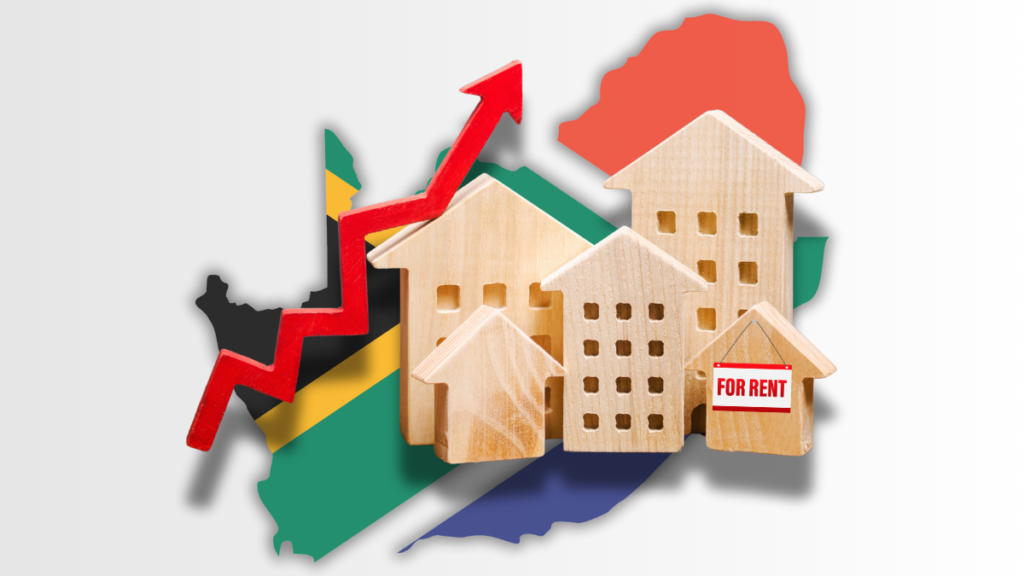
Over the past 10 years, renters across South Africa have had to dig deeper into their pockets to pay their bills, with the Western Cape experiencing dramatic increases.
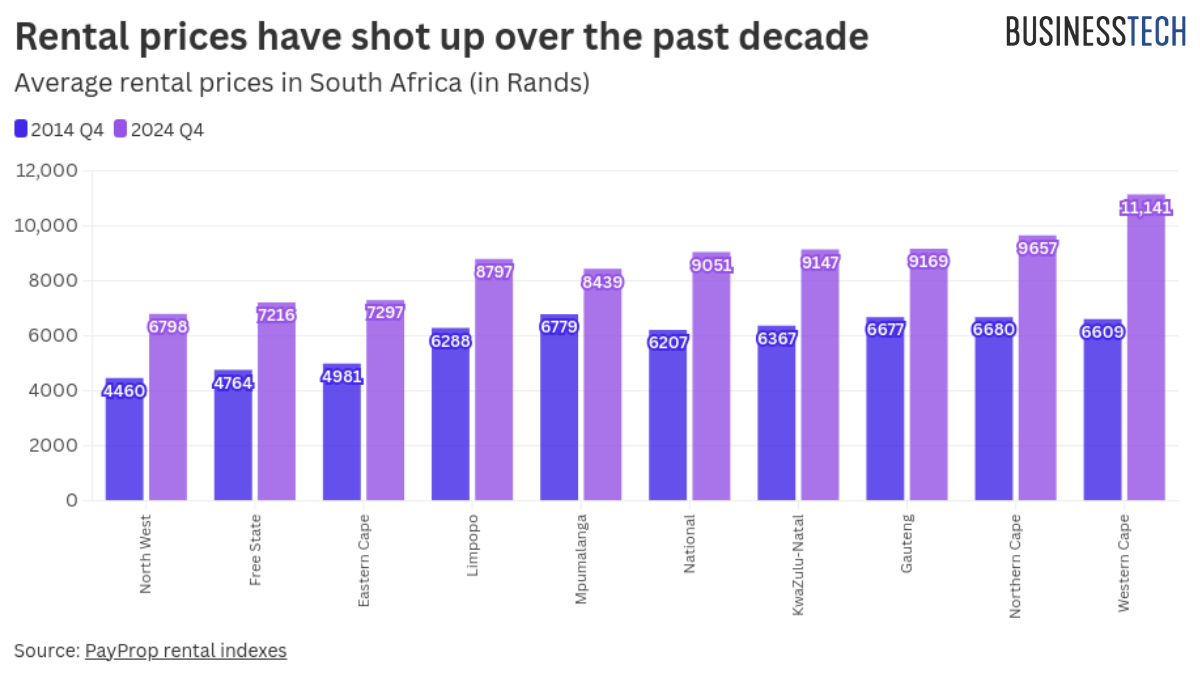
According to information sourced from PayProp Rental Indexes from Q4 2014 to Q4 2024, on average, rent has risen by nearly 46% nationally, with certain provinces witnessing even steeper hikes.
In 2014, the national average rent stood at R6,207. By 2024, it had climbed to R9,051, marking a 45.8% increase over ten years.
This translates to an average annual growth rate of around 4.6%, slightly outpacing South Africa’s average inflation rate over the same period.
This consistent upward trend has placed increasing pressure on tenants, with affordability becoming a growing concern in several regions.
Although all provinces saw a surge in rental costs, some experienced sharper increases than others. The highest provincial increases over the past decade, by percentage, have been:
- Western Cape – 68.5% increase (R6,609 → R11,141)
- North West – 52.4% increase (R4,460 → R6,798)
- Free State – 51.5% increase (R4,764 → R7,216)
- Eastern Cape – 46.5% increase (R4,981 → R7,297)
- Northern Cape – 44.6% increase (R6,680 → R9,657)
The Western Cape experienced the most significant absolute increase, with average rental prices rising by R4,532 per month.
The Western Cape’s popularity, driven by its lifestyle appeal and economic opportunities, continues to push rental prices upward, particularly in Cape Town.
The increase has made it the most expensive province for renters since 2016, currently 23% above the national average.
A big player in this is its thriving short-term rental sector on platforms like Airbnb and Booking.com.
The proliferation of short-term rentals, driven by the city’s booming tourism sector, inflates long-term rental prices to a point where locals struggle to compete.
Some critics have argued that this is linked to “tourism gentrification.”
Very broadly, tourism gentrification refers to the process where an influx of tourists staying in short-term rentals leads to the transformation of a neighbourhood, often resulting in rising property values and living costs that price out locals.
Additionally, it is further complicated by increasing housing demand and a slower increase in new housing supply.
“The province’s high property prices are a barrier to entry for investors, but for those who can afford to buy, the returns can make it very worthwhile,” said PayProp.
Additionally, the North West and Free State saw unexpectedly high increases, suggesting growing demand in these traditionally lower-cost regions.
Looking at the lowest rental growth over the past decade, as a percentage, this is seen by:
- Mpumalanga – 24.5% increase (R6,779 → R8,439)
- Gauteng – 37.4% increase (R6,677 → R9,169)
- Limpopo – 39.9% increase (R6,288 → R8,797)
- KwaZulu-Natal – 43.7% increase (R6,367 → R9,147)
Mpumalanga saw the slowest rental growth, with only a 24.5% increase over ten years, going from the most to the fifth most expensive province for rent over the decade.
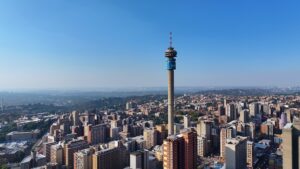
Gauteng, South Africa’s economic powerhouse, recorded a 37.4% increase, which is lower than the national average.
In 2014, Gauteng had among the highest rental costs, but by 2024, the Western Cape had surged ahead.
Meanwhile, the North West remains the most affordable province, though its rental costs have also increased significantly.
As rental prices continue to climb, affordability will remain a key issue for many South Africans.
With economic uncertainty and housing shortages in some areas, the next decade could see further shifts in the rental market, making it crucial for both policymakers and renters to adapt.












 Loading ...