

South Africa at risk of another own goal


South Africa is expected to be removed from the Financial Action Task Force (FATF) grey list later this month, but new corruption revelations could derail that progress and end up being an own goal for the country.
This is according to Stanlib Chief Economist Kevin Lings, who noted that the chances of being removed from the grey list are real, but so too are the risks of it being delayed.
“It’s a distinct possibility. We were put on the grey list in February 2023, so we’ve been on it for about two and a half years. Since then, South Africa has been working systematically to fix the 22 issues that the FATF highlighted,” said Lings.
By mid-2024, those efforts appeared to pay off. In June this year, the FATF released a report saying South Africa had made ‘substantial progress’ or had ‘mostly completed’ its remedial work.
The next step was for them to conduct a site visit, which they did in July. Treasury later confirmed that the visit went well and that the FATF would decide on our removal from the grey list at its plenary meeting on 24 October.
According to Lings, this meant there was “a reasonable expectation” that South Africa would be taken off the list. However, a recent development could change that.
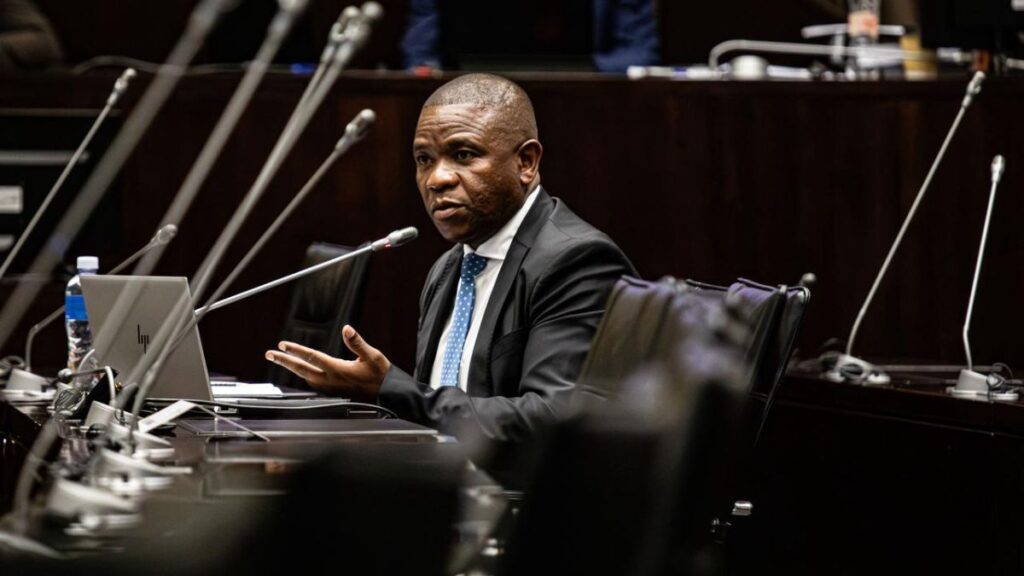
“There’s a twist to the story. The latest commission of inquiry into South Africa’s policing system has uncovered additional significant issues relating to corruption and maladministration,” he said.
He stressed that this is exactly the type of thing the FATF flagged as not being adequately addressed when it first grey-listed the country.
He warned that these revelations could prompt the FATF to pause any decision to remove South Africa from the list.
“There’s a risk they look at this and say, ‘Let’s hold off and see how South Africa responds to these findings,’” Lings said.
“They’ll want assurance that any new corruption uncovered won’t just result in another report that goes nowhere, but that real action will follow.”
Questions must be answered
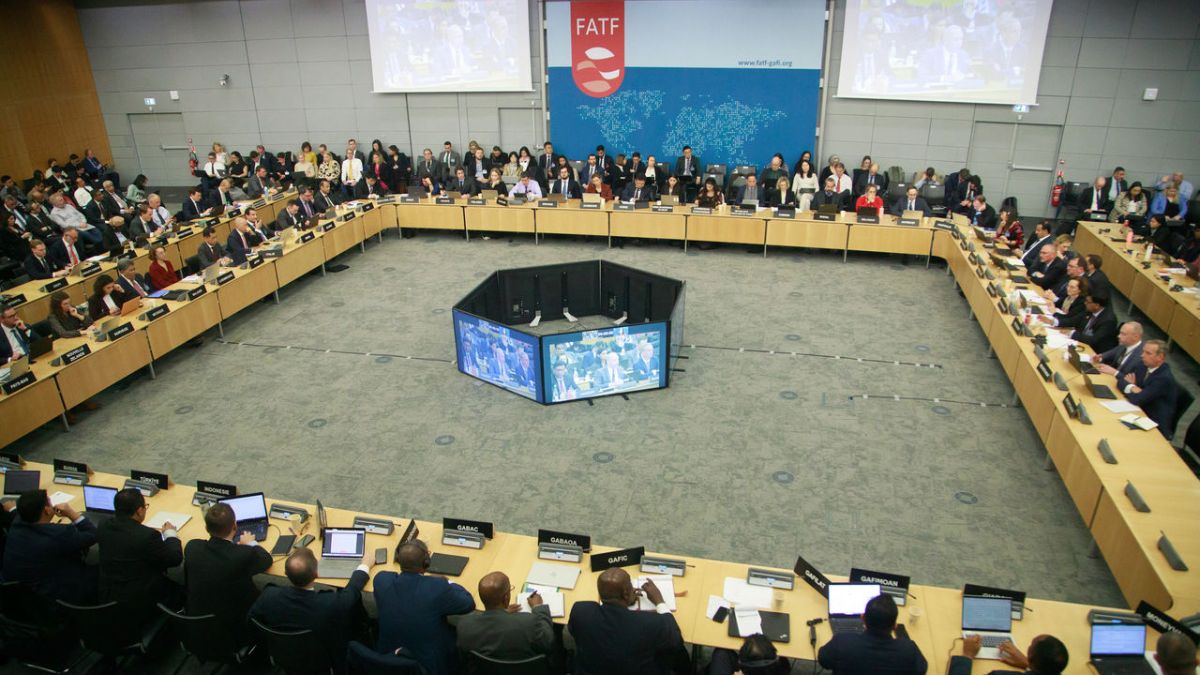
He reminded South Africans that the FATF grey list identifies countries with weaknesses in their systems for combating money laundering and terrorist financing. Being on it has significant economic consequences.
“It’s added a meaningful layer of cost to doing business, particularly internationally. More than half of South Africa’s GDP is trade-related, so all of those transactions now involve more paperwork, longer delays, and higher costs,” Lings said.
He added that the impact on investment has been clear. “Foreign investors look for safe environments to deploy capital, and being on the grey list is a red flag,” said Lings.
“You’re lumped into a group with countries like Nigeria, South Sudan, and Syria—not exactly places that inspire investor confidence. For a G20 country like South Africa, it’s an embarrassment.”
The result, he said, has been weaker investment and growth. “We’ve seen reduced investment in our bond and equity markets, less foreign direct investment, and overall sluggish economic performance.”
“It’s difficult to quantify exactly how much the grey list has hurt us, but it’s certainly been significant,” he added.
If South Africa were removed from the list this month, Lings believes it would be a “meaningful positive.”
“It would improve our international standing and possibly boost confidence, especially as the government tries to address other issues like low growth and poor service delivery,” he said.
However, he cautioned that the latest corruption inquiry could change the FATF’s assessment. “The task force can’t ignore what’s being revealed,” Lings said.
“It seems to show a broader scope of corruption and maladministration than previously thought. They may feel South Africa hasn’t done enough to address these problems—particularly in terms of prosecutions, where we’ve clearly fallen short.”
He added that this raises uncomfortable questions about South Africa’s capacity and political will to tackle corruption.
“Have we got the ability? Have we got the will? How far does it reach? Is the president implicated? All of these questions are going to come up,” he said.












 Loading ...