

Battle over higher alcohol taxes in South Africa


The National Treasury has been urged to adopt an inflation-linked alcohol excise framework, following large increases in recent years.
The National Treasury recently held a stakeholder consultation on South Africa’s future alcohol excise policy framework.
Excise taxes are seen as a relatively easy-to-implement form of revenue growth, with the health and societal dangers of alcohol meaning that the government can easily call for higher “sin taxes.”
While sin taxes on alcohol, cigarettes, and vapes are easy to justify, the controversy surrounding the proposed 2 percentage-point increase in VAT in 2025 shows that other tax increases are not.
In the 2026 budget, excise taxes on alcohol were raised by 3.4%. This was a relatively low amount compared to the 6.75% seen in the 2025 budget.
As excise taxes tend to be higher than inflation, South African Breweries (SAB) has called on the National Treasury to adopt a new alcohol excise framework.
SAB argued that the inflation-linked increase would protect government revenue, while also providing businesses and consumers with the certainty needed to invest, grow and create jobs.
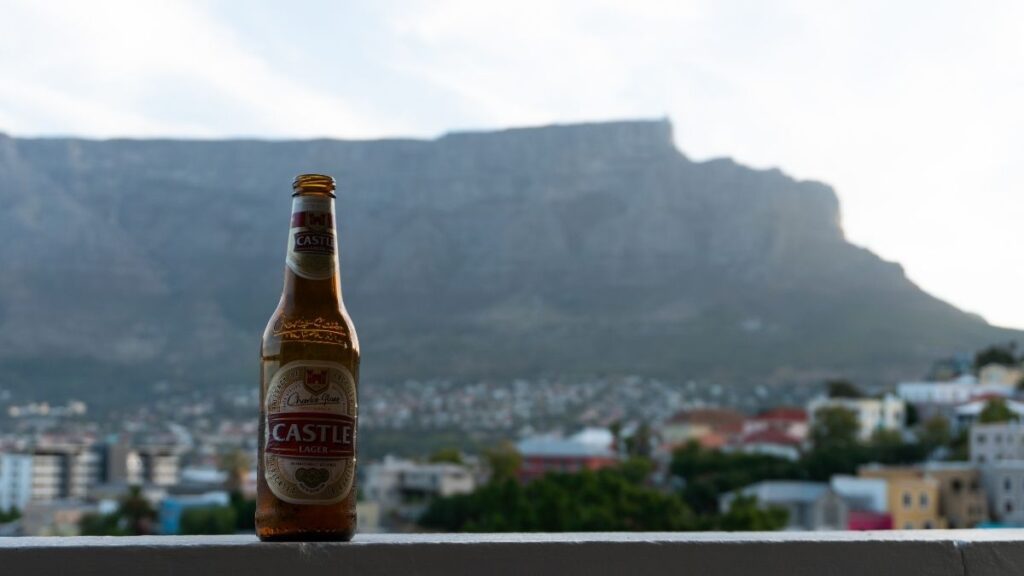
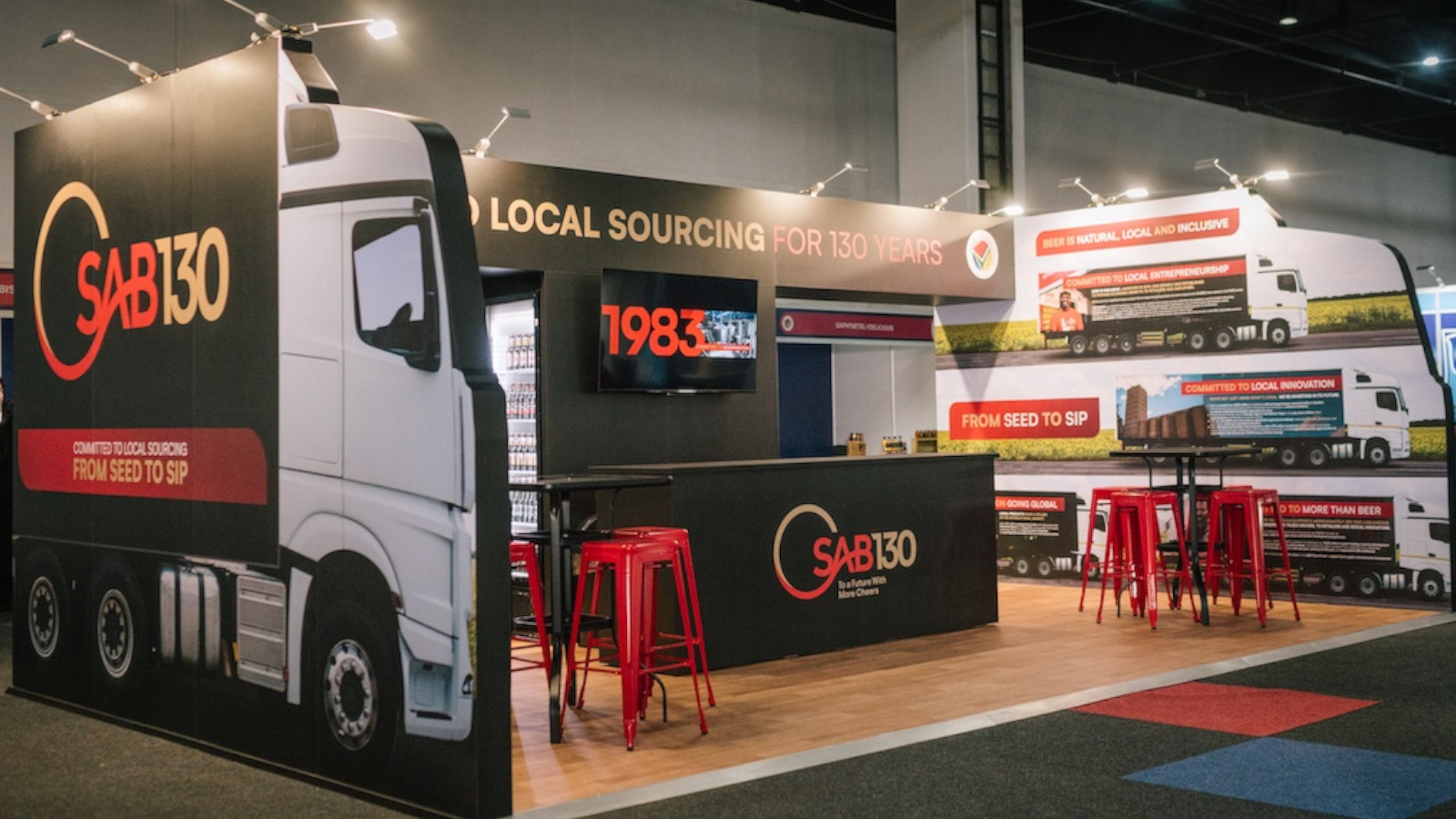
SAB noted that it is one of the largest manufacturers and taxpayers in South Africa, with brands such as Castle Lager, Carling Black Label, Hansa Pilsener, and more.
SAB said that using inflation-linked excise taxes would preserve the real value of government, while providing businesses, investors and consumers with predictability
“Sustainable economic growth requires a stable and predictable policy environment,” said Zoleka Lisa, Vice President of Corporate Affairs at SAB.
“Linking annual excise adjustments to inflation is a fair and predictable approach that protects government revenue while giving businesses the confidence to invest, create jobs and plan for the future.”
Support jobs
SAB said that a policy resulting in recurring above-inflation excise increases would place pressure on consumers, reduce spending power and hurt the beer value chain.
It argued that this would impact farmers, suppliers, retailers, hospitality businesses and the thousands of jobs they support.
It also highlighted the rise of the illicit alcohol trade, with massive price gaps between legal and illicit products that can further grow the illicit market.
It argued that a shift to the illicit market would undermine tax compliance, reduce government revenue and place additional pressure on legitimate businesses that follow the law.
SAB argued that a predictable inflation-linked approach would provide a balanced solution by maintaining the real value of excise revenue without introducing excessive tax escalation.
It said that such certainty would support long-term planning, boost investment and increase confidence across the wider beer economy.
It added that many international markets have adopted inflation-linked excise adjustment mechanisms that provide policy certainty while preserving the real value of government revenue.
“South Africa has an opportunity to implement an excise system that balances revenue collection with economic growth,” added Lisa.
“A predictable framework aligned to inflation can support consumers, businesses and government
alike, while helping to create the certainty needed for investment and sustainable growth.”
While SAB will hope for inflation-linked increases, consumers and businesses should still expect a significant increase in the tax.
Inflation in South Africa has skyrocketed from around 3% at the start of the year to 4.5% amid rising fuel prices.
Even if the 2027 budget had an inflation-linked increase, it would likely be higher than the 3.4% seen in the 2026 budget.









 Loading ...