

Ramaphosa’s message to Shoprite, Pick n Pay and other retail giants in South Africa


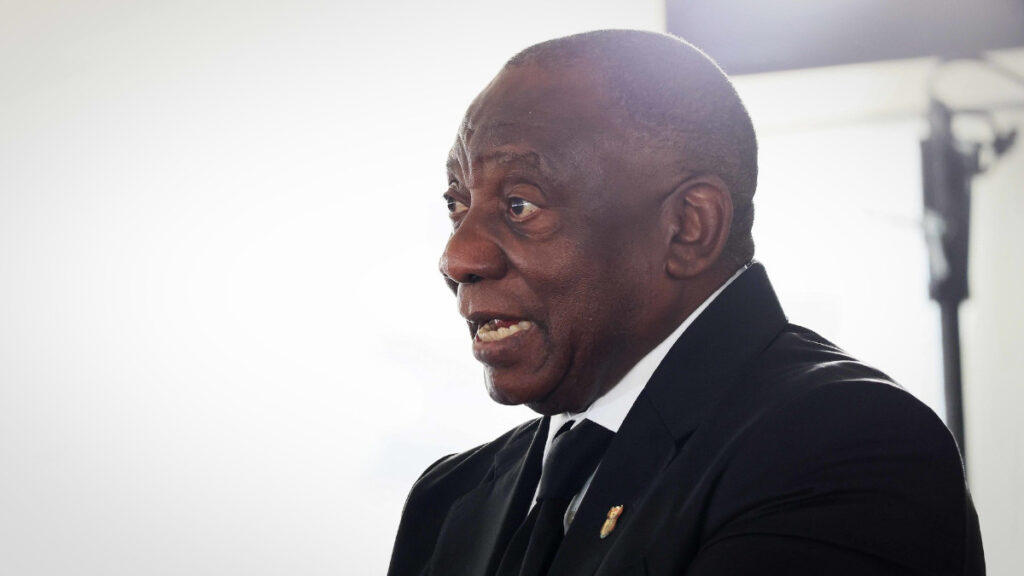
President Cyril Ramaphosa has urged South Africa’s grocery retailers to do more to bring down the cost of food in the country, and to steer clear of cartel behaviour.
In his weekly letter to the nation, the president said that food security and the rising cost of living were fundamental challenges that the Government of National Unity (GNU) sought to address at its founding.
Over the past year, however—rocked by internal and external factors—it has proven difficult to keep food inflation contained.
While headline inflation has fallen much lower than the previous years, tracked at 3.3% in August and expected to remain around the same levels in September’s reading later this week, food inflation has crept higher.
Last month, headline consumer inflation hit a ten-month high. Meat and vegetables are more expensive, putting household food budgets under pressure.
At the same time, Ramaphosa noted that a large portion of South African households are food insecure, despite government interventions like zero-rating essential products.
“In a context of high unemployment and poverty and limited economic growth, many households across the country are finding it difficult to afford nutritious food,” Ramaphosa said.
The president said that improving food security for individuals and households is a “society-wide effort”, and that the country’s retail giants could do more to help.
He acknowledged that food retailers themselves are under pressure as a result of external factors like rising energy and transportation costs, droughts and global supply chain disruptions.
But these should not remove the responsiblity of private sector retailers to do their part.
“The majority of South Africans are relying on supermarket retailers for their food supply; the private sector has an important role to play,” he said.
The president said the ‘Big Five’ retail companies—Shoprite, SPAR, Pick n Pay, Woolworths and Massmar—can and must play a far greater role in making nutritious food more affordable for South African households.
“We acknowledge the efforts being made in this regard by a number of retailers to keep their prices as low as possible, as well as initiatives to keep daily essentials affordable,” he said.
However, as retailers grow their market share among low-income households, “they have a responsibility to ensure this includes affordable healthy food choices such as plant and animal proteins, fruits and vegetables,” he said.
A different kind of cartel in South Africa
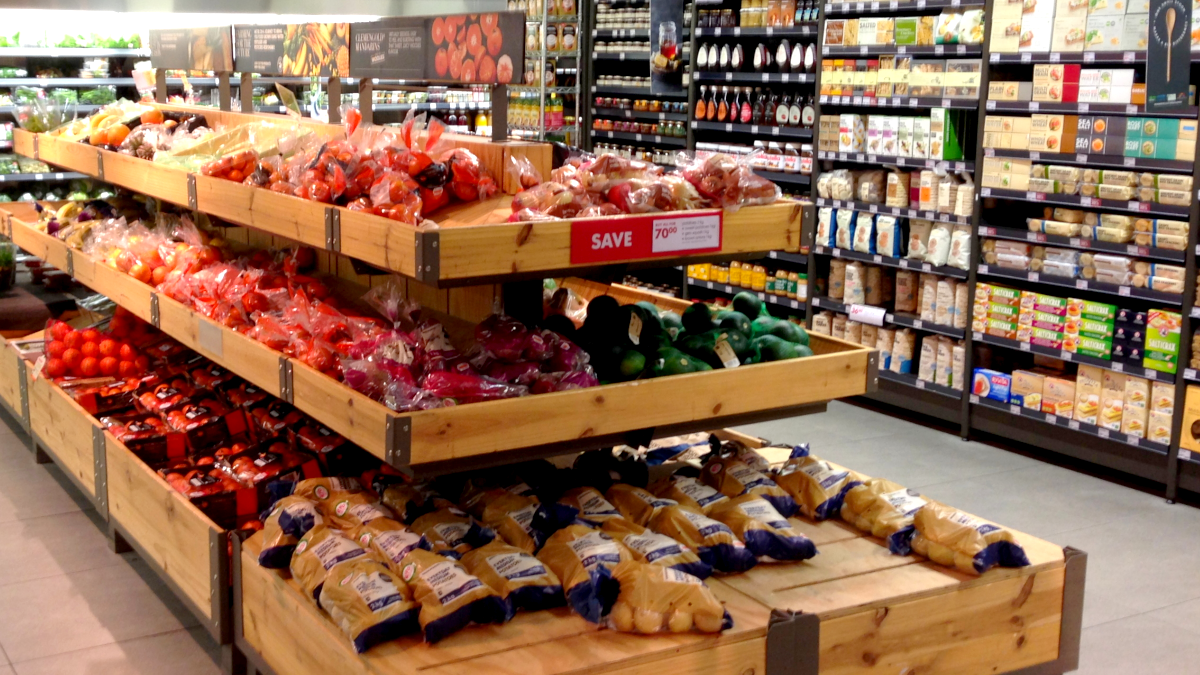
Ramaphosa also took the opportunity to point fingers at more unscrupulous activities in the private sector, noting that practices like price-fixing inflate food prices.
These are directly contributing to food insecurity for households, he said.
The president indicated that the Competition Commission’s inquiries into the food market have uncovered several instances of cartel behaviour.
In February 2025, the commission facilitated a R1 million settlement with an edible oils producer accused of price fixing.
The commission has also conducted inquiries into bread and milling cartels, into the grocery retail and fresh produce markets, and most recently, into alleged anti-competitive behaviour in the poultry industry.
In the commission’s assessment of the food retail market, it has also uncovered what it calls the “rocket and feather” effect, where retailers are quick to hike prices during times of market turmoil, but are slow to cut prices when the opposite happens.
Notably, it most recently pointed to certain times over the past five years where shelf prices for food items continued to increase while producer costs declined.
Various market events—avian flu, the egg crisis, etc—have impacted pricing, but even once resolved, there has been ‘price stickiness’ in the market, it said.
Some staples like canned pilchards have shown signs of responsible pricing at the retail level, but other essential food items, including eggs, individually quick frozen (IQF) chicken, brown bread, sunflower oil, and white maize meal, exhibit patterns of price stickiness and widening retail margins.
While Ramaphosa has turned attention to the private sector, it must be noted that the president does not address the government’s contribution to higher prices.
Earlier this year, the ANC-led GNU attempted to hike VAT to 17%, which would have had a devastating impact on food pricing.
While the change would have included additions to the zero-rated food basket, millions of households would have faced higher prices as a result.
The VAT hike was eventually reduced to 16% by 2026, passed through parliament by the ANC with support from parties outside the GNU (Action SA and BOSA) before being stopped in court by the EFF and DA.















 Loading ...