

Warning for anyone heading to the beach in South Africa


South Africa’s beaches are expected to be packed this festive season, and security experts and rescue services are warning holidaymakers to be extra cautious.
As December gets into full swing, crowds are already gathering at major coastal destinations, and both crime and dangerous ocean conditions are becoming more common.
Beaches in Cape Town, including Muizenberg, Camps Bay, and Bloubergstrand, typically attract large numbers of visitors during this time of year.
Durban’s Umhlanga, the Wild Coast’s Coffee Bay, and KwaZulu-Natal favourites like Margate are also preparing for heavy traffic.
This year, estimates indicate that more than a million additional international visitors are expected to arrive in Cape Town alone in 2025.
Table Mountain Aerial Cableway Company managing director Wahida Parker said this signals a strong start to one of South Africa’s most important tourism periods.
However, the crowds come with risks. Fidelity Services Group has, in recent years, warned that it has seen a clear rise in beachfront crime.
“We’ve seen an increase in muggings and other criminal activities along the beachfront across South Africa,” the company said.
“While the natural beauty of our beaches is a huge draw, it’s crucial for everyone to be mindful of their surroundings and take proactive steps to stay safe.”
Areas along the Eastern Cape’s Wild Coast have also reported more thefts and assaults, including around Coffee Bay.
Coastal parts of Gqeberha have also seen more muggings and petty theft. Safety experts advise people not to walk alone in quiet areas, especially at night.
Beachgoers are also advised to stick to well-lit, busy parts of the beachfront and avoid showing valuables, such as jewellery or phones.
They also suggest keeping bags zipped, planning routes ahead, and avoiding arguments that could escalate.
Cape Town is not the only major city expecting a flood of visitors. Durban expects around 1.3 million holidaymakers over December, and said its beachfront promenade, pools, and other facilities are ready.
The eThekwini Municipality has also confirmed that all 23 of its bathing beaches are safe for swimming.
“The beach water quality is continuously monitored by a team of expert scientists to ensure that Durban complies with water quality and safety standards,” the city said.
Criminals aren’t the only threat
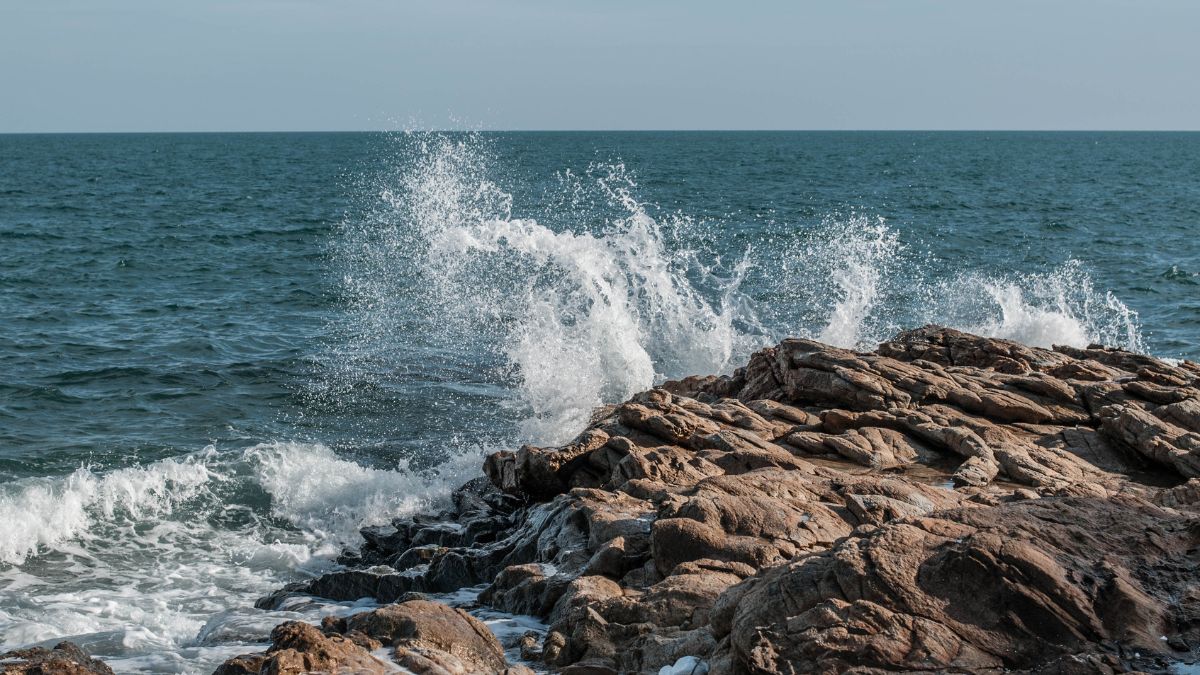
However, beachgoers face dangerous ocean conditions caused by a full moon spring tide.
The National Sea Rescue Institute (NSRI) has issued a strong warning after two recent incidents in KwaZulu-Natal where people were swept out to sea. One involved a child who was rescued; the other left an adult missing.
NSRI spokesperson Andrew Ingram explained that a spring tide happens when the sun, moon, and Earth line up, increasing the gravitational pull on the oceans.
This causes stronger waves and much more powerful rip currents. For anyone planning to swim, the NSRI said the safest choice is always to swim at beaches with lifeguards and to stay between the flags.
Rip currents are especially dangerous during spring tides, so swimmers should be alert. The NSRI also has advice for anglers, boaters, and paddlers.
Shoreline anglers should keep a safe distance from the water, and those fishing from rocks or cliffs should wear life jackets and carry basic flotation equipment, such as a sealed 5-litre container tied to a rope.
Anyone going out on a boat or paddle craft should always wear a life jacket, carry essential safety gear, and keep a charged cellphone in a waterproof pouch.
The organisation also warned against drinking alcohol before swimming or doing any water-related activity, as this is a major cause of accidents.
Parents and caregivers are reminded to supervise children closely at all times when near the water.


















 Loading ...