

Good news for chocolate lovers in South Africa


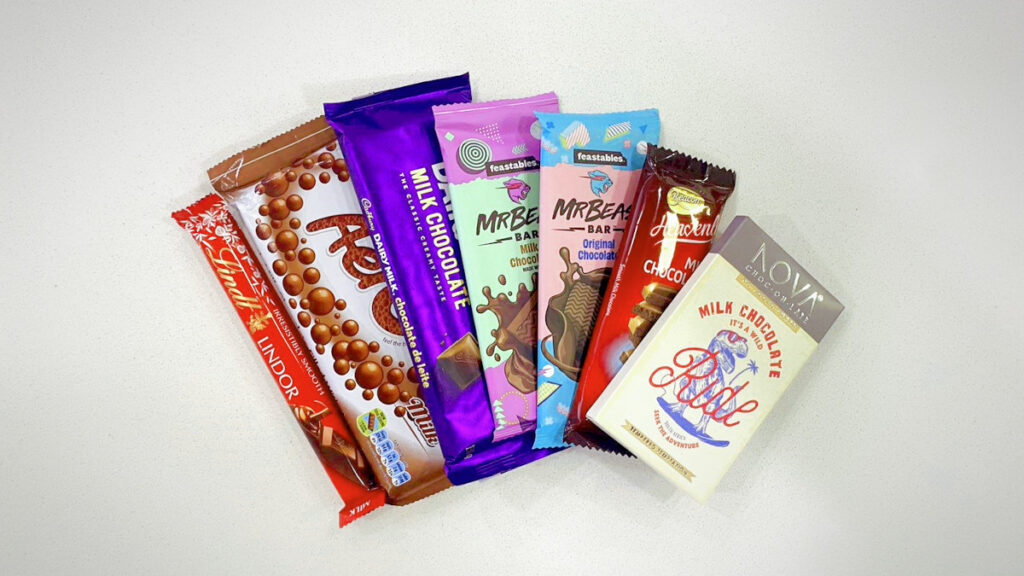
South African chocolate lovers have reason to feel optimistic heading into the festive season, with global cocoa prices finally easing after two years of volatility.
However, while the sudden drop offers some breathing room for manufacturers and consumers, experts warn that the cocoa sector remains fundamentally fragile.
Simon Lacoume, sector chief economist at Coface, said the price correction marks a welcome shift after an intense period of strain.
“After two years of tension, the current correction is bringing cocoa prices back to more rational levels,” he explained.
However, he stressed that the market is far from stable, adding that the sector remains fragile due to structural constraints and a very high geographical concentration of bean production.
Cocoa prices almost touched $12,000 per ton at the end of 2024, but have since dropped to around $5,000 per ton—more than 50% lower in a single year.
According to Lacoume, the sharp decline is a result of significantly improved harvest forecasts in Côte d’Ivoire and the fading of speculative activity that fuelled last year’s surge.
However, prices are still double the long-term average of $2,525 per ton recorded between 2012 and 2022, meaning costs remain elevated by historical standards.
Despite this, for South African chocolate manufacturers and retailers, the correction could not have come at a better time.
Last year’s soaring input costs impacted margins and forced brands to increase retail prices.
The recent decline offers the possibility of more affordable chocolate products over the holidays, though Lacoume cautions that the outlook is still uncertain.
The supply chain “remains exposed to ongoing risks,” he said, pointing to the fragility of the world’s main cocoa-producing regions.
The disruptions that drove the 2024 crisis—including the effects of El Niño and the spread of the swollen shoot virus—may have eased, but the underlying supply deficit has not disappeared.
Demand for chocolate continues to climb

Lacoume noted that plantations remain old, under-investment persists, and production is still tightly clustered geographically.
Côte d’Ivoire and Ghana produce nearly 60% of the world’s cocoa, and that figure climbs to around 70% when including the rest of West Africa.
This intense concentration leaves the entire global chocolate industry vulnerable. The sector remains extremely exposed to any disruption in supply from this region.
At the same time, global demand for chocolate continues to climb. Consumption is expanding rapidly in Asia and within premium product categories.
Ethical, organic and low-sugar chocolates are gaining market share, as is cocoa certified through schemes such as Fairtrade and the Rainforest Alliance.
Producing countries are also trying to retain more value locally. Côte d’Ivoire and Ghana are expanding their domestic grinding capacity in an effort to increase revenue from their cocoa sectors, rather than relying solely on bean exports.
However, much of the power in the value chain still sits further north. Europe remains the world’s dominant cocoa-processing hub, led by Germany and the Netherlands.
Lacoume highlighted that the sector is highly concentrated, with just four companies controlling two-thirds of global grinding capacity, and a similarly tight group dominating retail confectionery.
This entrenched dominance creates a high barrier for new entrants and reinforces global inequalities in how value is distributed.
Although competition is increasing, West Africa remains the global supply powerhouse. However, Latin America, especially Ecuador, is determined to change this dynamic.
Ecuador plans to exceed Ghana by 2027 with an annual production target of 650,000 tons.
New EU traceability rules and farm-gate pricing in Ghana ($3,408/ton) and Côte d’Ivoire ($2,650/ton) are driving the industry towards increased sustainability and transparency.
















 Loading ...