

Woolworths warns of concerning trend in South Africa


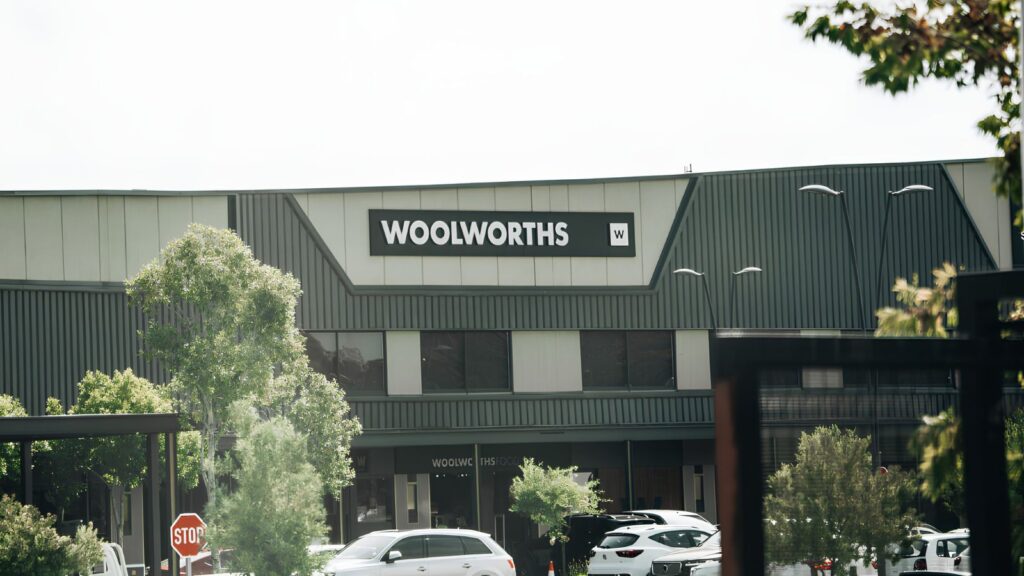
Retail giant Woolworths has warned that South African consumers are shifting away from luxury purchases as the high cost of living forces them to prioritise essential goods.
The company noted that rising inflation and increased fuel prices are placing pressure on many South African households.
The South African Reserve Bank (SARB) also raised interest rates in May by 25 basis points, slowing consumer spending to bring inflation under control.
Despite the interest rate hike, inflation reached 5% in June, higher than South Africa’s current inflation target of 3%.
Woolworths said these factors have created a “challenging operating environment” as consumers are less willing to spend on luxury items.
This presents a challenge for Woolworths, with many of its operations, such as Country Road, being in the luxury goods market.
It said the current cost of living has dampened consumer confidence and demand, whilst increasing the company’s operating costs.
It noted that consumers are focusing on “promotional offerings and essential purchases” in response to high inflation.
In a trading update for the 52 weeks ending 28 June 2026, Woolworths saw group turnover and concession sales increase by 4.3%.
However, the group admitted that growth in the second half of the financial year dropped to 3.3%, reflecting a challenging final quarter.
The company also noted concerns in its financial services sector, whose book grew by approximately 5.6% year-on-year to the end of June 2026.
It said its impairment coverage for the financial year increased from 6.1% to 7%, as consumers increasingly struggle to pay their debts.
Impairment coverage would protect the company against losses from written-off debts, which may increase due to the higher cost of living in South Africa.
Woolworths said this higher impairment coverage was due to “the deteriorating macroeconomic environment”, referencing the conflict in Iran.
The Iran war has been a driving force for South Africa’s inflation rates, causing increased fuel costs, which have a knock-on effect on most of the country’s industries.
Bright spots for Woolworths
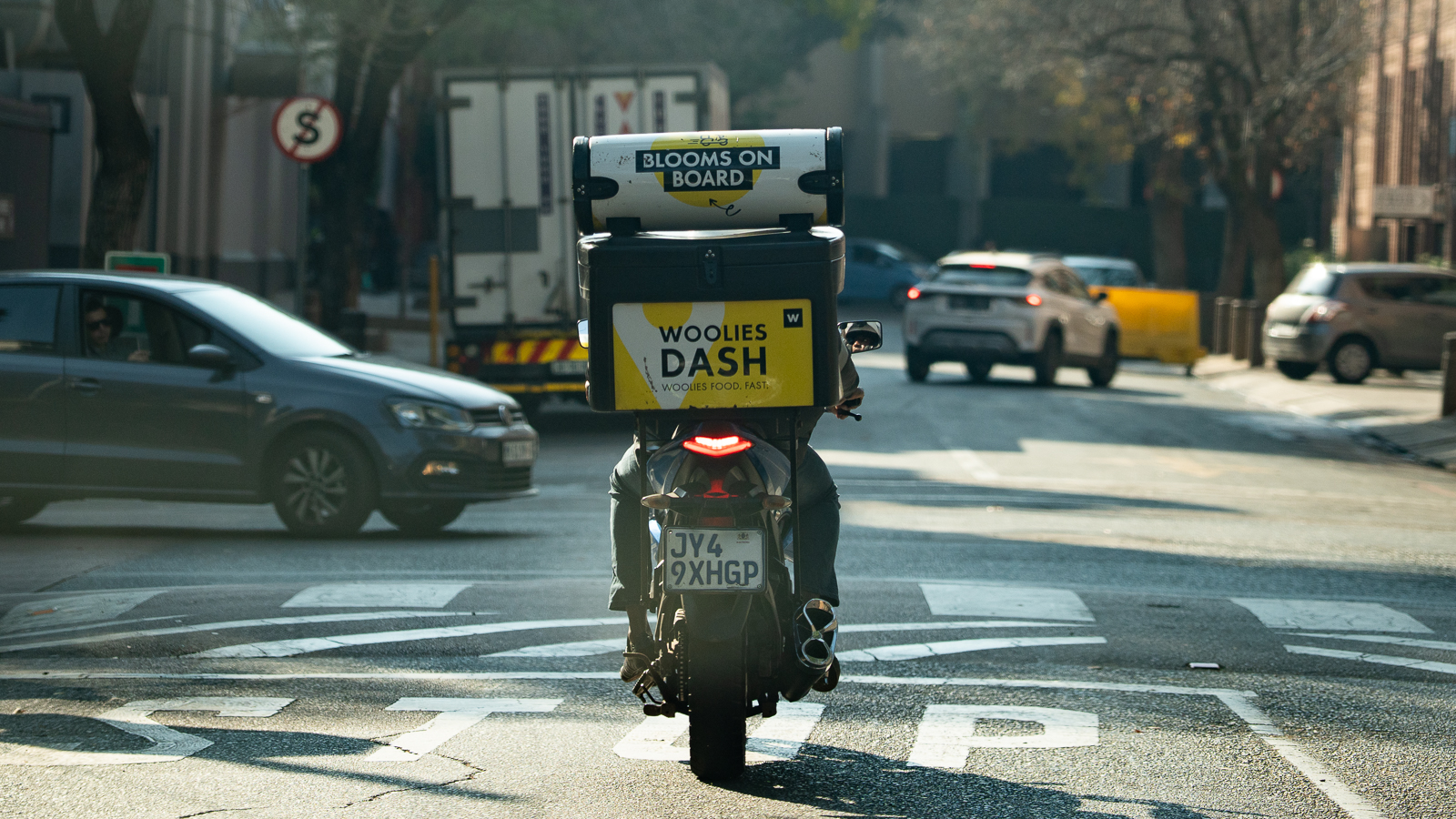
Despite the difficult environment, Woolworths saw impressive growth in some of its sectors, including its on-demand service, Woolies Dash.
The on-demand service is Woolworths’ online grocery delivery outlet, which increased its revenue by 19.6% year-on-year.
The online trading channel contributed approximately 7.3% to South African food sales, as grocery delivery continues to grow in South Africa.
Grocery delivery services became a major industry during the COVID-19 pandemic, when many retailers were forced to adjust their business models.
Woolworths also saw above-market turnover in its food business, which it attributed to its focus on improving in-store customer experiences.
It said that while the first six months of 2026 had been challenging for the company’s grocery stores, strong performance at the end of 2025 had softened its impact.
The company noted that, despite increased operating costs, it had maintained a similar profit margin to the previous year, driven by higher operational efficiencies.
Fashion, beauty, and home (FBH) turnover and concession sales increased by 4.4% over the financial year.
However, the war in Iran impacted demand in the second half of the financial year, with sales rising only 2.6%.
It said a clearance sale of excess inventory and its investment in kidswear had both placed pressure on profit margins in the sector.
Woolworths saw growth in its home business sector, which had sales increasing by approximately 11% due to expanded offerings.
The company has struggled with its international investments, particularly Country Road in Australia, which has seen muted performance in the past year.
Woolworths said this was due to a difficult operating environment in Australia, where consumer sentiment and spending have been under pressure.
This resulted in 1% growth in Country Road sales, which fell to 0.5% in the first half of 2026, as Woolworths focused on full-price sales and fewer promotions for these products.
The group also provided a trading statement, showing that earnings per share for the period are expected to range from a 10% decrease to being flat.
Headline earnings per share are, however, expected to increase by between 2.5% and 7.5% over the period.
The group said that the profit on the sale of the David Jones’ flagship Bourke Street property in Melbourne, which was partly offset by impairments in both periods, impacted earnings per share.
The impairments and profit on sale are adjusted for in calculating headline EPS and adjusted diluted HEPS.
| Metric | 52 weeks to 29 June 2025 (reported) (cents) | 52 weeks to 28 June 2026 expected range (%) | 52 weeks to 28 June 2026 expected range (cents) |
|---|---|---|---|
| EPS | 273.4 | -10.0% to 0% | 246.1 to 273.4 |
| HEPS | 268.1 | 2.5% to 7.5% | 274.8 to 288.2 |
| adHEPS | 303.4 | 1.0% to 6.0% | 306.4 to 321.6 |
















 Loading ...