

Pain for iconic 138-year-old South African company


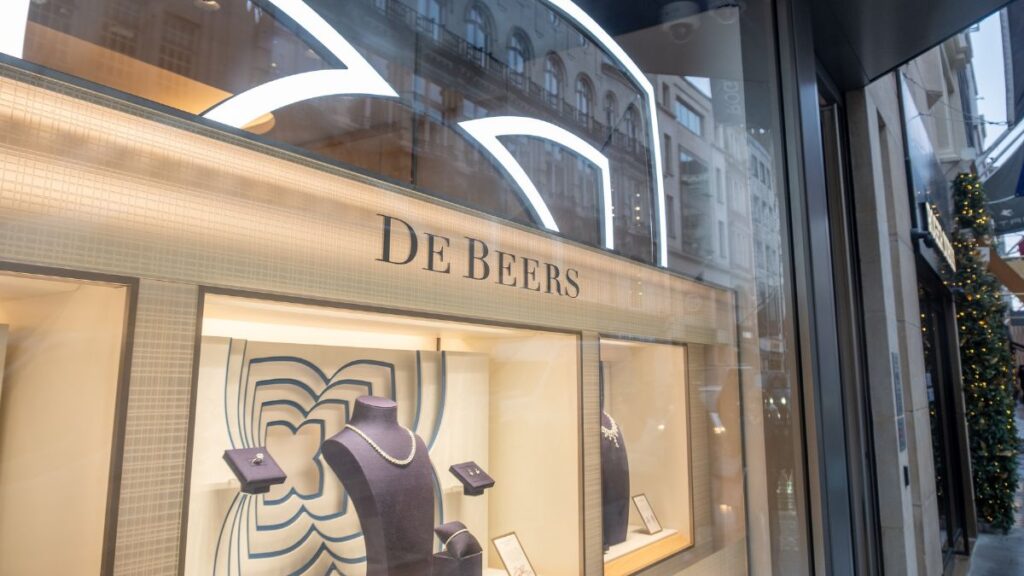
De Beers has seen its earnings from diamonds in South Africa drop by roughly R83 million, despite increasing production in the country.
The company was founded in 1888, beginning operations in Kimberley and the Vaal as diamonds were being discovered in South Africa.
Under De Beers, the Kimberley diamond mine became the richest mine in the world, holding the title for nearly a century.
The company has since expanded across the globe, but has kept many of its mining operations in South Africa.
Recently, the company has come under pressure as global diamond prices drop due to decreased demand for the luxury item.
In 2025, the company’s Earnings Before Interest, Taxes, Deductions, and Amortisations (EBITDA) was nearly R800 million in the negative.
These losses rose by approximately R83 million in 2026, despite the company increasing production from its South African mines.
De Beers produced roughly 1 million carats of raw diamonds in South Africa in 2025, and increased this to nearly 1.5 million carats in 2026.
Despite this massive increase in production, the value of diamonds dropped from approximately R1,250 per carat to R1,083 over the course of a year.
The company is also facing a backlog of raw diamonds awaiting processing due to a lack of demand in global markets.
The lack of demand comes as the cost of living continues to rise in many countries, reducing spending on luxury items.
Pressure is also being placed on De Beers by synthetic diamonds, which are lab grown and atomically identical to their mined counterparts.
These synthetic alternatives are sold at a fraction of the price of mined diamonds, further reducing the demand for them.
Anglo American, the parent company of De Beers, said there is a particular lack of demand for smaller and lower-quality diamonds, while demand for high-quality diamonds has been resilient.
“While demand for larger, higher-quality natural diamonds remained resilient, smaller and lower-quality diamonds continued to face pricing pressure from the impact of synthetic lab-grown diamonds,” it said.
The impact on South Africa
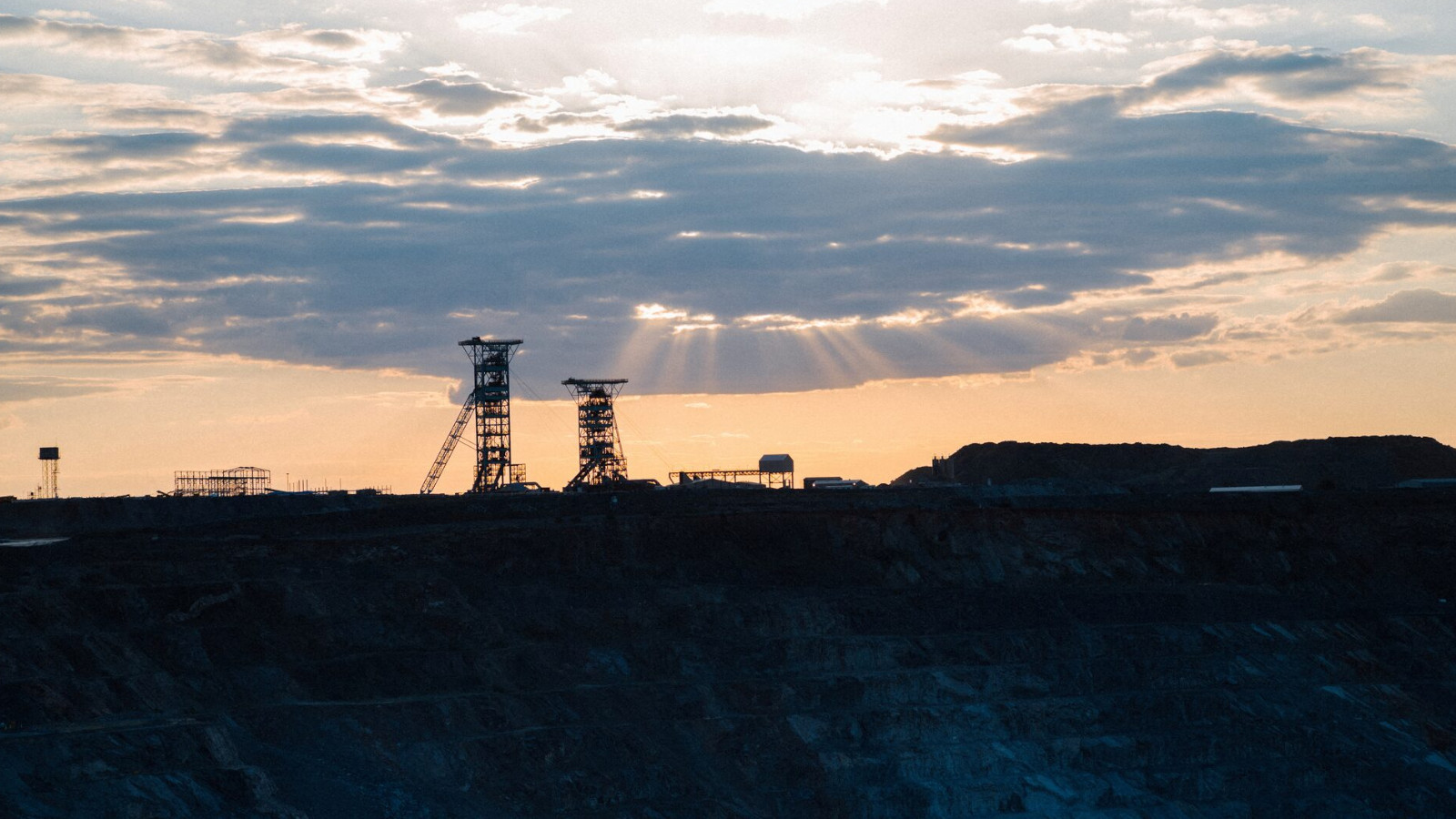
As global demand for diamonds falls, De Beers has been forced to alter its mining operations in South Africa.
This includes a temporary production pause at the Venetia mine in Limpopo, one of South Africa’s largest diamond mines.
The Venetia mine accounts for approximately 40% of all raw diamonds produced in the country, and employs roughly 4,400 workers and contractors.
De Beers decided to pause production at the mine for two years, while it works through its current backlog of raw diamonds.
The backlog has emerged as the diamond industry tries to prevent an oversupply of diamonds entering the market, which would reduce the luxury item’s scarcity.
The value of diamonds is closely linked to the scarcity of the resource, meaning companies such as De Beers are working to ensure there is no oversupply.
This is alarming for Limpopo’s mining industry, as the livelihoods of Venetia mine workers and contractors have come under pressure.
A two-year pause could be dire for many households that rely on the mine for employment, as well as the surrounding communities that rely on this income to drive their economies.
De Beers said it is currently working to increase its revenue by revitalising consumer demand for natural diamonds through targeted advertising.
It said the high-end demand for larger diamonds will largely offset the lack of sales of its lower-value products globally.
It said synthetic alternatives could continue to pose a problem for the natural diamond industry, as the price of these alternatives continues to fall.
“Retail prices for synthetic lab-grown diamonds continue to fall, and competition is expected to put further pressure on margins over time,” it said.
The group said it expects the rough diamond industry to remain challenging, particularly in low-value categories.

















 Loading ...