

Eskom severe storm warning for South Africa, and major banks shutting branches and ATMs


The South African rand is holding steady in thin year-end trade, holding the year’s gains against a weaker dollar.
On Tuesday, the rand traded at R16.67 against the dollar, a whisker away from its closing level on Monday, while the greenback hovered around its lowest levels in three months.
On Wednesday, 31 December, the unit strengthened to approximately R16.60 per $, entering the new year on a firm footing.
South Africa’s risk-sensitive currency is on track to gain about 12% against the dollar this year.
That is the biggest jump since 2009, bolstered by the nation’s improved fiscal performance and success in containing inflation, as well as soaring prices of precious metals such as gold and platinum, which are major exports.
The US dollar has slumped 9% this year against a basket of currencies, putting it on pace for its worst showing in eight years on expectations of Federal Reserve rate cuts, shrinking interest rate differentials with other major currencies, and concerns about the US fiscal deficit and political uncertainty.
South Africa’s National Treasury is scheduled to publish November budget balance data, which should provide insight into the health of Africa’s most industrialised economy.
Analysts and economists expect the rand to perform well in 2026.
Slower inflation and faster growth, and expectations that the US Federal Reserve will lower borrowing costs further, are likely to boost the currency next year.
Investors will also monitor progress in fixing state-run power utility Eskom, which has managed to keep the lights on for most of 2025 after years of rotational blackouts, as well as improvements at the rail and port operator Transnet.
President Cyril Ramaphosa has managed to keep his coalition government together and introduced policy measures that are expected to help the economy expand.
On Wednesday, the rand was trading at R16.60 to the dollar, R22.35 to the pound and R19.49 to the euro.
Oil is trading flat at around $61.62 a barrel, while gold is trading at $4,346.70 an ounce.
5 important things happening in South Africa today
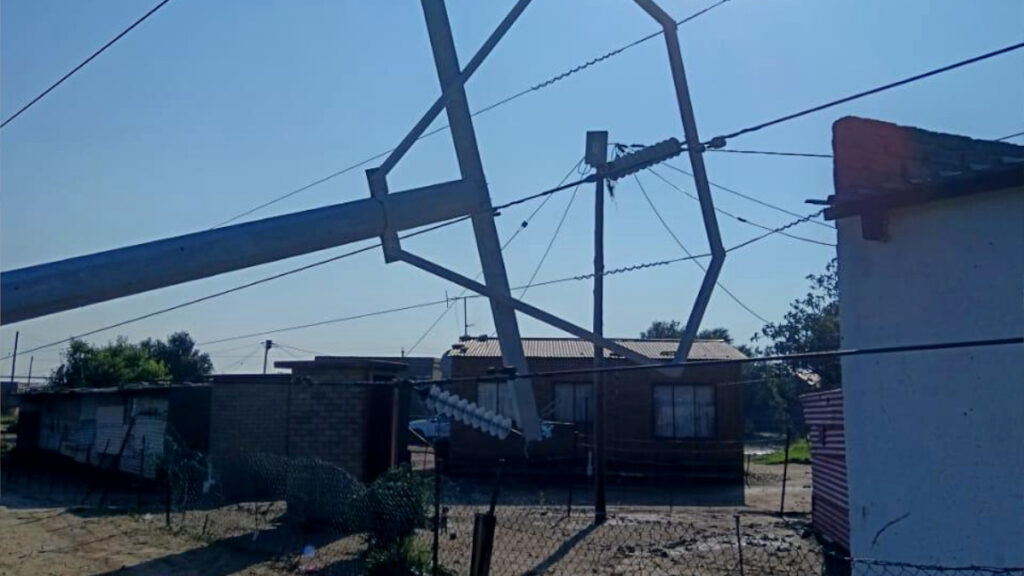
Eskom storm warning: The power utility Eskom has recorded a 40% increase in outages over the festive season, primarily driven by severe weather conditions. The group has warned that the adverse weather is expected to continue into 2026, with heavy rainfall expected through March. Thousands of customers had been left without power over the past few weeks as Eskom worked to restore services following the storms. Despite the sharp spike in weather-related service interruptions, the group has not experienced significant outages at its power stations in the affected provinces, nor has it had any issues with wet coal. [News24]
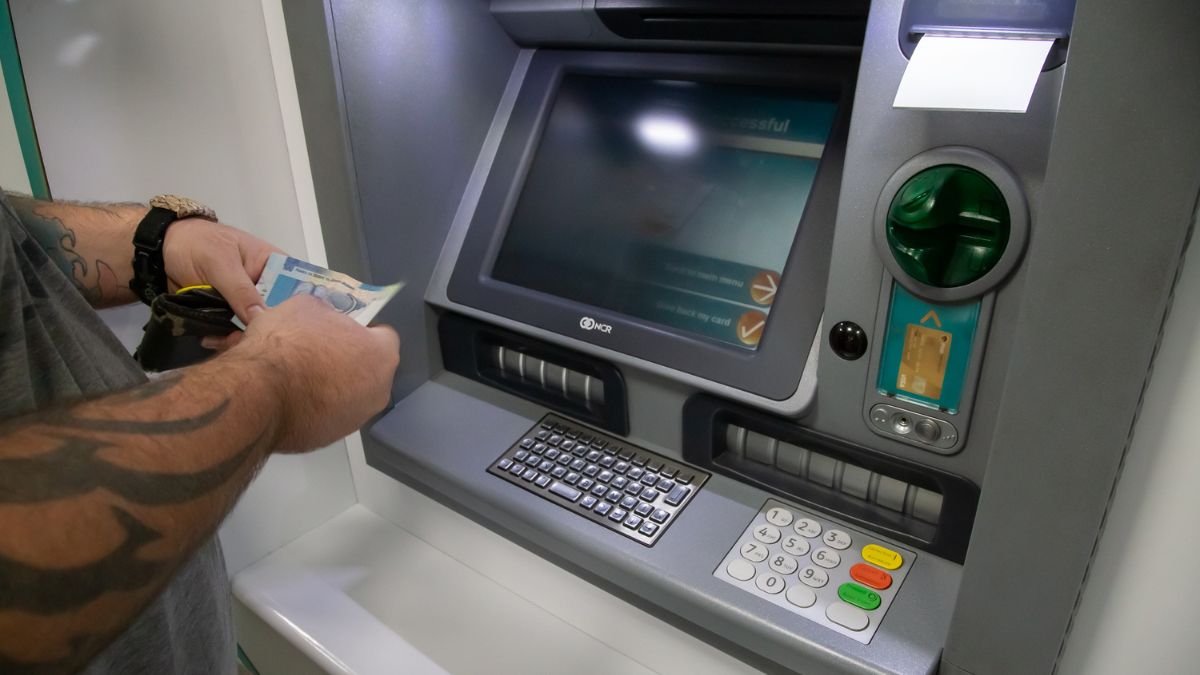
Banks shutting branches and ATMs: Capitec is the only major traditional bank in South Africa still expanding its ATM and branch network nationwide. First National Bank (FNB) has expanded its branch footprint but has shut down 851 ATMs, or approximately 15% of its network, over the past five years. Meanwhile, Absa, Nedbank, and Standard Bank have all reduced their physical footprint in South Africa since 2020. Several factors contributed to this decline, including a decrease in cash usage as more people adopted digital payment methods and online banking. Card payment devices have become more affordable, and cellular connectivity has improved in rural areas, enabling these devices to operate in most populated parts of the country. [MyBroadband]
Mandela’s economic legacy destroyed: Nelson Mandela and his successor, Thabo Mbeki, reduced South Africa’s inherited debt and avoided a World Bank or IMF bailout. However, this work has been squandered. When Mandela became South Africa’s first democratic president, he was concerned about the country’s massive debt and low growth. He avoided turning to bailouts and instead focused on fiscal discipline. However, under the Jacob Zuma and Cyril Ramaphosa administrations, debt ballooned. Exorbitant government spending and a stagnant economy resulted in the state’s debt burden surging from 26% of GDP in 2008 to over 77% in 2025. [Newsday]
Tax incentives on the chopping block: The Employment Tax Incentive (ETI) is under tight scrutiny. The incentive, which is a form of wage subsidy to encourage employers to hire youth, costs the state billions of rands each year to implement. However, the programme is not yielding the hoped-for results, with youth unemployment still a massive burden on the country. Finance Minister Enoch Godongwana has confirmed that the incentive currently has a sunset date for 2029; however, there are growing calls for the programme to be reviewed sooner and for resources to be reallocated to more impactful schemes. [Business Day]
Major Transnet turnaround, with concerns: Transnet appears to be turning the corner, with two of its ports among the most improved in the world in 2025 and rail volumes steadily improving. Crucially, the utility has also begun the process of enabling private companies to use its infrastructure to enhance efficiency and increase investment in new equipment and machinery. Due to Transnet’s substantial debt burden, the company cannot undertake these investments without private sector participation. However, despite this need, the utility wants to retain its control over policy, legislation, and regulation in the sector. Thus, while private companies will be able to invest and compete with Transnet, this will be done under the control of the utility, rather than in a free market. [Daily Investor]

















 Loading ...