

Bridges crumbling in plain sight in South Africa’s richest city


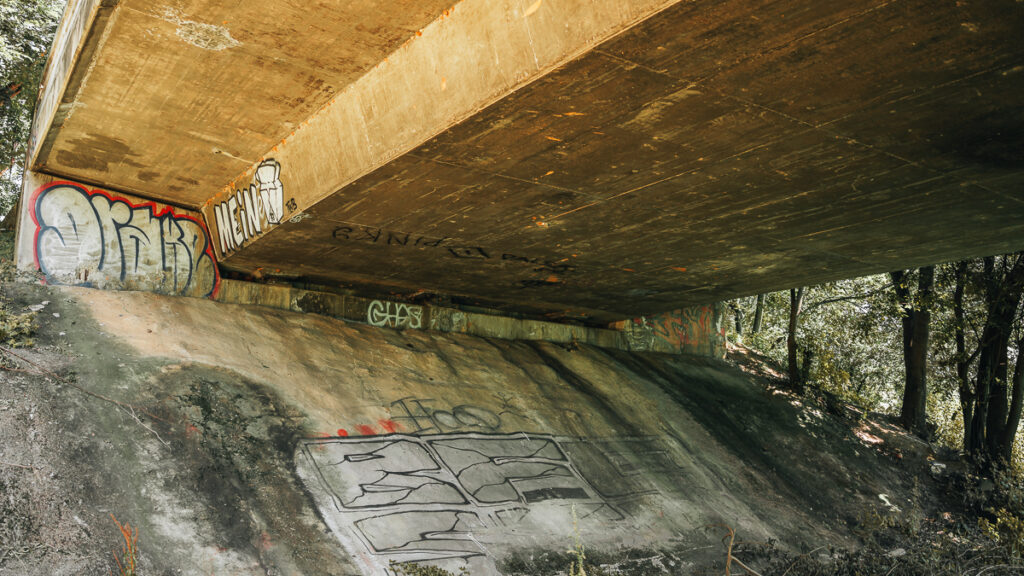
Johannesburg, which is promoted as a world-class African city, is suffering a tremendous infrastructure collapse which including its hundreds of bridges.
A recent report said only 6% of the city’s 902 bridges are in good condition, and the cost to bring the rest up to an acceptable standard is estimated at R37 billion.
The Johannesburg Roads Agency (JRA) revealed that 702 of Johannesburg’s bridges, or 78%, are in poor or very poor condition. 20 are on the brink of closure.
What is particularly concerning is that the situation may be much worse, as these numbers are based on outdated data.
The deteriorating state of Johannesburg’s bridges mirrors the decline of other critical infrastructure across the city.
According to a Sunday Times report, the Johannesburg Road Agency, which must maintain the city’s roads and bridges, has a R276 billion backlog.
The report showed a R37 billion backlog for bridge maintenance, R90 billion for roads, and R4 billion for sidewalks.
Former Johannesburg Mayor, Geoff Makhubo, highlighted that most bridges in the city are older than 50 years and require urgent repairs and rejuvenation.
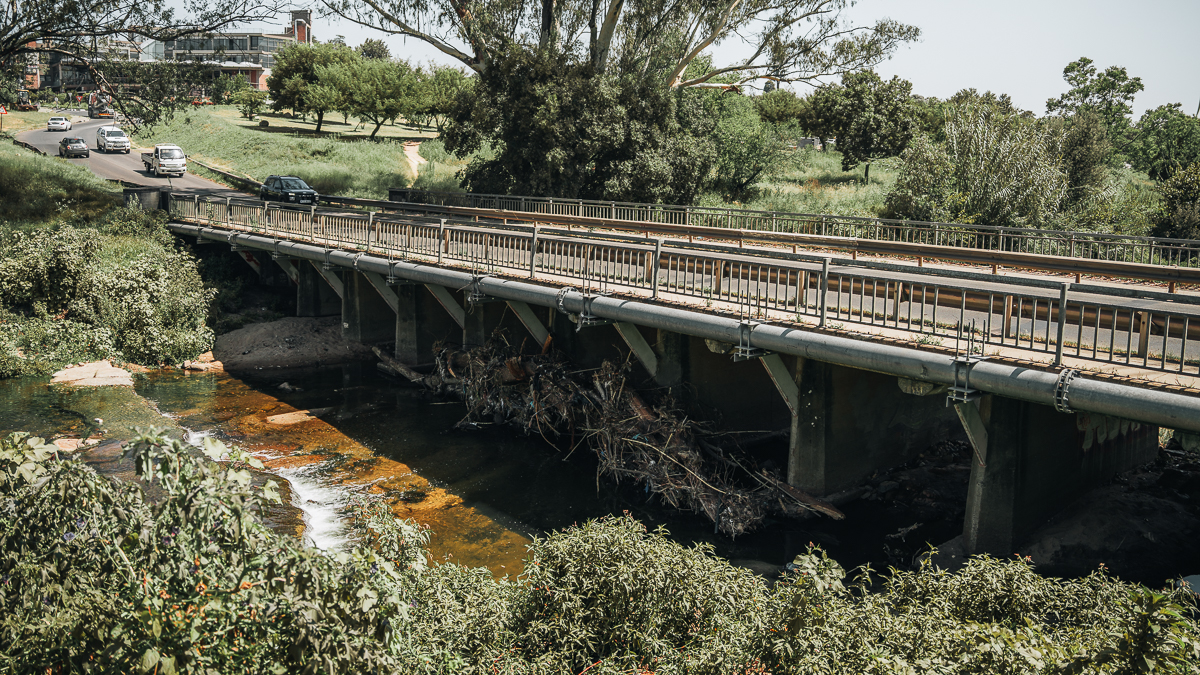
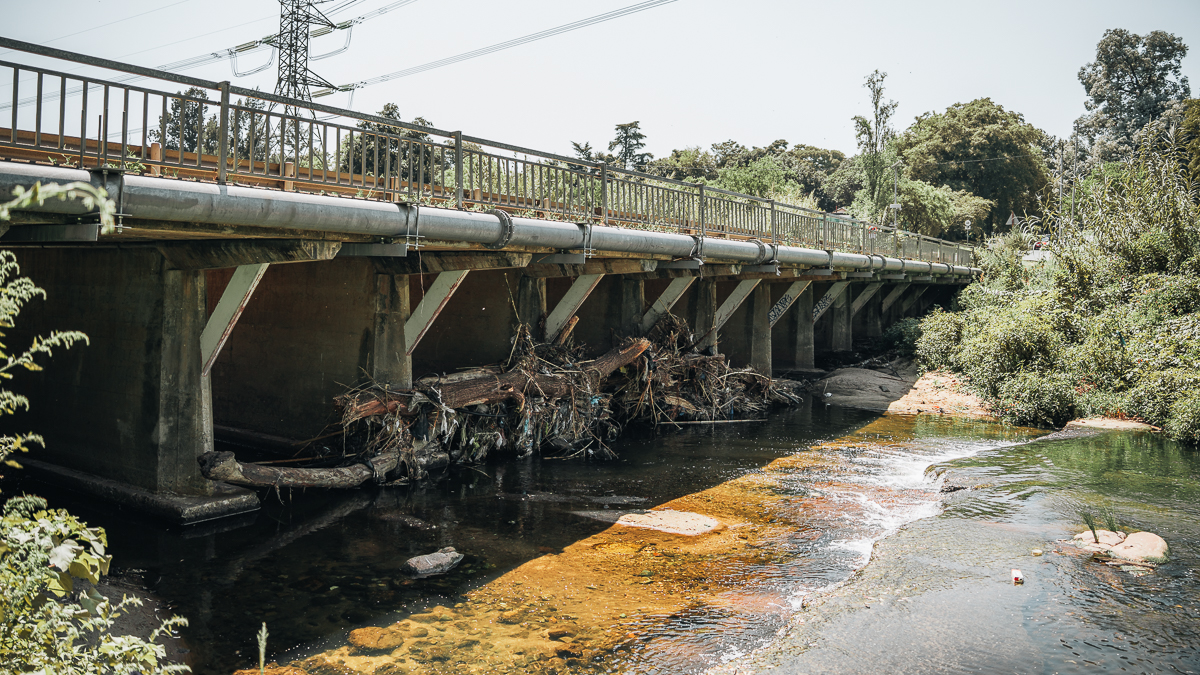
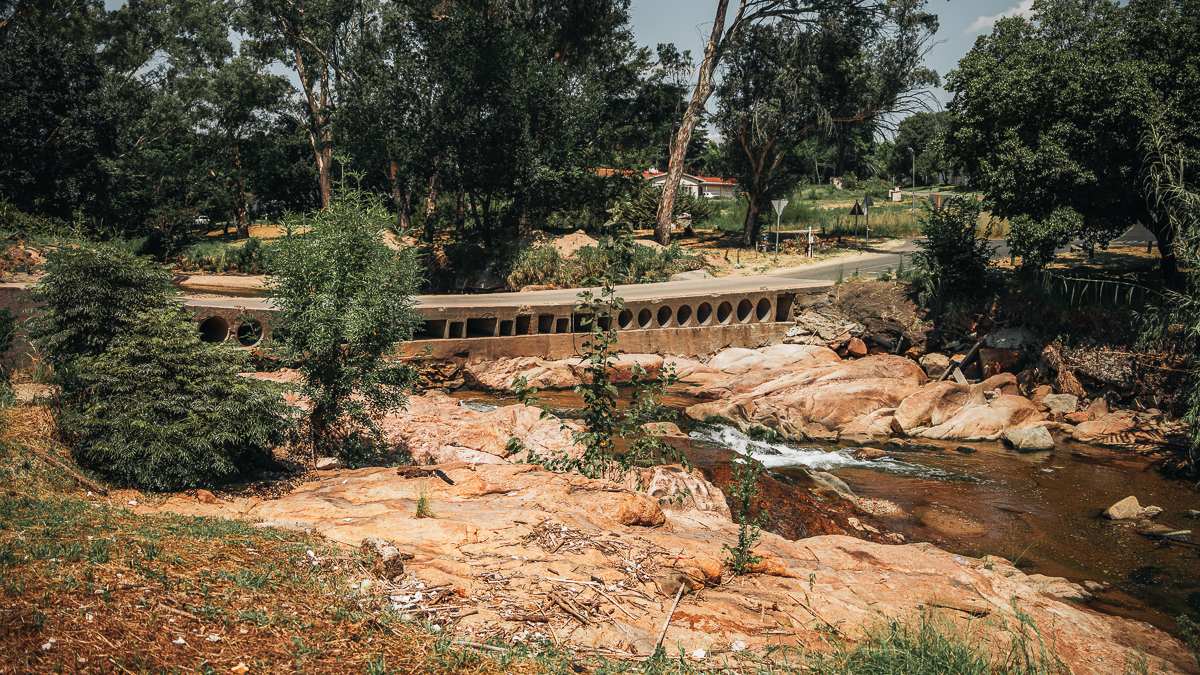
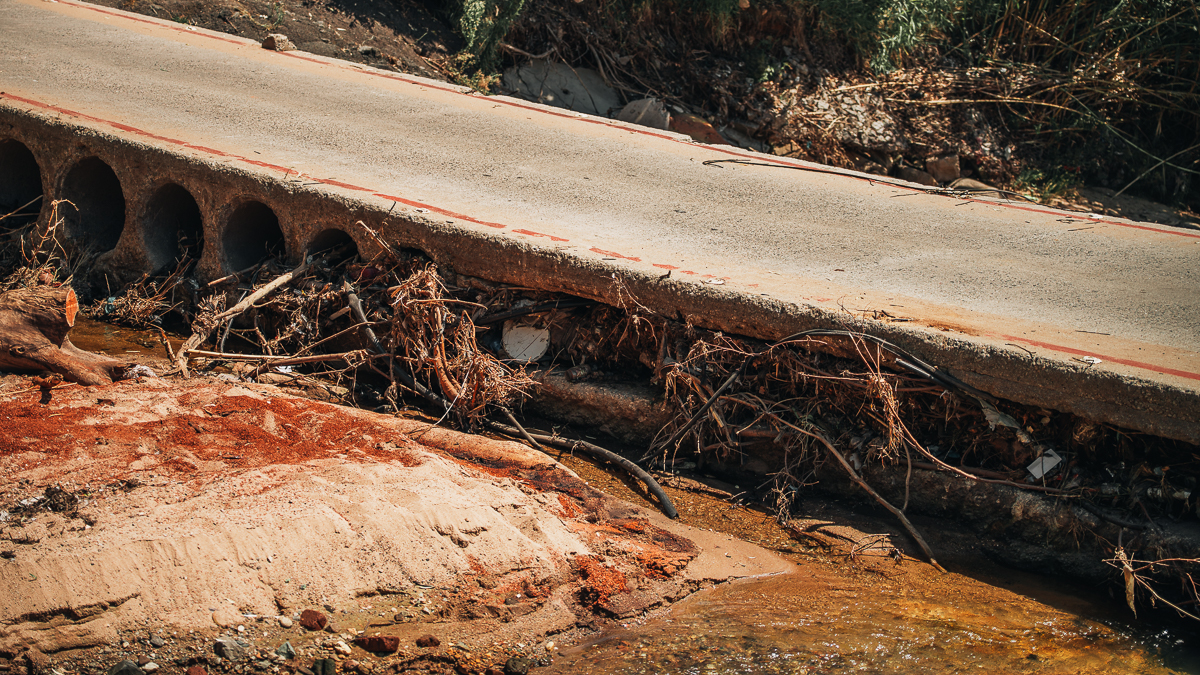
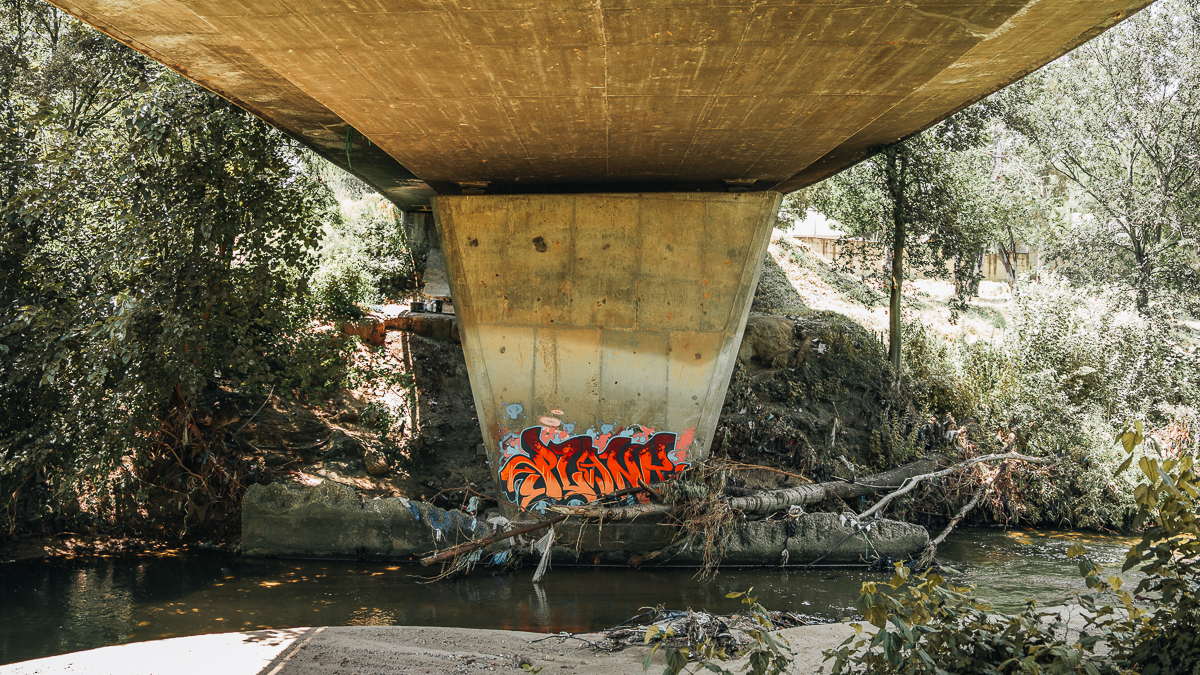
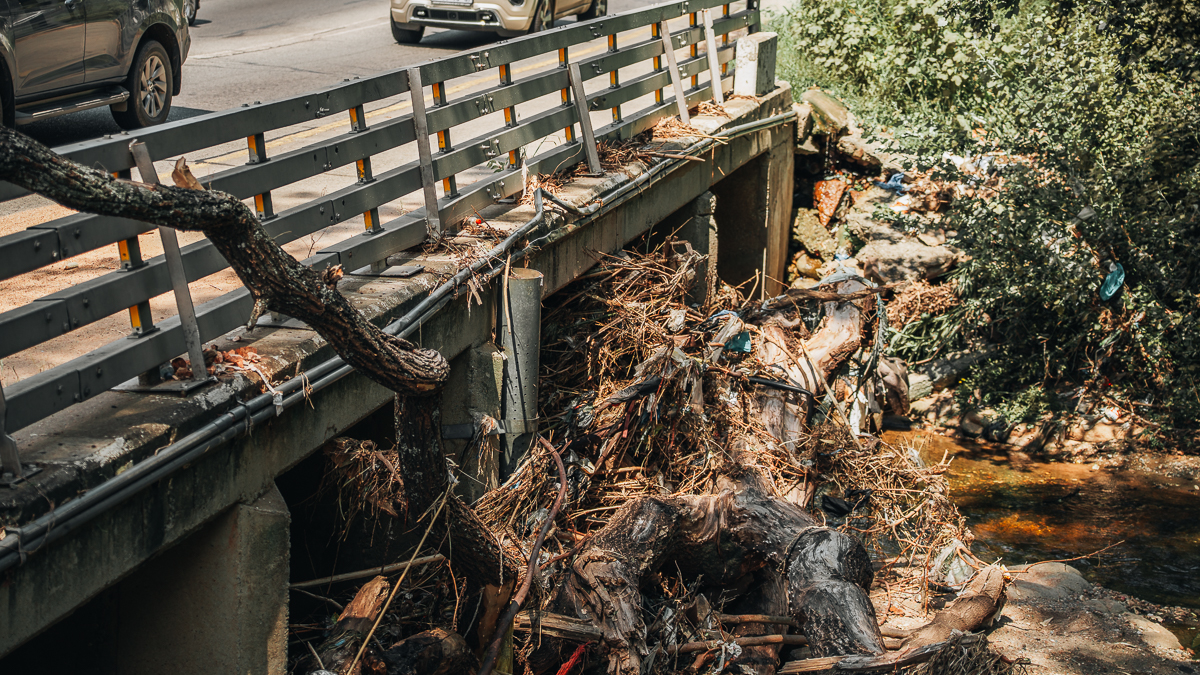
This includes the removal of sediment from around bridge abutments caused by swiftly moving water, which compromises the integrity of a structure.
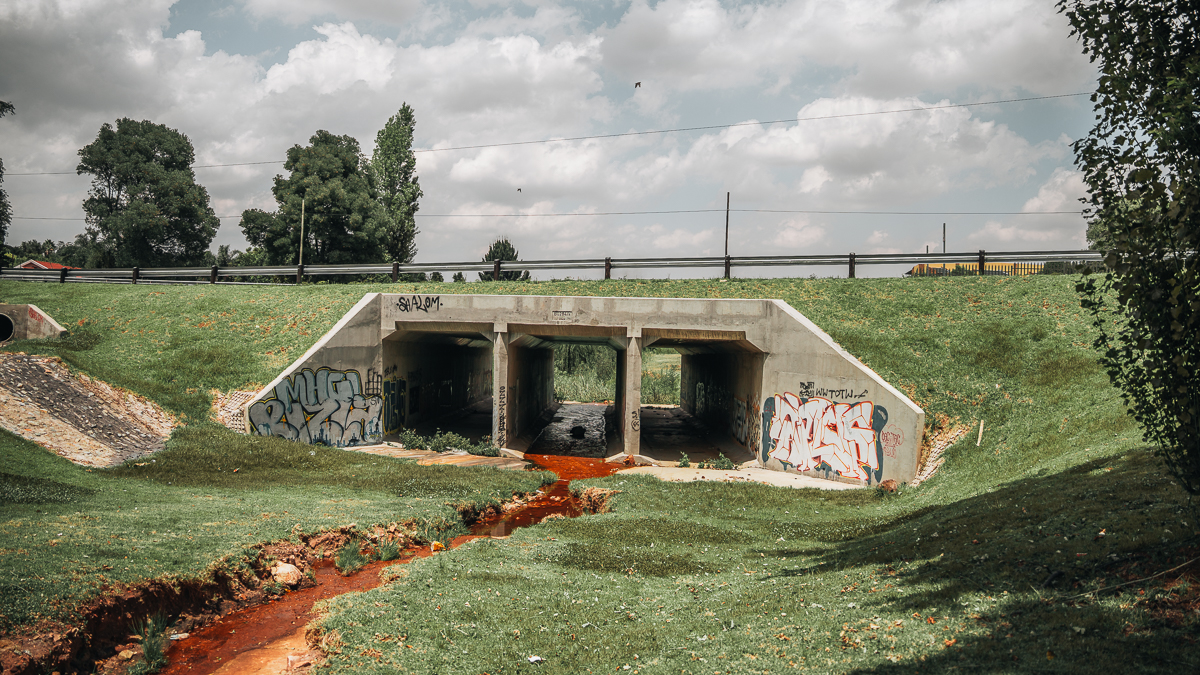
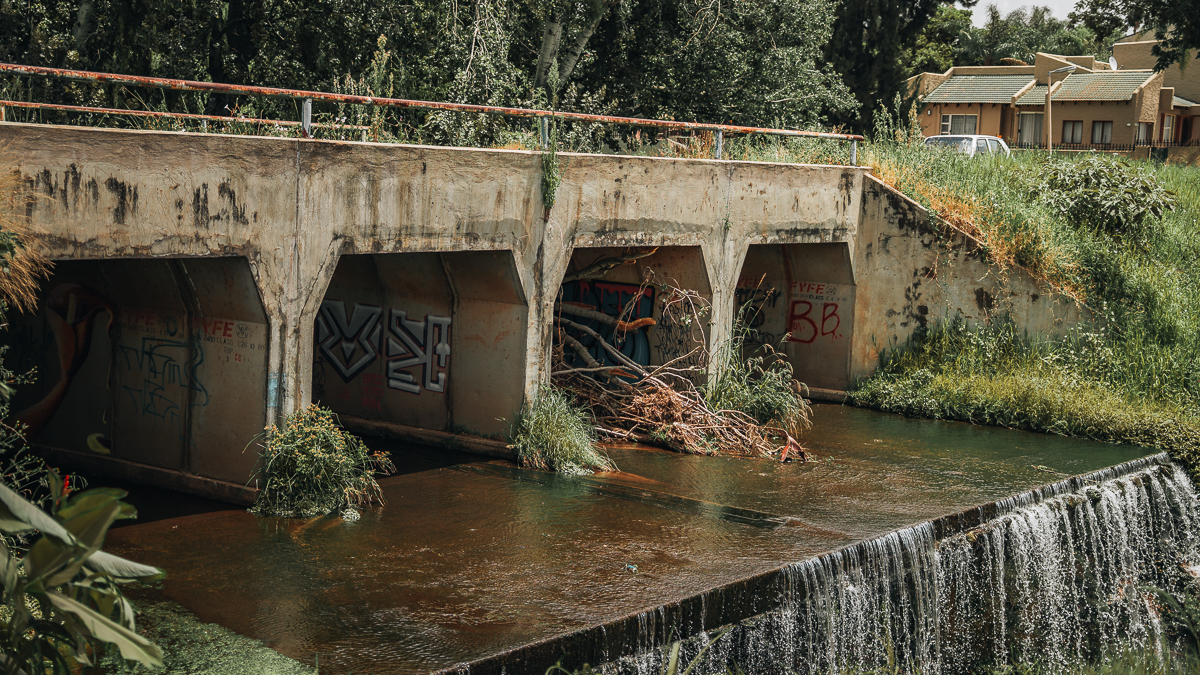
The JRA added that it was concerned about vandalism on some bridges, where components are removed, damaged, or tampered with.
Another problem was that heavy trucks are placing unprecedented stress on structures never designed for such loads.
This situation was due to the near collapse of South Africa’s rail freight system, forcing companies to use land freight.
These trucks transport heavy cargo, including iron ore and coal, which were traditionally transported by train.
Infrastructure collapse in Johannesburg
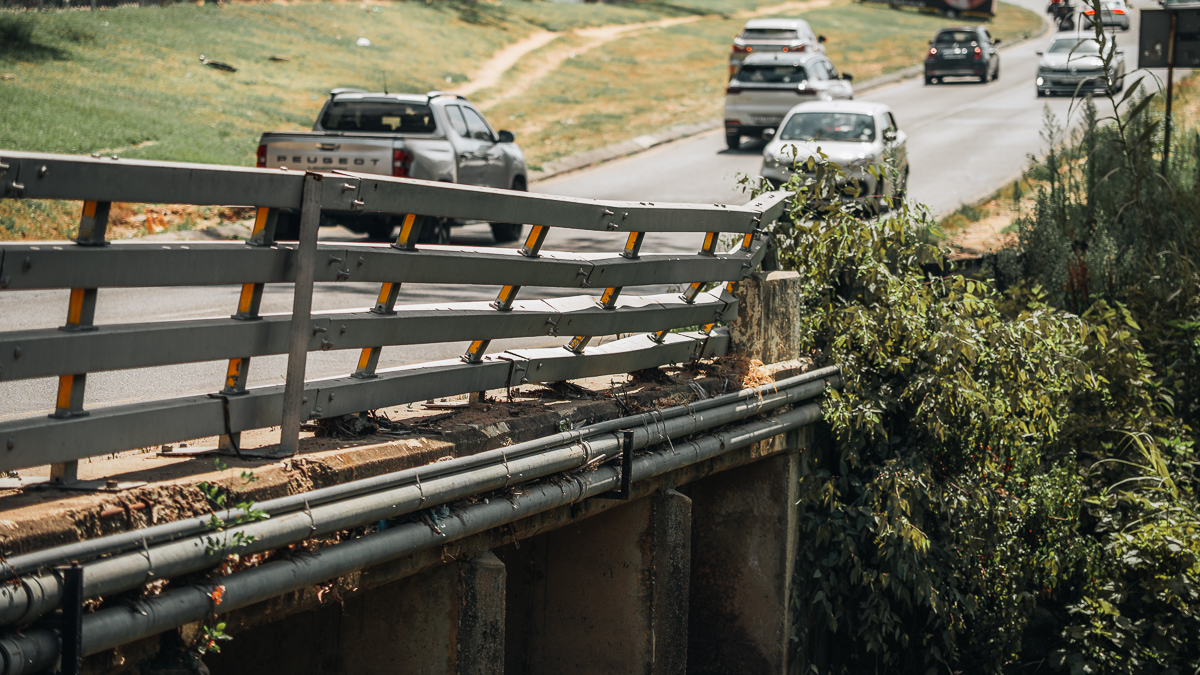
Numerous experts have raised concerns that Johannesburg’s infrastructure has shifted from a maintenance backlog to full-scale system failure.
William Gumede, Associate Professor at Wits University, warned that Johannesburg is accelerating toward becoming a failed city.
He argued that the decay has become so advanced that it might eventually be cheaper and easier to start from scratch, building another city, than to rescue the current one.
He attributed this to systemic corruption, patronage-based appointments, and the informalisation of the economy.
Professor Mark Swilling from Stellenbosch University said that even if the city finds the R200 billion needed for repairs, it will not prevent collapse.
The reason, he argued, is that the underlying issues of mismanagement and cadre deployment should be addressed first to prevent wasting the money.
Civil society and oversight groups have raised similar concerns about the collapse of Johannesburg’s infrastructure and institutions.
Two of these voices were Julius Kleynhans, an executive at OUTA, and the Joburg Community Action Network (JoburgCAN).
They have described the state of the City of Johannesburg as a systemic failure, not just a service glitch.
Kleynhans has criticised the absence of detailed plans, timelines, and accountability, noting that residents are tired of watching their city deteriorate.
“We’ve heard all the promises before. Meanwhile, the lived reality for residents and businesses in the city continues to deteriorate,” he said.
Sekadi Phayane-Shakhane, the CEO of the South African Institution of Civil Engineering, flagged major infrastructure degradation in the city.
She highlighted that the City of Johannesburg is flying blind regarding the safety of its bridges due to the lack of updated Visual Condition Assessments.
BusinessTech visited Johannesburg’s bridges
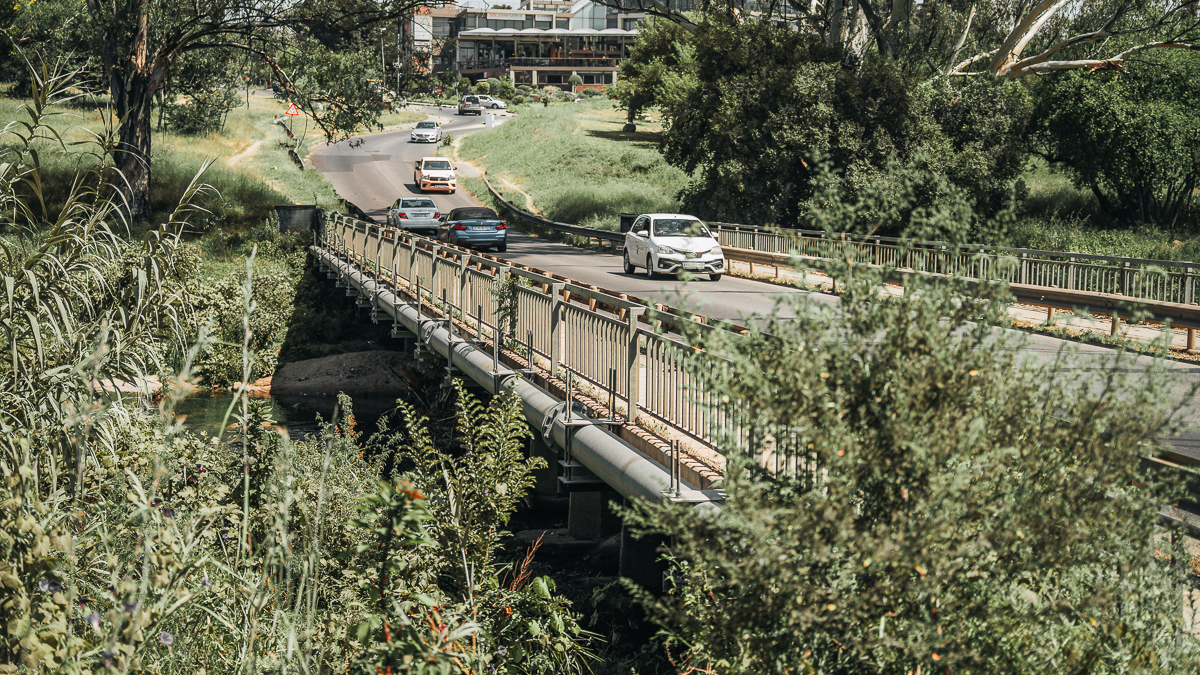
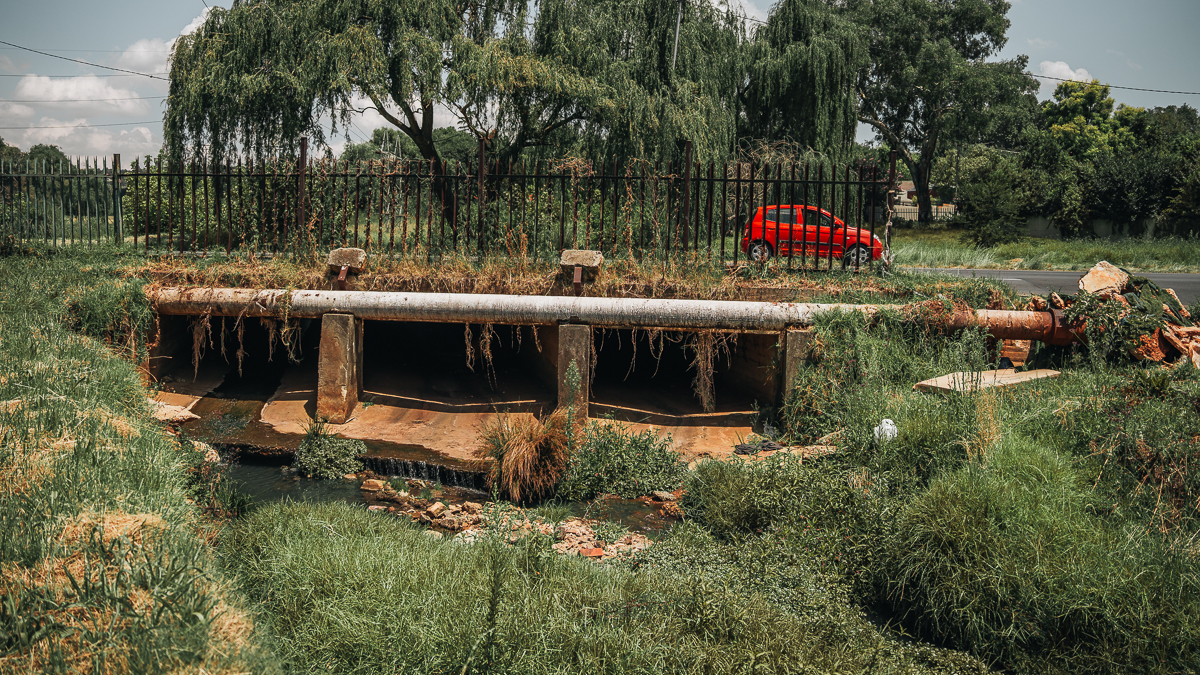
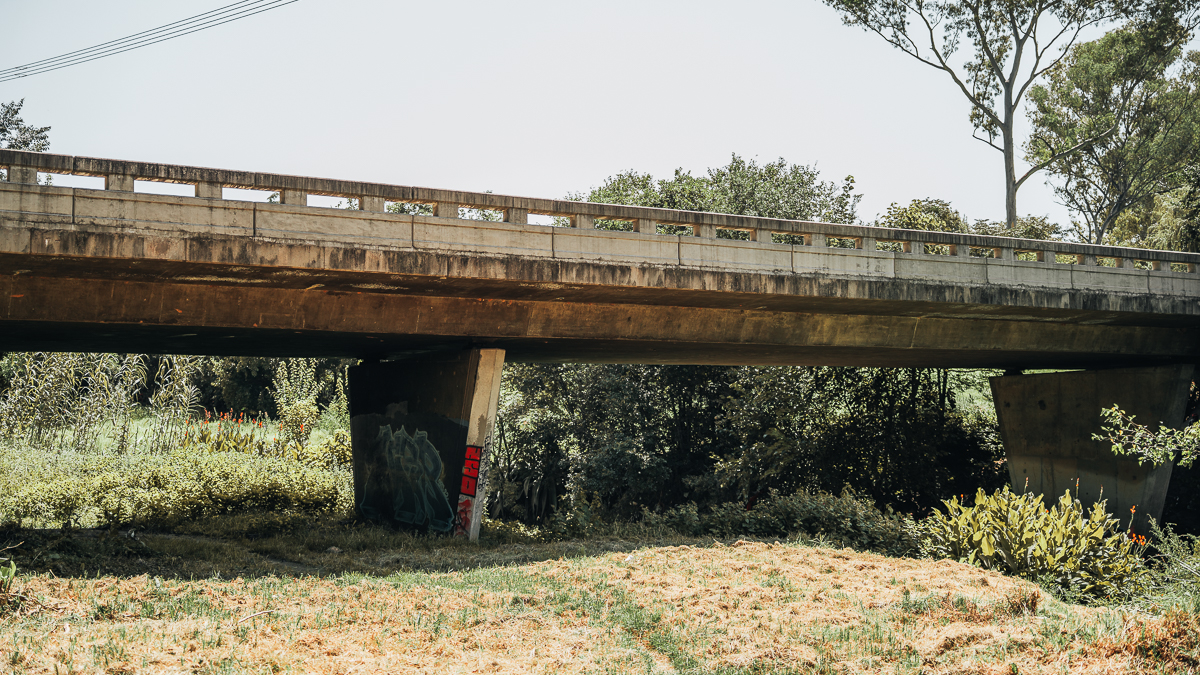
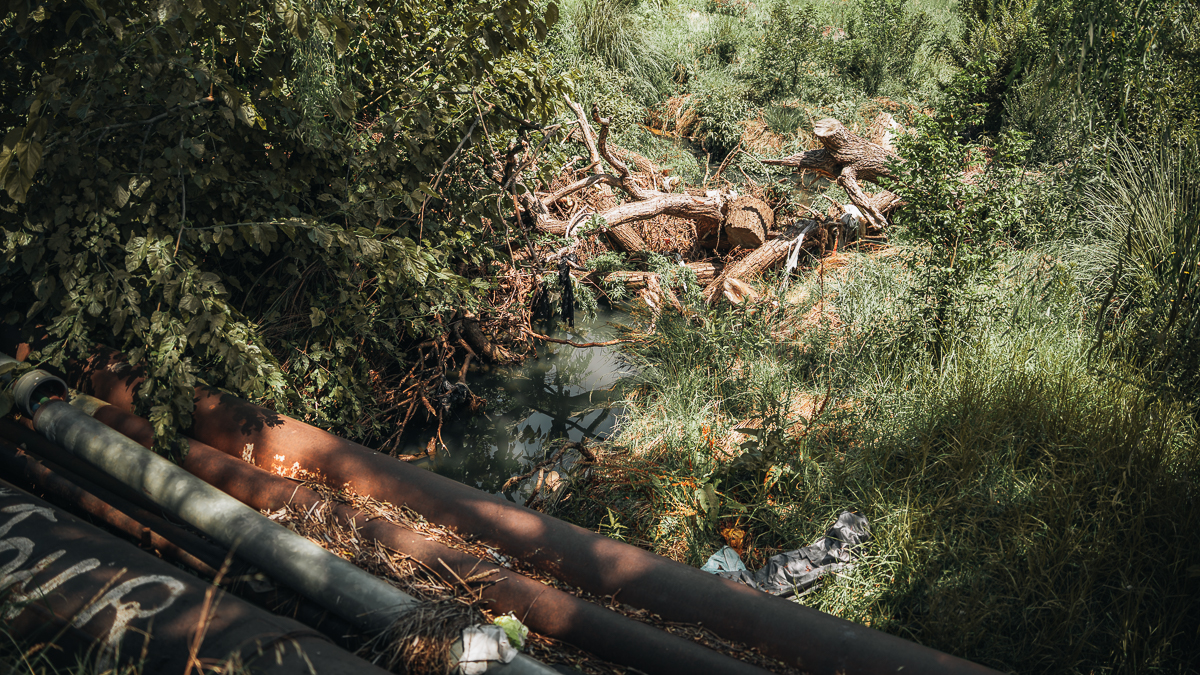
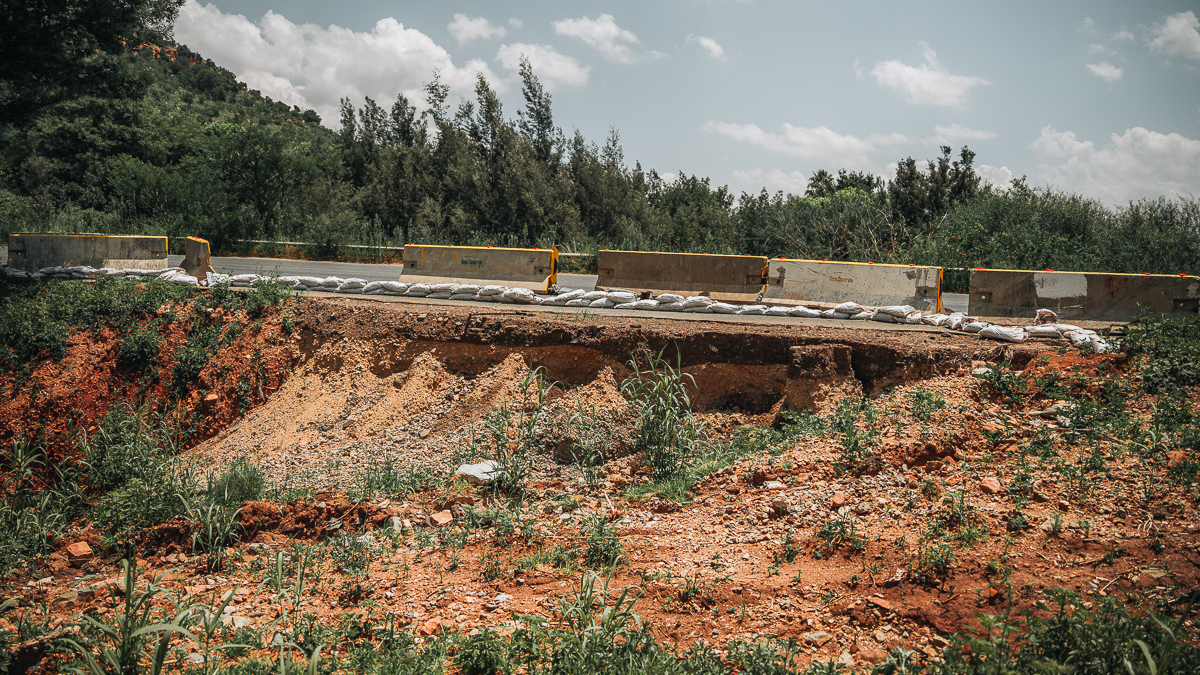
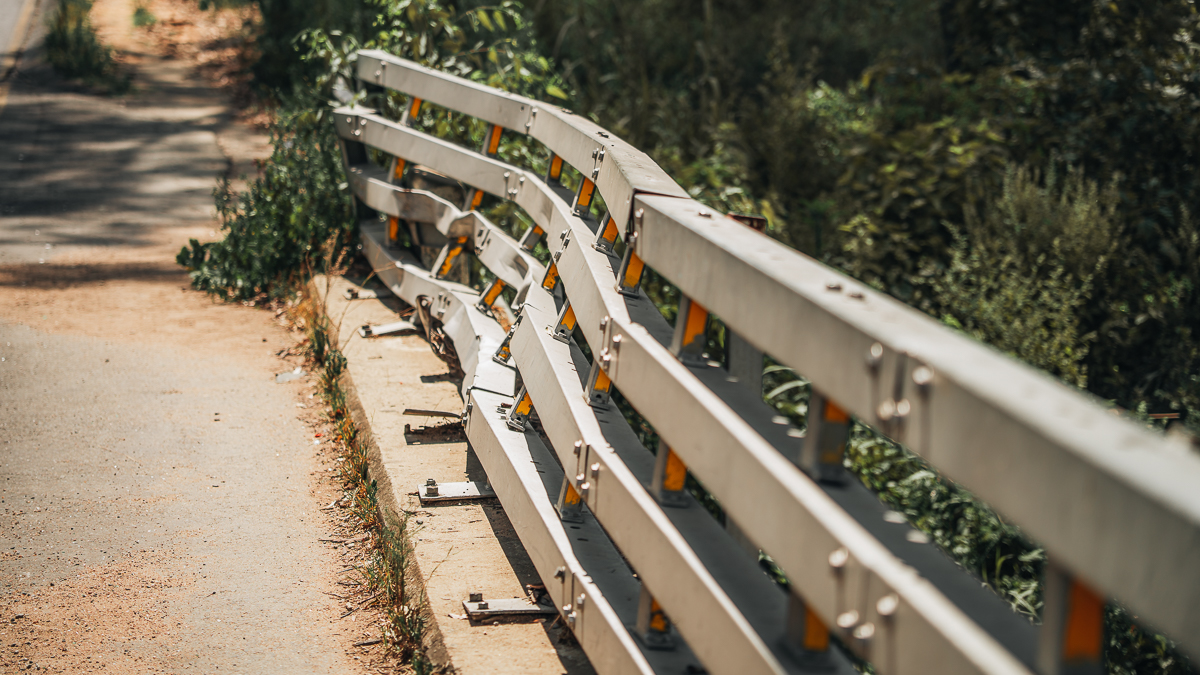
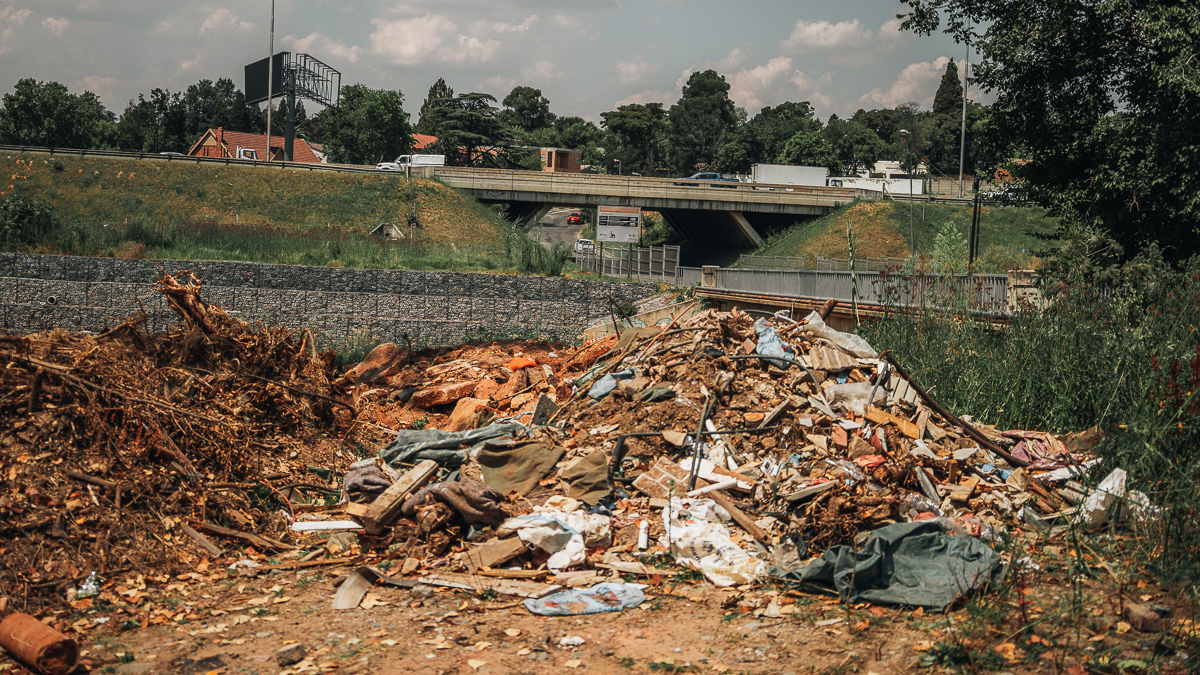
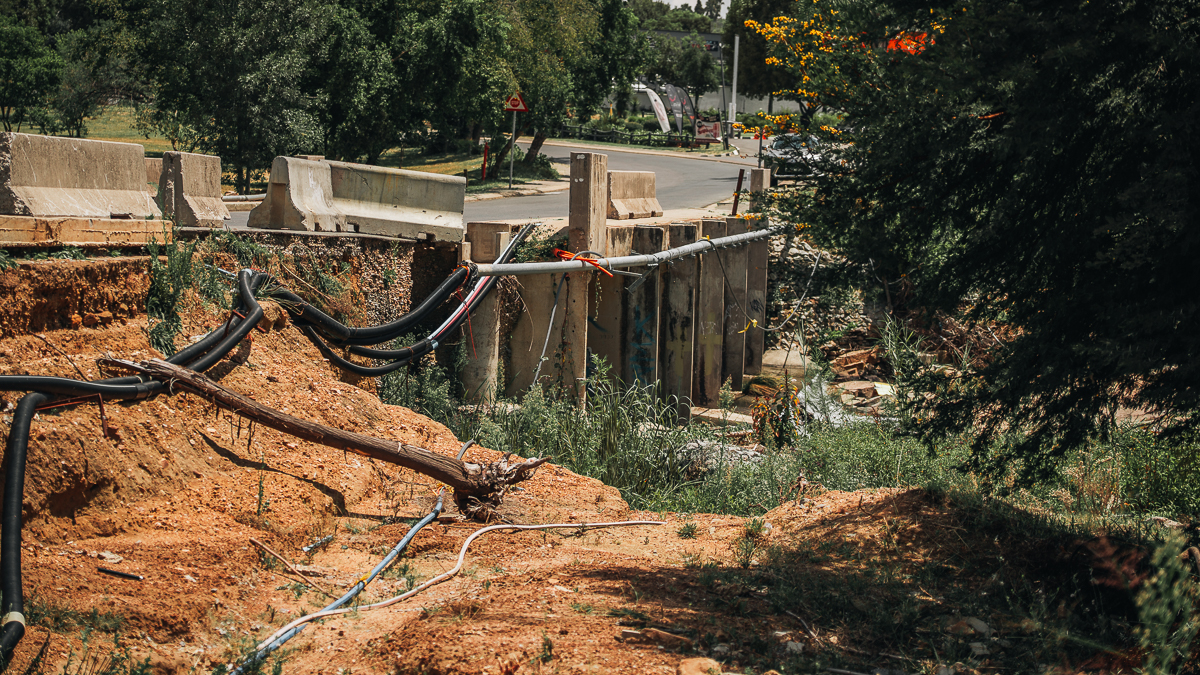
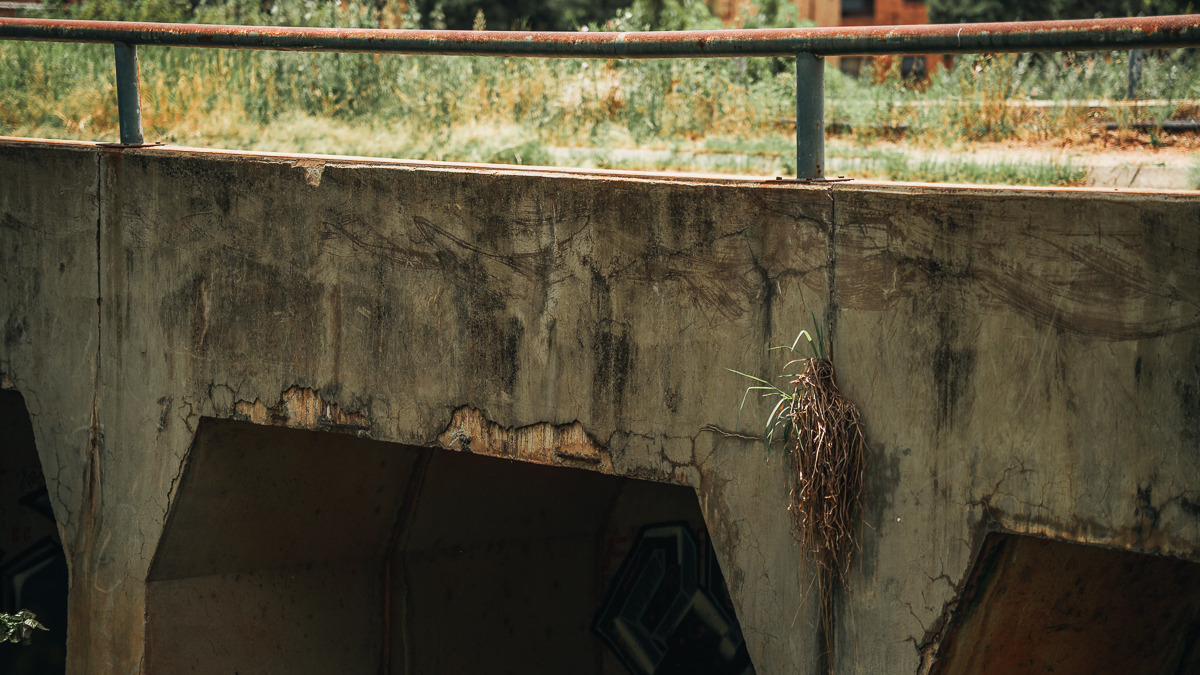
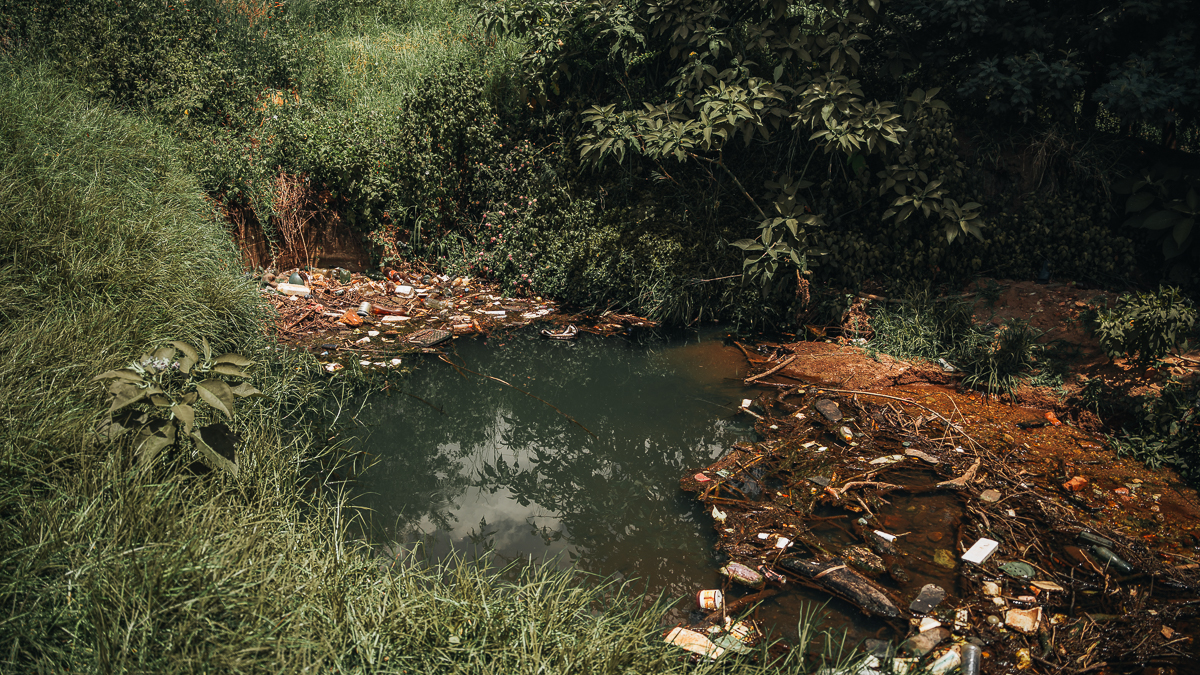
In February 2026, BusinessTech visited many bridges in and around Johannesburg and found that not much had changed.
The problems which the experts and the Johannesburg Roads Agency are still there, without any signs of intervention.
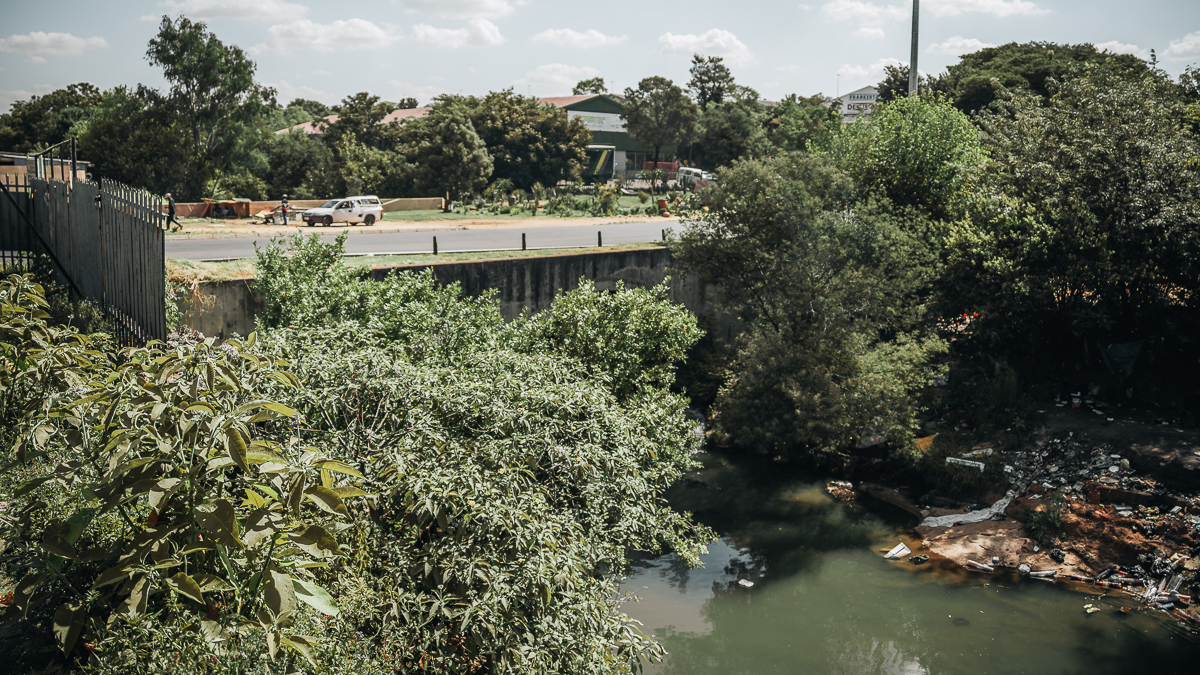
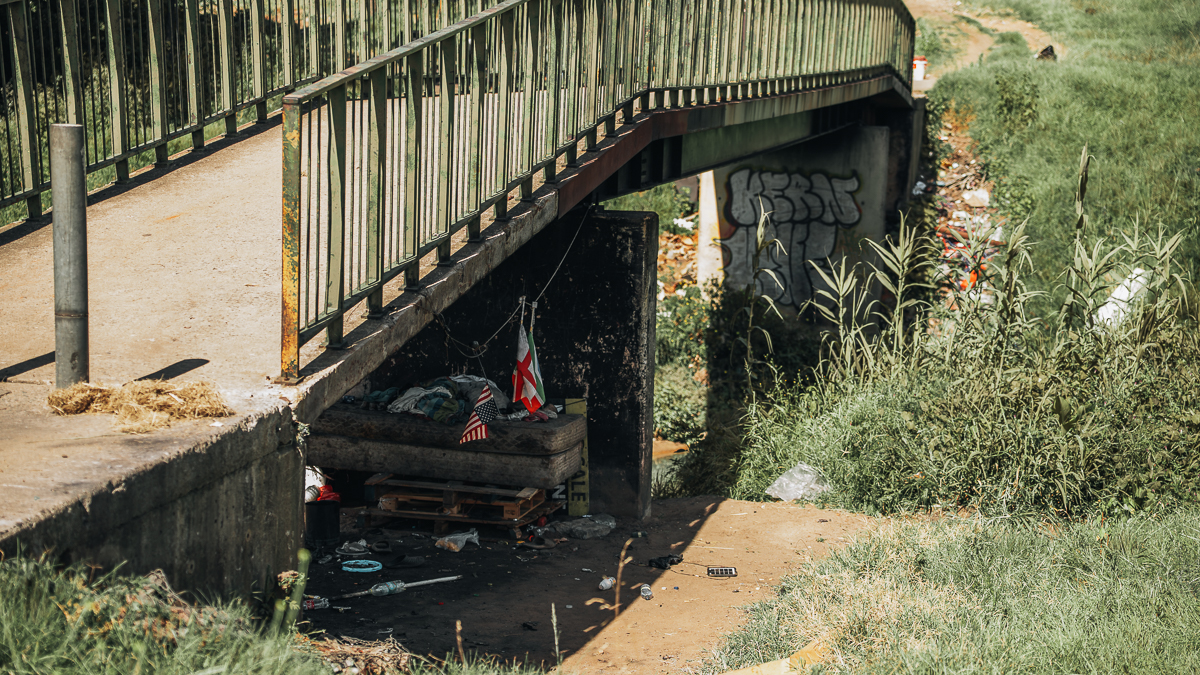
The photos below come from BusinessTech’s trip to Johannesburg and the bridges it visited in and around the city.










 Loading ...