

Important businesses in South Africa heading for disaster


Farmers and the road freight industry are ringing the alarm bells over the rocketing price of diesel, coupled with the limited supply in some areas as a result.
Gavin Kelly, CEO of the Road Freight Association (RFA), noted that the road freight industry was hit with an immediate increase of 32.5% in the cost of diesel at the beginning of April.
Diesel is one of the largest expenses for transport operators, making up between 35% and 55% of total operating costs depending on the type of vehicle and routes used.
As a result, a sudden increase has a direct impact on margins. The price hike is placing a strain on cash flow. Transport companies typically pay for fuel upfront, while payments from clients can take weeks or months.
This creates a funding gap that businesses must manage through reserves or credit. Kelly said access to working capital has become a key concern, particularly for smaller operators.
Companies without sufficient financial buffers are more vulnerable to cost increases. Some may need to reduce operations if expenses cannot be recovered through higher tariffs.
Kelly noted that even larger operators are also reviewing their cost structures and looking to limit spending where possible.
Further diesel price increases are expected in the coming months. Forecasts from the Central Energy Fund indicate that diesel prices could rise by around R10 per litre in May.
This would add additional pressure on transporters, particularly if temporary government relief measures, such as the R3 fuel levy adjustment, are not extended.
Kelly said that could spell the end for some of the 2,500 companies represented in the Road Freight Association in South Africa.
He added that whatever is coming will likely be catastrophic and noted that some businesses will likely close within a week or two following the increase.
Another important industry is feeling the pain
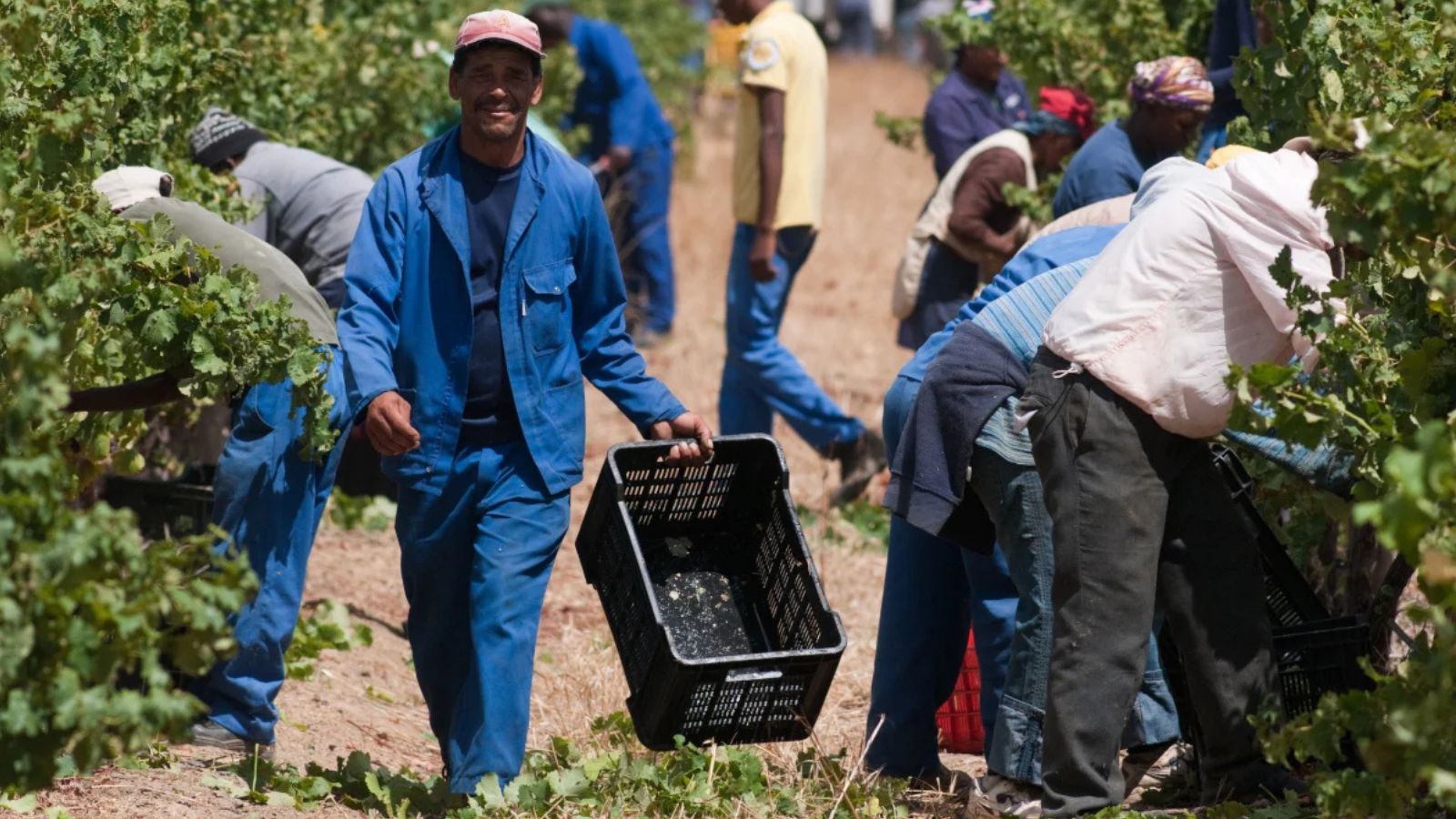
Farmers are also under severe pressure. The Minister of Mineral and Petroleum Resources, Gwede Mantashe, assured the country that supply is not an issue at the moment.
Mantashe said there was no overall shortage of fuel in South Africa, and that he does not expect one.
However, reports from across the country suggested that many filling stations and wholesalers were struggling to source diesel.
The Fuel Retailers Association (FRA) confirmed isolated supply issues, largely due to delays in distribution rather than a national shortage.
Despite this, agricultural groups report that access to diesel remains inconsistent. Agri Western Cape CEO Jannie Strydom said feedback from farmers indicated supply is a big issue.
The feedback noted that many are struggling to secure a sufficient supply. In some instances, farmers are receiving only a portion of their usual diesel allocations.
Agri Western Cape chairperson Laubscher Coetzee told the George Herald that the timing is significant, as fuel demand is typically higher during planting and harvesting periods.
Agri Western Cape chairperson Laubscher Coetzee said some farmers are trying to purchase additional diesel ahead of expected price increases, which may be contributing to supply pressures in certain areas.
Fuel is a key input cost in agriculture, accounting for roughly 12% to 18% of total expenses, which could have a broader economic impact.
The agricultural sector supports an estimated 920,000 to 935,000 direct jobs in South Africa and contributes around 2% to 3% of GDP.
Farming also contributes to the agro-processing sector, which adds a further 5% to GDP and employs about 3% of the workforce.














 Loading ...