

Petrol price joy finally coming for South Africa


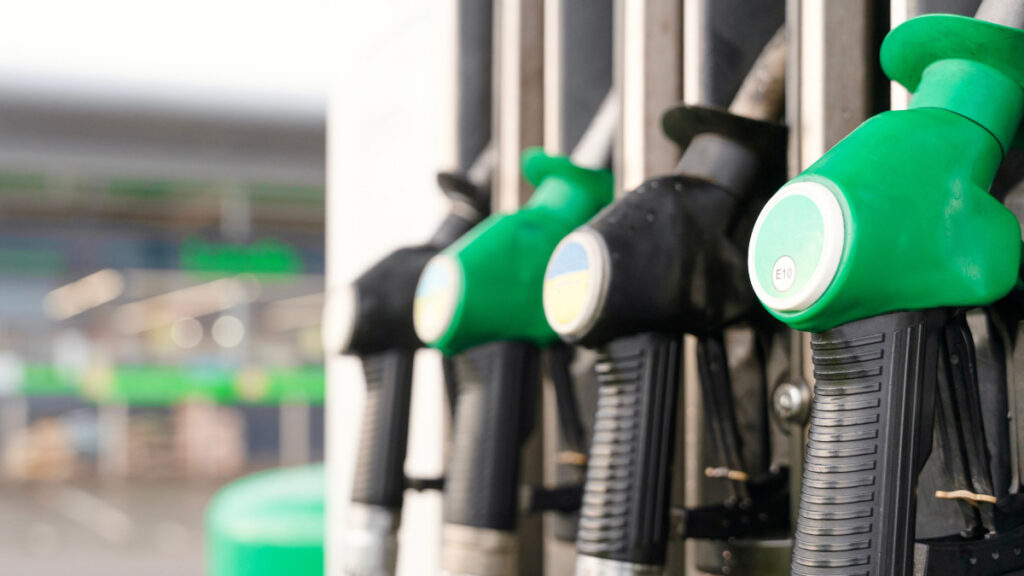
After four months of consecutive hikes, petrol prices in South Africa are finally showing a solid over-recovery—even with government relief coming to an end in July.
Early data from the Central Energy Fund (CEF) shows strong over-recoveries for both petrol and diesel prices at the start of June.
Petrol prices are starting the month with an over-recovery between 268 cents and 271 cents per litre, while diesel is starting with an over-recovery of between 573 cents and 584 cents per litre.
At current levels, these recoveries are more than enough to absorb the final round of fuel levies being added back into prices from July and still be in the black.
These are the recoveries at the start of the month:
- Petrol 93: decrease of R2.68 per litre
- Petrol 95: decrease of R2.71 per litre
- Diesel 0.05% (wholesale): decrease of R5.73 per litre
- Diesel 0.005% (wholesale): decrease of R5.84 per litre
- Illuminating paraffin: decrease of R6.76 per litre
The CEF does not provide daily snapshot data for LP Gas, so it is not currently possible to provide an expected price for the coming month.
The recoveries so far in June reflect a continued swing in global oil markets, which started filtering through in the latter parts of May.
Notably, both petrol and diesel recoveries in May ended in the positive, reflecting the more positive sentiment and hopes for a more permanent truce between the United States and Iran.
However, while both fuel types were in over-recoveries, only diesel saw a cut in prices at the pumps as the first round of fuel levies added back completely reversed the gains for petrol.
The National Treasury added R1.50 to petrol prices and R1.97 to diesel prices in June—half of the relief offered when R3.00 and R3.93 per litre were pulled from the levy in April and May.
For July, the remaining levies of R1.50 and R1.96 will be added back to petrol and diesel, respectively.
It must be noted that it is still too early in the month to make any certain projections for where fuel prices will land, but as a starting point, things are looking good for motorists.
The table below outlines how the June fuel prices could be impacted.
| July projections | Recoveries Week 1 | Fuel tax added in June | Projected change |
|---|---|---|---|
| Petrol 93 | R2.68 | (R1.50) | R1.18 |
| Petrol 95 | R2.71 | (R1.50) | R1.21 |
| Diesel 0.05% | R5.73 | (R1.96) | R3.77 |
| Diesel 0.005% | R5.84 | (R1.96) | R3.88 |
Note: the above only considers the fuel levy being added back in July, as well as the current recovery data. It does not consider changes to the slate levy, which may also affect final pricing.
Oil prices and the rand starting on the front foot

While still in the early days, June is starting out on the front foot in local markets, with both the global oil price and the rand/dollar exchange rate benefiting fuel recoveries.
After seeing the biggest weekly drop in months last week, oil prices have sustained below $100 a barrel, and now even below $95 a barrel.
Oil prices have steadied as optimism over US-Iran peace talks countered uncertainty surrounding a ceasefire deal between Israel and Lebanon.
US President Donald Trump said that talks with Iran were going well, despite Tehran-backed Hezbollah rejecting a US-brokered ceasefire deal between Israel and Lebanon.
While sentiment is hopeful, market analysts stress that prices are riding on exactly that—sentiment—warning that markets remain volatile and subject to shifts.
“The mixed messaging on peace talks is not really bearish for oil yet. It probably just stops prices from running too far on the upside,” said Charu Chanana, chief investment strategist at Saxo Markets.
“Traders can take out a bit of the war premium when headlines sound constructive, but until there is real progress on the ground, it is hard to say the risk premium is gone.”
The rand, meanwhile, has maintained its resilience amid the market chaos.
According to Investec Chief Economist Annabel Bishop, the oil shortages caused by the Iran War provided a small boost to South Africa, as they increased demand for coal.
South Africa, as a net coal exporter, saw coal prices hit multi-year highs, while improved logistics and port efficiency increased exports.
However, as a net importer of fuel, the country remains heavily exposed to the broader spike in global energy prices.
Because of this, the rand remains above R16/$—weaker than the start of the year and before the Iran War—but it has kept below R16.50/$ and far from the R17/$ levels seen at the onset of the war.
On Friday, the local unit was trading flat at R16.29/$, little changed from the previous close.















 Loading ...