

End of an era for 138-year-old business icon in South Africa


The Johannesburg Stock Exchange (JSE) is embarking on a new era, announcing several key changes as part of its Forge31 initiative.
Among its plans to make key changes to its operations is the replacement of its current Stock Exchange News Service (SENS).
The group said that revamping this service would be useful to “enhance the issuer and investor experience”, with many traders currently reliant on the platform for updates.
The exchange also plans to implement a Bond Central Counterparty (CCP) to support the development and resilience of South Africa’s markets.
The JSE was established in 1887 during South Africa’s first gold rush to help finance gold mining.
The bourse is now the largest in Africa and is home to several of South Africa’s largest companies, including Naspers, Capitec, Harmony Gold and many more.
However, it has faced challenges as companies increasingly opt for private ownership and others avoid listing due to the associated costs.
In the 1990s, the JSE had over 850 listed companies, which dropped to about 400 by 2012 and now stands at fewer than 300.
This prompted a strategy shift in 2023 under its Simplification Project and Vision 2026, which is now developing into its next five-year phase: FORGE 2031.
In the JSE’s interim financial results, the bourse reported a 14.6% increase in operating income to R2 billion in the first half of the year.
33.6% of this R2 billion came from non-trading income, which the exchange attributed to fast trading growth, rather than a weakening of the non-trading base.
The JSE’s revenue totalled R1.88 billion for the interim period, an increase of 14.1% to R1.65 billion in the same period in 2025.
The exchange’s capital markets generated approximately R719 million in revenue, with the primary market and equity trading contributing the most.
JSE Investor Services saw R102 million in revenue, while post-trade services contributed R620 million to its earnings.
The bourse said that operational efficiency was a major factor in its success in the first half of the year, with sustained market availability of 99.99%.
The exchange saw no market outages in the interim period, which it said represents the “operational resilience on which the market depends.”
It saw Earnings Before Interest and Taxes (EBIT) of approximately R774 million, a 21% year-on-year increase.
Headline earnings per share are R8.16 for the bourse, and it saw a 300% increase in capital expenditure, reaching R110 million.
This massive increase in expenditure was largely due to the JSE’s current redesign efforts, including R44.5 million in once-off costs.
The future for the JSE
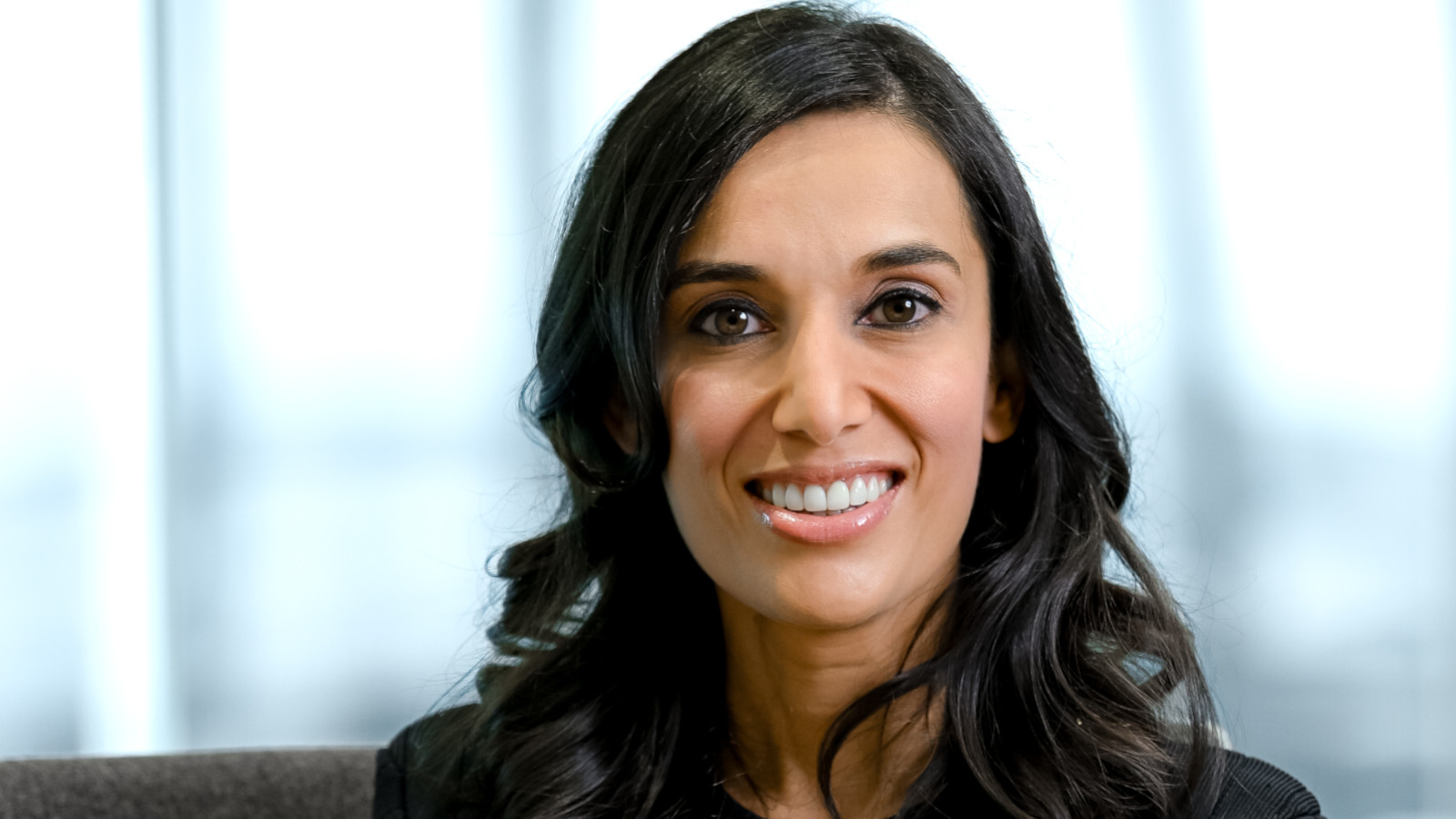
JSE CEO Valdene Reddy said the bourse had delivered a good performance in the first six months of 2026, noting its considerable growth.
“Growth was broad-based, supported by strong activity across our markets, disciplined cost management and continued contribution from our diversified revenue streams,” she said.
“Our operational performance remained strong, with 99.99% market availability and zero market outages.”
“Together with a robust balance sheet and strong cash generation, this provides a solid foundation for FORGE 2031, our strategy to strengthen the competitiveness, growth and long-term relevance of the JSE.”
For the future, Reddy emphasised the exchange’s continued efforts to redesign South Africa’s markets to ensure the country’s resilience.
“We remain focused on executing against our strategic priorities, investing selectively in future growth opportunities and delivering sustainable value for shareholders,” she said.
The bourse said that it is entering the second half of the year in a strong position, thanks to the resilience of its core markets.
It said that safeguarding market integrity and operational efficiency would be essential parts of its plans for the rest of the year.
The bourse said its Forge31 plans would give it a strategic framework to both strengthen its foundations and pursue new opportunities.
For the full 2026 year, the exchange said it had revised some of its targets, including OPEX guidance to 6%-8%.
It said its forecasts for capital expenditure over the full year remained unchanged at R190 million to R230 million.
“Full-year cost growth remains dependent on market activity levels, including average daily value traded,” the bourse said.
“Excluding these non-recurring costs, the underlying cost trajectory remains well controlled, and we expect OPEX growth to normalise in 2027 as the benefits of the organisational redesign are realised and once-off implementation costs fall away.”












 Loading ...